












Metals, materials to keep in use!
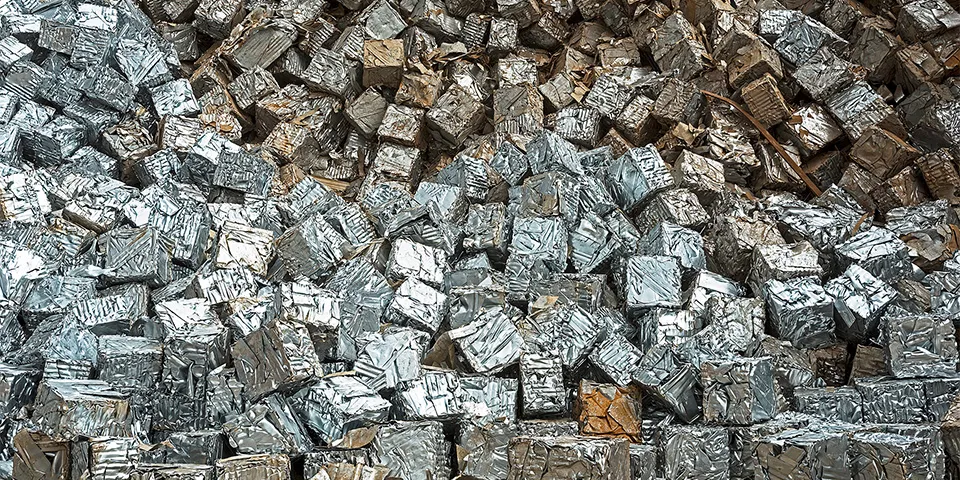
On 5 December 2019, the federation presented, among other things, the challenges facing metal recycling to Minister Marghem’s cabinet and the Federal Public Service for the Environment. As part of its ecodesign study, the federation identified no fewer than nine obstacles faced by sorting and recycling companies in Belgium.
Scrap metal collection in Belgium fell from 2.4 to 1.6 million tonnes/year between 2008 and 2014. The Belgian steel industry consumes around 2.5 million tonnes of scrap metal, a large proportion of which is purchased from scrap dealers, with the rest coming from internal waste. Belgium is therefore a net importer of scrap metal. These figures make clear the importance of achieving the highest possible recovery and recycling rates.
The life cycle of metals
At the manufacturing stage, a metal product can be made up of various materials. Design choices affect the entire life cycle of metals: from the extraction of raw materials through manufacturing and use to recycling. At the end of a product’s life, recycling makes it possible to recover the metals separately, but in some cases this proves impossible.
Obstacles to recycling and safety
The ecodesign study identified nine obstacles that cause problems for sorting and recycling companies. The recommendations drawn up encourage the design of products that are easy to recycle. Some obstacles, however, cause problems not only during the recycling stage, but also pose a real danger to operators. One example is the electric scooter fitted with a lithium battery, which has already caused fires in the scrap metal sector. The federation is preparing a proposal for the federal legislature to introduce a mechanism to protect the sector against this type of accident.
Question about this story? Ask your question
Keep following this
Get an email when a new story is published. No account needed.
- ThemeRecovering metals and creating value
- SubjectDenuo







