












Making gas more expensive works, greening it (for now) does not
Flanders misses opportunities in updated energy and climate plan
Denuo, the federation of the Belgian waste and recycling sector, welcomes some important choices in the update of the Flemish Energy and Climate Plan (VEKP), but at the same time lacks the courage to go further on crucial points.
Waste levy reform could make recycling more competitive
Denuo welcomes the planned reform of the waste levy as a step in the right direction. A transparent system with a small number of basic rates that rise gradually could finally bring about the necessary shift, making recycling structurally cheaper than incineration or landfill. It is positive that this principle has been included in the updated Flemish Energy and Climate Plan (VEKP), although the plan as a whole will deliver only 0.07 megatonnes of CO₂ reductions. It is important, however, that the price differences remain predictable and effective, and are not lost in administrative complexity.
Denuo also advocates returning the revenue from these levies to the waste and recycling sector. “These funds could be used to invest in facilities that recover energy, materials and CO₂ ever more efficiently,” says Aarnout Ecker, Managing Director of Denuo.
CO₂ recovery at waste incineration plants
Denuo sees the plan to investigate CO₂ recovery (Carbon Capture and Storage, CCS) in collaboration with the operators of the largest waste incineration plants in Flanders as a clear and necessary step. Even in a circular economy, there will still be waste streams that cannot be recycled or reused. Incineration plants are essential for dealing with this residual waste. “CCS will allow these plants to continue playing their role, but without a climate impact,” Ecker adds. “This means the sector will remain an essential filter for our society, while also taking an important step towards climate neutrality.”
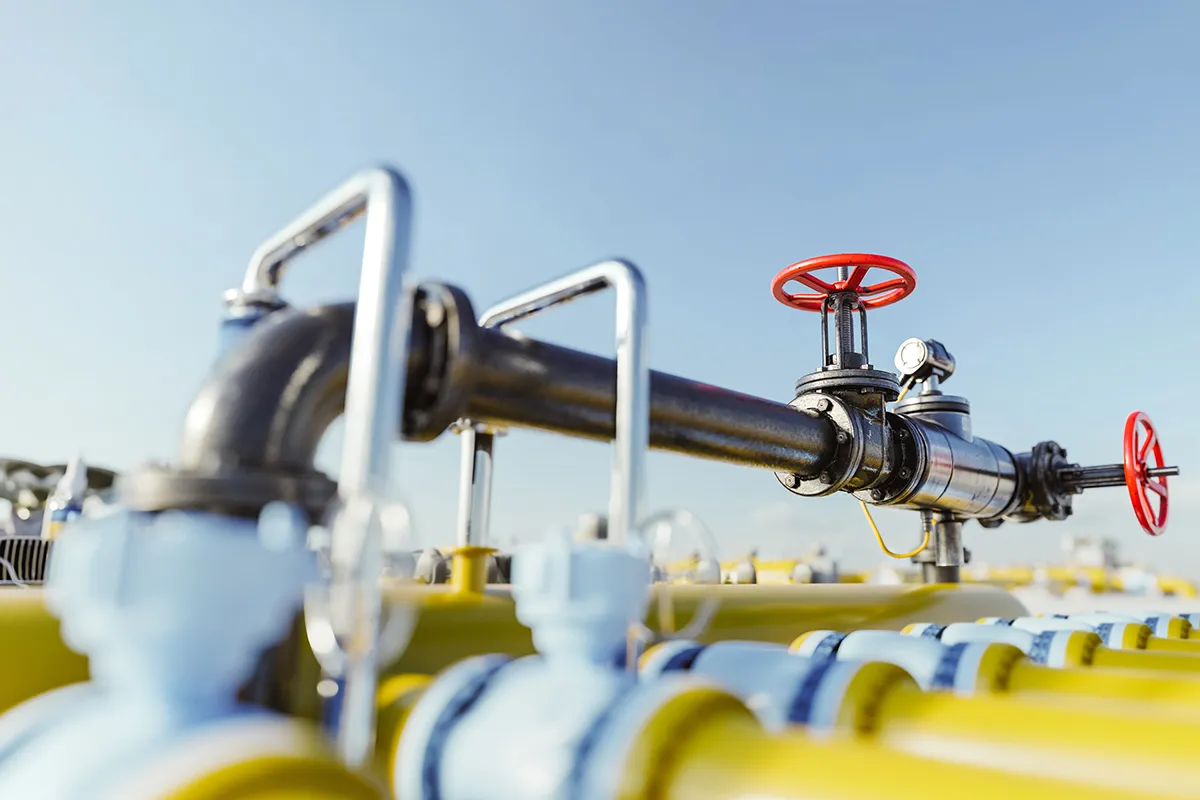
Fossil gas remains king in the Flemish gas network
What is missing from the new climate plan is a mandatory share of green gas in the existing gas network, as Denuo has previously proposed. According to the federation’s own analysis, replacing 1% of natural gas with biomethane would cost just €5 per Flemish household per year, or increase energy bills by 0.05%. This additional cost is negligible compared with the impact of the ETS2 system, which is expected to increase natural gas bills by 30 to 50%.
“The Flemish government has shown courage by using a tax shift to make fossil gas more expensive, but so far it has not managed to green the gas supply,” says Ecker. “While our neighbouring countries are making full use of biomethane, Flanders is missing a clear opportunity here.”
Question about this story? Ask your question
Keep following this
Get an email when a new story is published. No account needed.
- SubjectDenuo







