












Is 'waste' the key to Europe's climate ambitions?
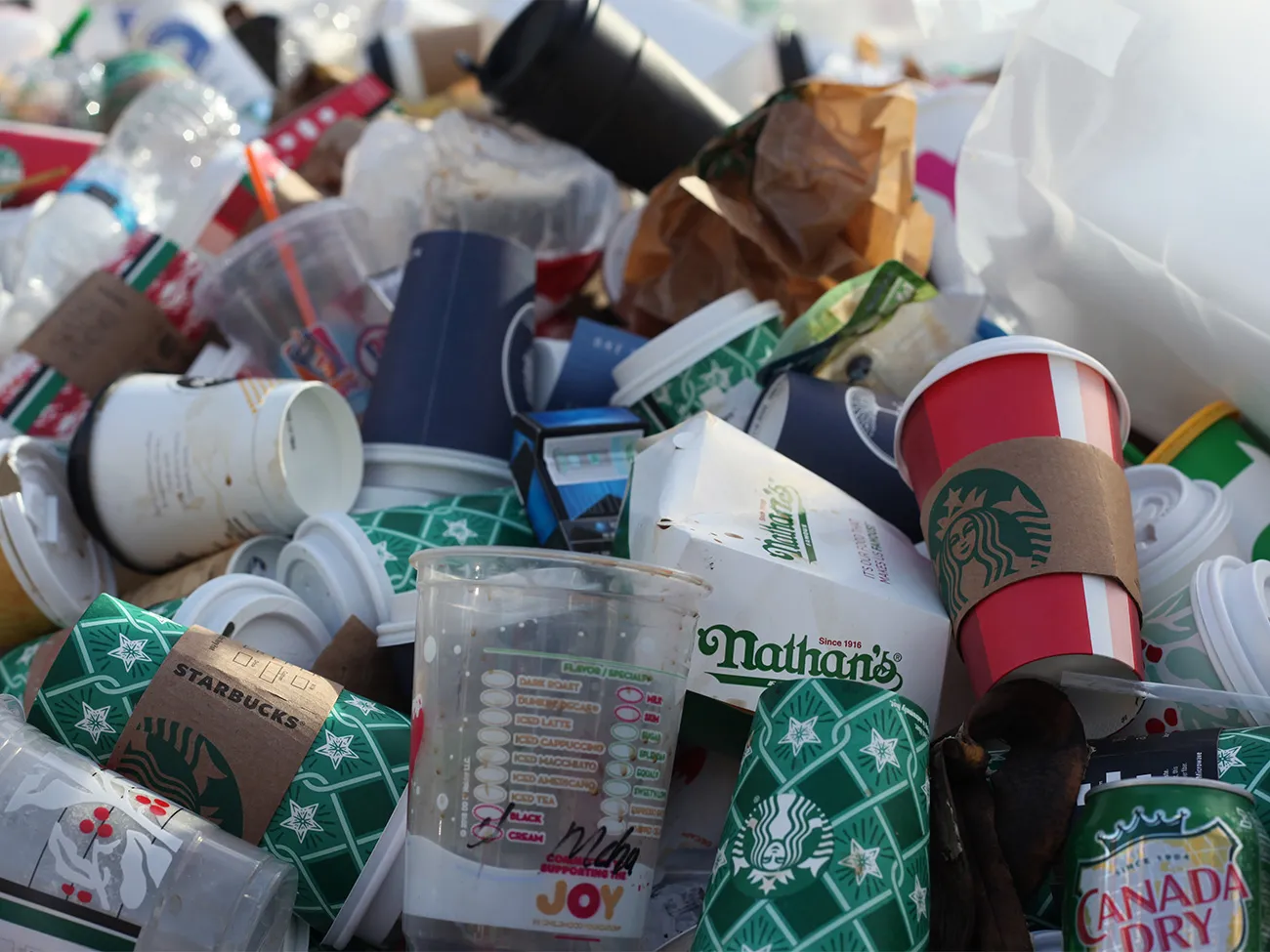
If Europe achieves its target of 65% recycling and a maximum of 10% of waste going to landfill, annual CO2 emissions will fall by 150 million tonnes compared with 2018. This is shown by a study by, among others, the European waste federation FEAD and the consultancies CE Delft and Prognos.
European recycling targets would cut CO2 emissions by 150 million tonnes
Europe has set itself the ambition of recycling at least 65% of municipal waste by 2035 and sending a maximum of 10% to landfill. If the United Kingdom and the European member states reach this target, annual CO2 emissions would fall by 150 million tonnes, which is more than the emissions of a country such as the Netherlands (138 million tonnes in 2020, Globalcarbonatlas.org). This is shown by a study by several European federations and the consultancies CE Delft and Prognos. As a member of FEAD, the European waste management federation, Denuo contributed to the monitoring of this study.
These CO2 savings are the result of more intensive recycling and the (re)use of the recovered raw materials. This is because it makes us less dependent on the extraction, transport, processing and use of primary raw materials (responsible for 62% of global CO2 emissions). In addition, CO2 is saved through the recovery of energy from non-recyclable material in waste-to-energy plants and through the production of fuels from waste. Taking all this into account, the European waste sector would make an enormous contribution to Europe's climate ambitions, even without the potential for further reductions through, for example, multimodal transport, carbon-neutral energy and greener mobility within the sector.
To realise this CO2 reduction potential, efforts will be needed across Europe to further stimulate recycling capacity, including government support for more systems that enable the separate collection of more waste streams. Companies must also focus more on the ecodesign and recyclability of the products they place on the market. Governments can also play their part by introducing new measures, such as requiring a minimum content of recycled materials in new products.
Question about this story? Ask your question
Keep following this
Get an email when a new story is published. No account needed.
- SubjectDenuo







