












How can we recycle even more used mattresses in Belgium?
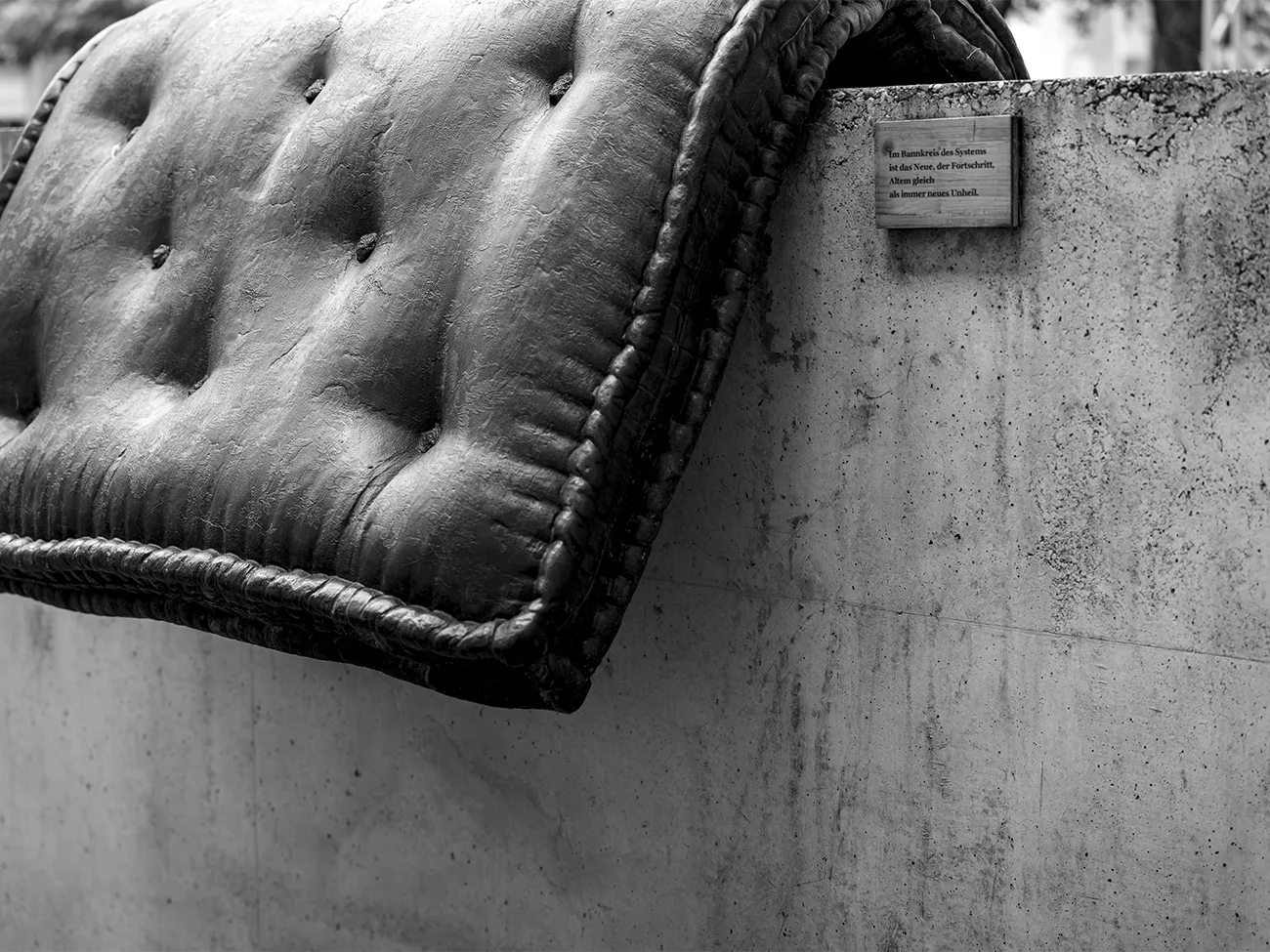
Around 900,000 mattresses are placed on the market in Belgium each year. With an average weight of 15 kg per mattress, this amounts to 13,511 tonnes of material that could be recovered. All of this material ended up in incinerators via bulky waste collections, and was therefore lost. That changed at the start of this year.
Since 1 January 2021, used mattresses have been subject to a take-back obligation in Flanders, known as extended producer responsibility (EPR). This obligation will come into force in Wallonia and Brussels on 1 January 2023. Recycling centres have two years to evaluate this separate collection scheme and adapt their infrastructure accordingly.
Take-back obligation for used mattresses
The take-back obligation for used mattresses is managed by the producer responsibility organisation Valumat. It ensures that mattresses from the commercial sector are collected by a private collector recognised by Valumat. Mattresses for household use are collected separately through recycling centres or, on a voluntary basis, by retailers.
The separately collected mattresses are then sent to a dismantling centre, where the different recyclable materials (textiles, foam, springs, etc.) are separated. There is only one such dismantling company in Belgium, located at SUEZ’s site in Sombreffe. The site has been processing used mattresses since 2015, but with the introduction of mandatory separate mattress collection, the company now hopes to expand its operations further.
Mattress reuse
The take-back obligation for used mattresses focuses on separate collection for high-quality recycling. But under the Lansink Ladder, the reuse of used mattresses must also be regulated and given a place in the market. To establish the right framework, discussions have been under way for several months between Denuo, the regional authorities and reuse federations Herwin in Flanders and Ressources in Wallonia.
According to Denuo, reuse certainly has a place in a circular economy. However, it is difficult to establish objective criteria for mattress hygiene and comfort. Before a used mattress can be put back on the market, it must first undergo a sanitisation process. Comfort is another consideration. It is difficult to estimate how many years a mattress can still be reused for.
Denuo has therefore proposed limiting mattress reuse to so-called ‘pre-consumer’ mattresses, such as mattresses from showrooms, returned mattresses and mattresses with defects that were therefore not sold. In these cases, reuse can be prioritised because their hygiene and comfort have not been compromised by extensive use.
Regulations on mattress exports
Finally, one of the biggest challenges for reuse is the unregulated parallel export of mattresses abroad. Many used mattresses end up on other continents, making their reuse impossible to trace. It is important for the authorities to strictly regulate mattresses intended for export in order to promote local reuse and recycling.
Question about this story? Ask your question
Keep following this
Get an email when a new story is published. No account needed.
- ThemeCircular business under changing regulations
- SubjectDenuo







