












Good results after 1 year of action on dioxins and PCBs
Text Denuo Beeld VMM
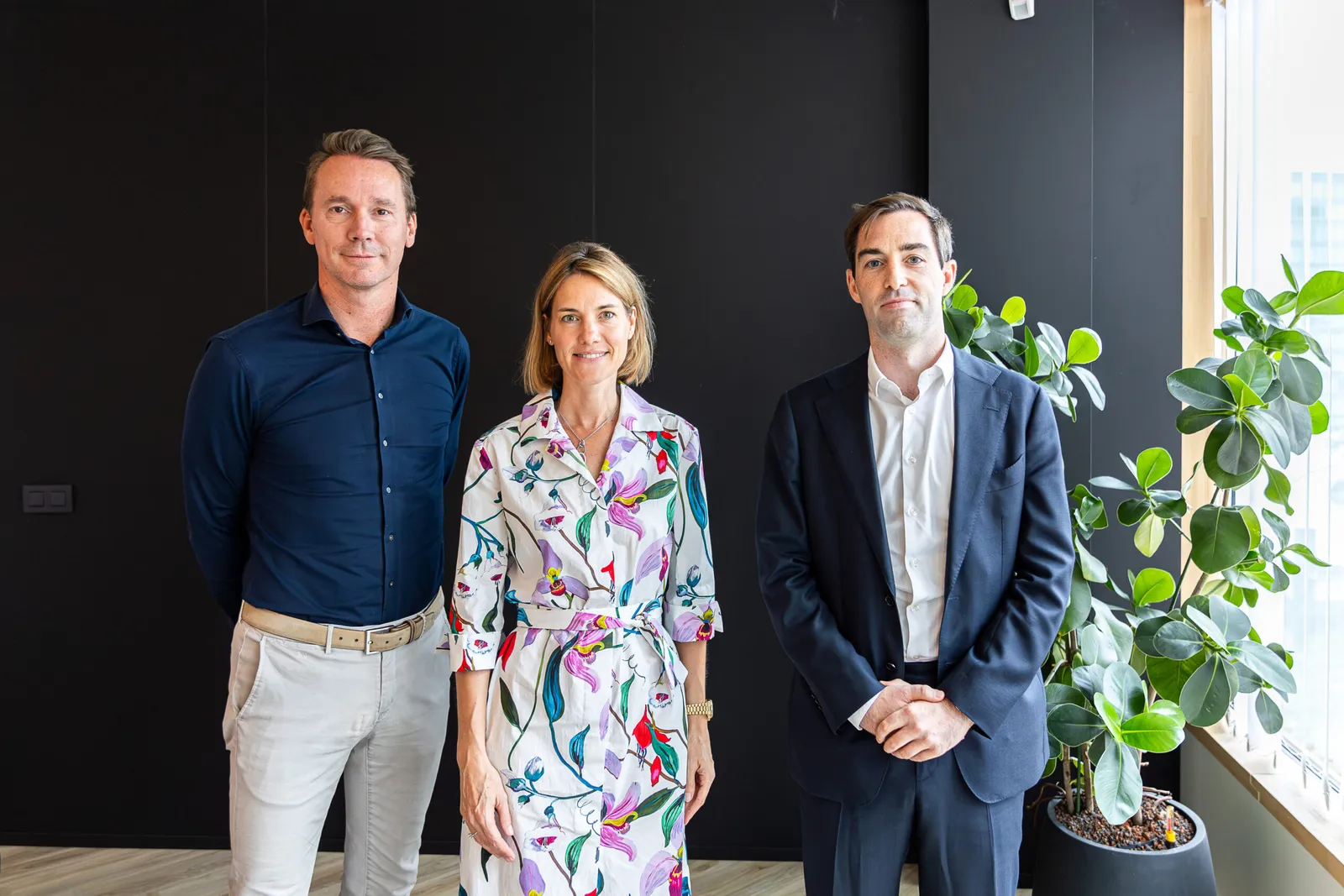
In 2023, the Flemish Government and scrap metal companies set targets and measures to limit emissions of dioxins and PCBs from metal recycling. Last year, the levels of dioxins and PCBs in deposited dust fell at all monitoring sites. Flemish Minister for the Environment Jo Brouns looks back on progress made with the sector.
Caroline Craenhals, CEO of Belgian Scrap Terminal: “We are time travellers. The metal waste we receive is often old and may have been produced anywhere in the world. Our shredding plants turn it into new raw material in just an hour. This also brings challenges. Harmful substances once used in production can be released again at the end of the chain, during shredding. The flow of metals is so complex and heterogeneous that we do not know in advance which substances are where.”
Aarnout Ecker, general manager of sector federation Denuo: “Finding a balance was important when drawing up the action plan. The companies involved are absolutely willing to take on their social responsibility and invest, but not at the expense of their existence. Our metal recycling companies are the best in Europe and key links in Flemish industry. They operate in a highly competitive international market. Limits on dioxins and PCBs must remain practically and economically feasible for our companies.”
Action plan: reducing harmful emissions from scrap metal companies
Every year, Belgian metal recycling companies process 3 million tonnes of metal waste, from end-of-life vehicles and electrical equipment to industrial metal scrap. The waste is sorted and shredded, then separated into new raw materials. Harmful substances such as PCBs and dioxins can be released during processing. They enter the air and settle back onto the ground or crops nearby. This is how they enter the natural environment and, through food, the human body. Under the action plan, the 11 largest Flemish shredding plants are committed to limiting emissions of PCBs and dioxins.
Standards: Together with the VMM, they set ambitious threshold values, with targets for 2030 and 2050;
Monitoring: The VMM measures the levels of dioxins and PCBs in deposited dust at and around the companies. The companies are responsible for monitoring and following up on the results;
Measures: The companies invest in technologies to reduce air pollution. The VMM supports them with innovation studies to identify the most effective emission control technologies.
Economically feasible threshold values
Jo Brouns, Flemish Minister for the Environment: “Through intensive consultation between the government and the sector, we managed to find that balance. The threshold values in the action plan will bring all Flemish scrap metal companies up to the level of our best-performing pupils. The targets are ambitious, economically feasible and scientifically substantiated by the VMM. This puts Flanders at the forefront of the European Union, because although there are strict European standards for food and water, none yet exist for air emissions. We cannot expect companies to drastically cut emissions overnight. The first milestone is 2030. The threshold values will then become more stringent, with the aim of reducing emissions to a minimum by 2050. The threshold values are not binding standards, but a pathway we are following together with the companies.”
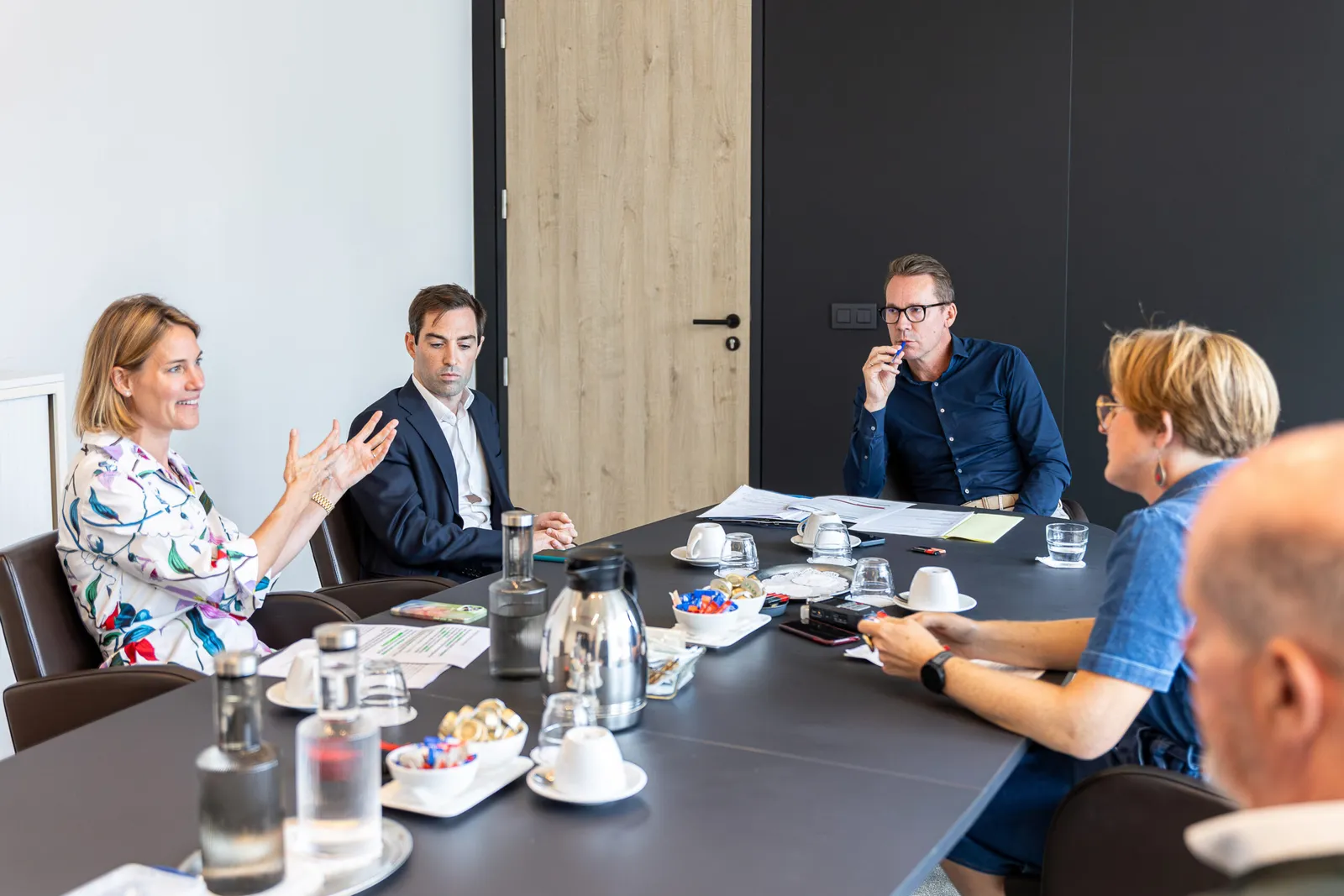
VMM monitoring, costs and follow-up by companies
Ecker: “That process actually begins with monitoring: how much PCBs and dioxins are present in dust deposited at and around metal recycling companies? Where and when do we see peaks? Legally, it was difficult for companies to carry out measurements off-site, for example in the surrounding residential areas. Under the agreement between Denuo and the Flemish Government, the VMM now carries out the monitoring independently. The companies cover all the costs and follow up on the measurements.”
Brouns: “In 2024, we saw a fall in the levels of dioxins and PCBs in deposited dust at all monitoring sites around the scrap metal companies. The largest drop was in Genk-Zuid. Nine of the 11 scrap metal companies are already below the annual threshold.”
Mutual trust between government and sector
Craenhals: “When the VMM publishes the monitoring results, it is always a tense moment. It is like a school report: even if you work incredibly hard, you only know for sure when you get your results. We are constantly looking for the best and most efficient emission control technologies. Water misting is one such technique: water droplets stop dust released during shredding from being blown away, making it settle immediately. But sometimes it does not work, and we have to make adjustments. It is a process of trial and error, with ongoing investment.”
Brouns: “At such times, the VMM acts not only as a regulator, but also as a discussion and innovation partner. When monitoring results are elevated, we work with the companies to find the best approach. A great deal of work is also under way on BAT studies, which look at the best available techniques. This allows us to ask the scrap metal companies to take more targeted action and provide them with better support. This action plan is built on mutual trust and a focus on solutions. It is an intensive process, but this approach pays off.”
Clear communication with the local authority and residents
Brouns: “Our colleagues at the Department of Care also play an important role. Based on the VMM’s monitoring results, they assess whether exposure to the substances could pose a health risk to local residents. If the threshold values are exceeded, they inform the local authorities and may issue advice for residents. Clear and honest communication also builds trust.”
Question about this story? Ask your question
Keep following this
Get an email when a new story is published. No account needed.
- ThemeRecovering metals and creating value
- SubjectDenuo







