












From design to eco-design
In our ongoing search for a sustainable future, it is crucial that we rethink our approach to product design. We must strive for eco-design, where the reuse and recycling of materials are considered from the outset. This article looks at the challenges and practical proposals for promoting eco-design.
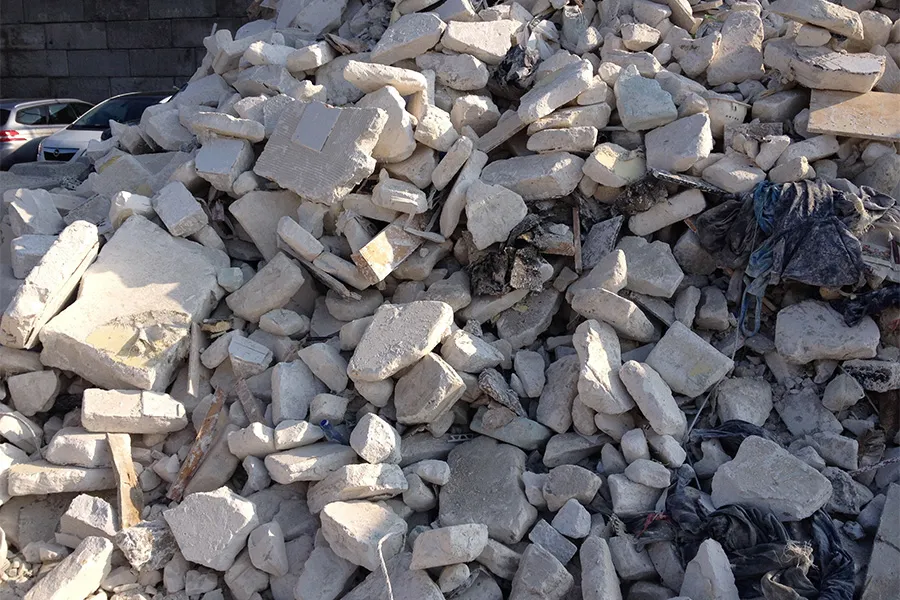
One of the main challenges we face is that products are often not designed to be easily dismantled, recycled and reused. This must change, because if we do not consider what happens at the end of a product’s life, we end up with huge quantities of waste. A stark example is the construction sector, where output fell by 7.6% while the amount of construction waste rose by 6%.
Practical solutions
To promote eco-design and give materials a second life, we propose the following practical measures:
1. Regulations on recycling and reuse. Let us develop regulations at every level of government to facilitate the recycling and reuse of modern technologies, such as solar panels, wind turbines and lithium-ion batteries. This can be done through the Ecodesign for Sustainable Products Regulation (ESPR) and specific regulations for products that are not covered by the ESPR. Belgium has the expertise to help shape these rules. In 2020, for example, our sector produced no fewer than eight reports on eco-design, setting out practical proposals for improvement.
2. Financial incentives for eco-design. Eco-design must be a fundamental part of eco-modulation. This could follow the example of Valipac, which awards a bonus for recycled material in business plastic packaging containing at least 30% recycled material.
3. An ambitious Green Claims Directive. This should put a stop to misleading environmental claims on the EU market. Ensure that sufficient resources are made available at federal level to implement the directive on time.
4. Co-operation between producers and waste companies. A better understanding of both worlds will help make the end of a product’s life more sustainable. Projects such as Plastic Matters, Circular Design in Plastics and the Green Deal Duurzame Zorg can serve as inspiration for similar initiatives in other sectors.
5. Research and development for the safe dismantling of complex batteries. Much more research is needed to make it possible to recycle new technologies. With the necessary financial support, Belgium can gain a head start in this area. One option would be a dedicated fund for research into the dismantling of lithium-ion batteries, in line with the new European Battery Regulation.
Question about this story? Ask your question
Keep following this
Get an email when a new story is published. No account needed.
- ThemeCircular business under changing regulations
- SubjectDenuo







