












Flanders misses opportunities in energy and climate plan update
At the beginning of July, the Flemish government launched an update of the Flemish Energy and Climate Plan (VEKP). Denuo welcomes several important choices in the revised plan, but says it lacks the courage to go further on crucial points.
Denuo welcomes the planned reform of the waste levy as a step in the right direction. A transparent system with a few basic rates that rise gradually could finally bring about the necessary shift, making recycling structurally cheaper than incineration or landfill. It is positive that this principle is included in the updated Flemish Energy and Climate Plan (VEKP), although the plan as a whole will deliver only 0.07 megatonnes of CO2 reductions. It is important, however, that the price differences remain predictable and effective, rather than being lost in administrative complexity. Denuo also calls for the revenue from these levies to be channelled back into the waste and recycling sector. “These funds could be used to invest in facilities that recover energy, materials and CO2 ever more efficiently,” says Aarnout Ecker, managing director of Denuo.
CO2 recovery at waste incineration plants
Denuo regards the plan to explore CO2 recovery (Carbon Capture and Storage, CCS) with the operators of the largest waste incineration plants in Flanders as a clear and necessary step. Even in a circular economy, there will still be waste streams that cannot be recycled or reused. Incineration plants are indispensable for dealing with this residual waste. “CCS will allow these plants to continue playing their role, but without a climate impact,” Ecker adds. “That means the sector can remain an essential filter for society while taking an important step towards climate neutrality.”
Fossil gas remains king in Flanders’ gas network
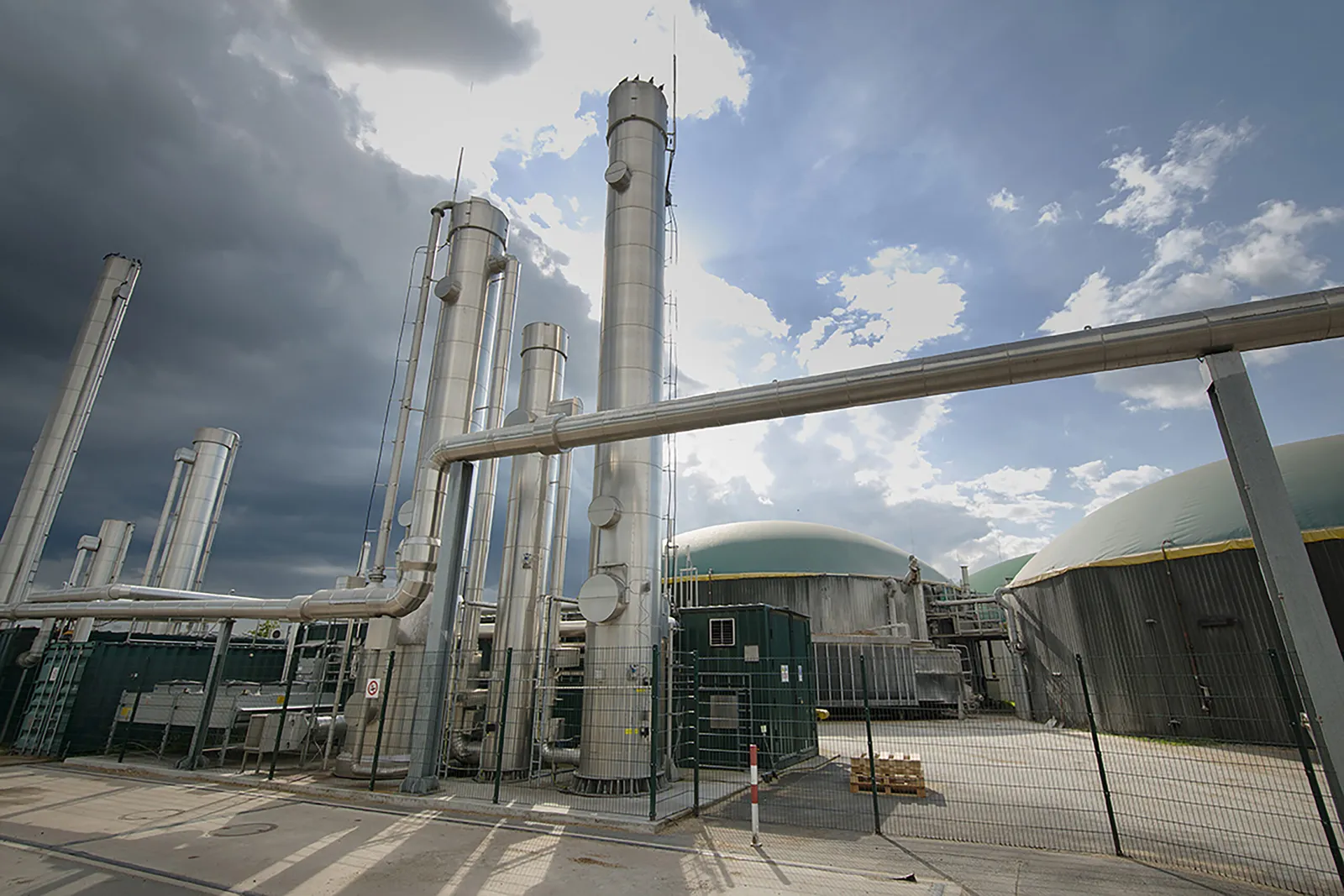
What the new climate plan fails to include is a mandatory share of green gas in the existing gas network, as Denuo previously proposed. Replacing 1% of natural gas with biomethane would cost just 5 euros per Flemish household per year, according to the federation’s own analysis, or increase energy bills by 0.05%. This additional cost is negligible compared with the impact of the ETS2 system, which is expected to raise natural gas bills by 30 to 50%. “The Flemish government is showing courage by using a tax shift to make fossil gas more expensive, but greening gas remains out of reach for now,” says Ecker. “While our neighbouring countries are investing heavily in biomethane, Flanders is missing a clear opportunity.”
Question about this story? Ask your question
Keep following this
Get an email when a new story is published. No account needed.
- SubjectDenuo







