












Exports under the WSR face tighter restrictions
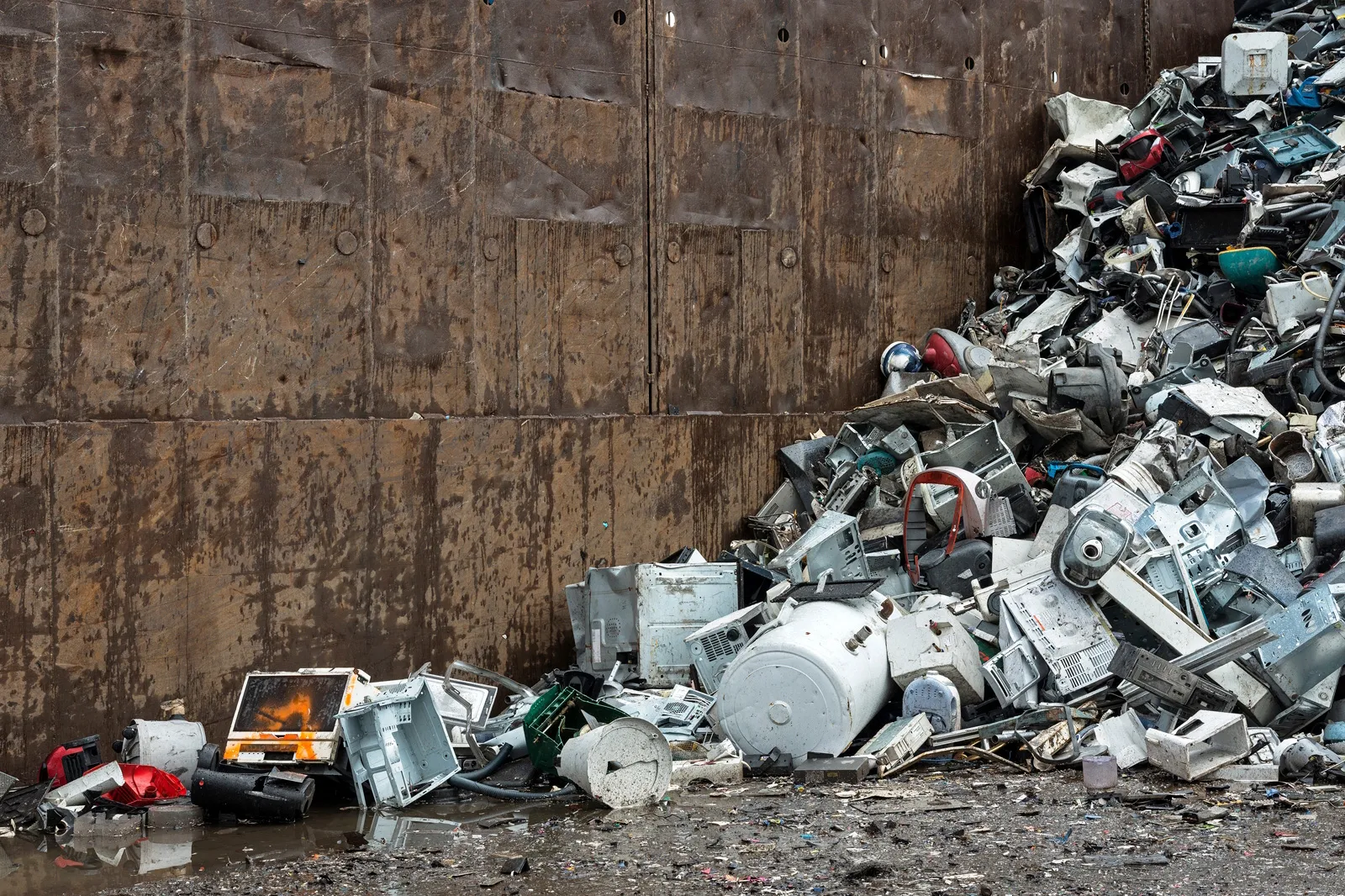
On 18 October 2024, the European Commission adopted two delegated acts to transpose the 2022 Basel amendments into European law. With no objections from the European Parliament or the Council by 18 December, the new provisions are now in force. Here are the key changes:
- Exports of hazardous and non-hazardous e-waste to non-OECD countries are prohibited;
- For OECD countries, prior notification and consent are required, regardless of the type of e-waste;
- Within the EU, the ‘green list procedure’ (under Article 18 of the WSR) will provisionally continue to apply to non-hazardous e-waste covered by codes GC010 and GC020. This transitional arrangement runs until the end of 2026.
Please note: the familiar codes B1110 (non-hazardous) and A1180 (hazardous) were deleted in 2025.
New WSR: additional requirements for exports to non-OECD countries from 2027
From 21 May 2027, an additional condition will apply to shipments of waste on the green list to non-OECD countries. Only countries that submitted a formal application to the European Commission by 21 February 2025 to receive specific waste types will remain eligible. In addition, treatment facilities in those countries must have been audited in advance. According to an initial analysis of the list of applicants, applications cover the main waste streams relevant to our sector: metals (B1010, B1020, B1050), paper (B3020), textiles (B3030), waste tyres (B3140) and rubber waste (B3040, B3080). It is not yet clear whether the European Commission will approve all these applications. The Commission's assessment is ongoing and is expected to take several months.
Classification guide supports correct application
To help businesses interpret the new rules on shipments of e-waste, the European federations FEAD, EuRIC and EERA are developing a joint guide. It clarifies the classification of e-waste, components and recycling fractions, and is a useful tool for everyone involved in imports or exports.
Denuo's position
All these changes require fundamental changes across the sector, at a time when economic challenges are putting pressure on the competitiveness of our businesses. The European recycling sector must be able to continue operating while also complying with environmental standards. Denuo is therefore calling for sufficient time to adapt, clear guidance and cooperation with third countries to keep exports of high-quality recycling streams viable. Through the European recycling federations EuRIC and FEAD, Denuo continues to actively advocate for maintaining export opportunities for essential streams.
Question about this story? Ask your question
Keep following this
Get an email when a new story is published. No account needed.
- ThemeCircular business under changing regulations
- SubjectDenuo







