












European steel and metals plan: focus on circularity, but not without risks
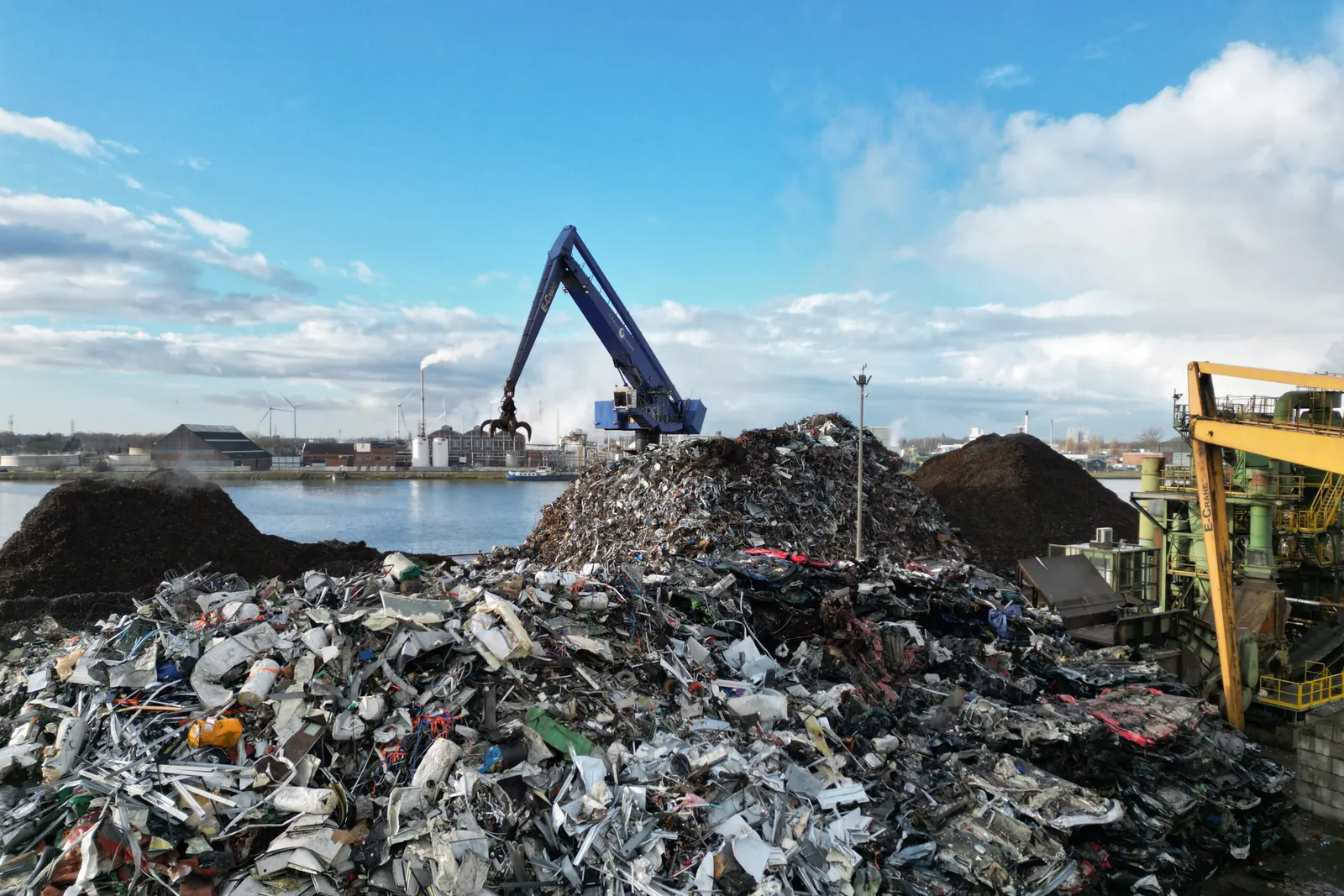
With its strategic plan for the European steel and metals industry, the European Commission aims to strengthen the sector and make it more sustainable. Circularity is finally getting the attention it deserves, but the action plan also raises questions about the effectiveness of certain proposed measures.
In the plan, the Commission promotes the use of recycled metals as a lever for more sustainable steel production. It is examining whether binding targets could be introduced for recycled steel and aluminium in vehicles and construction products. Proposals are also on the table to include the use of recycled metal in the Ecodesign Regulation (ESPR). The recycling sector is therefore recognised as an essential link in a future-proof steel industry. This is an important step forward.
Critical questions over export measures
However, the plan also contains elements that are cause for concern. The Commission is considering trade measures or export levies to ensure the availability of scrap within Europe. Denuo and EuRIC say that such restrictions are counterproductive: they discourage investment in recycling without genuinely advancing European steel production. Moreover, exports of recycled metals should be assessed not only in terms of quantity, but also by grade. There is certainly not enough demand within Europe today for every grade. This is why around 20% of European scrap is exported, mainly to countries such as Turkey and Egypt, where it is processed into useful construction materials.
Risk of market distortion
Export restrictions could discourage recycling companies from recovering more challenging fractions as well. The European Commission assumes that investment in better recycling will improve scrap quality. But without sufficient demand in the domestic market, such investment remains economically uncertain. The solution is therefore not to close borders, but to stimulate local markets. With clear ecodesign rules, a level playing field in the international market and support for energy-intensive recycling processes, Europe can make real progress towards a circular metals industry.
Call to policymakers
Denuo is calling on Belgian MEPs to take a constructive approach to the legislative process: yes to support for recycling, but only through well-considered measures that strengthen the market rather than disrupt it.
Question about this story? Ask your question
Keep following this
Get an email when a new story is published. No account needed.
- ThemeRecovering metals and creating value
- SubjectDenuo







