












EU takes next step in fight against waste
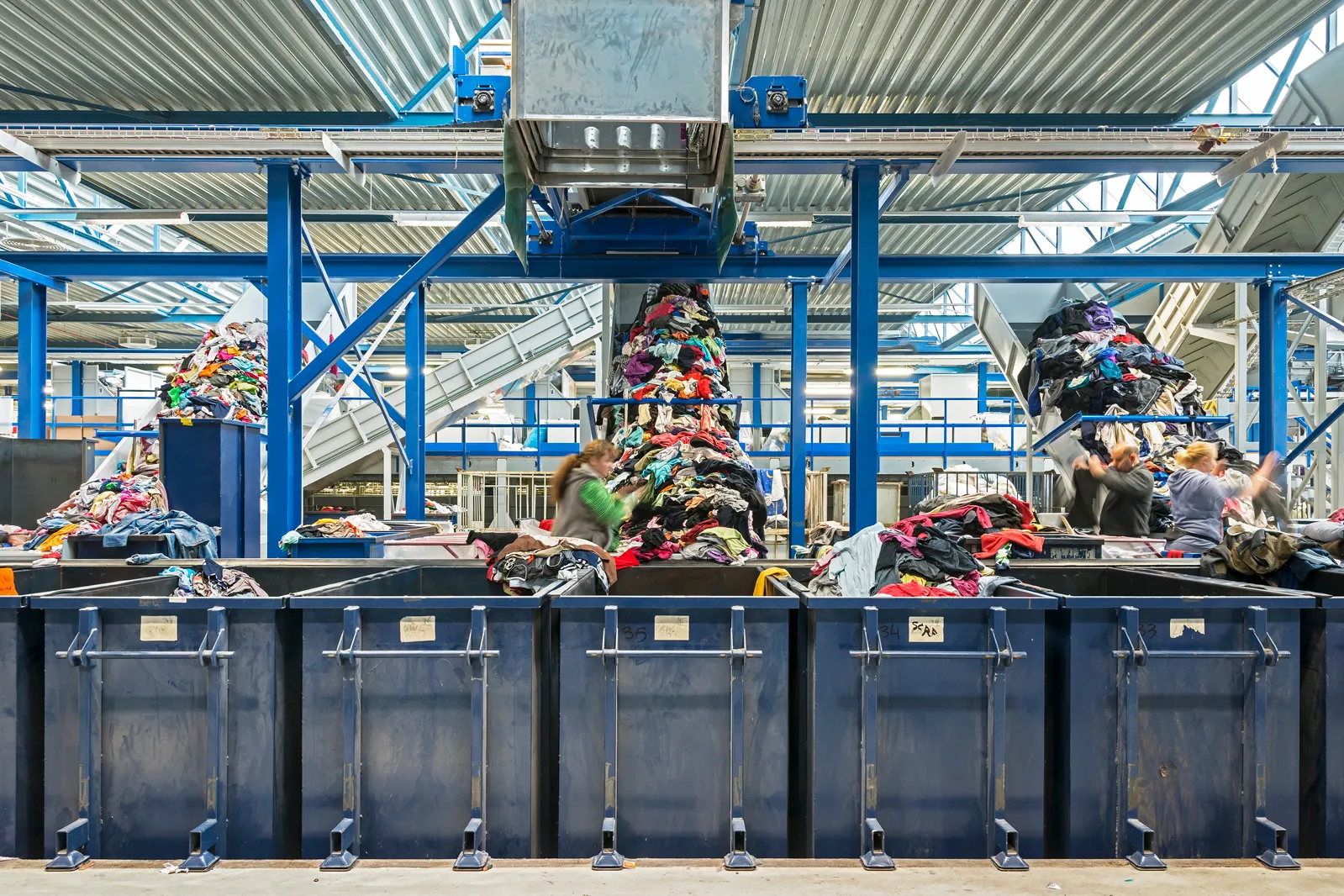
In early 2025, the European institutions formally reached an agreement on the revision of the Waste Framework Directive (WFD). For the first time, this introduces EU targets for food waste and extended producer responsibility (EPR) for textiles. This is an important step towards circular supply chains, but the practical implementation will determine its success. What exactly will change for the sector?
For the first time, the agreement sets EU-wide food waste reduction targets: a 10% reduction in processing and production waste, and a 30% per capita reduction in retail, hospitality, food services and households. This sends a clear signal across Europe in support of preventing food waste throughout the supply chain.
Textile EPR: who, what, when?
The agreement also introduces an EPR scheme for textiles, requiring producers to contribute financially to the collection, processing and recycling of discarded textile products. The level of the contribution will be linked to the products’ durability and circularity. Member States must introduce textile EPR schemes within 30 months of the directive entering into force. The requirement applies to all producers placing textiles on the European market, including through e-commerce, regardless of where they are established. Micro-enterprises will have an additional 12 months. The EPR scheme covers a wide range of products: clothing and accessories, footwear, blankets, bed and kitchen linen, curtains and hats. Member States may choose to include mattresses in the scheme.
Adjusted contributions and focus on the social economy
Member States may adjust EPR contributions according to products’ lifespan and durability, a clear move against fast fashion. Social economy entities may be exempt from reporting requirements if these would impose a disproportionate administrative burden.
Future reviews and additional measures by 2029
By 31 December 2029, the European Commission will review the directive, with a focus on:
- Funding for EPR systems and possible targets for textile waste;
- The possibility of a financial contribution from commercial reuse operators, with a focus on larger players;
- Introducing mandatory pre-sorting of mixed municipal waste to recover valuable materials.
Denuo welcomes the direction, calls for attention to implementation
For Denuo, this agreement is an important step towards a circular textile chain in Europe. We support the principle that the polluter pays and that producers take on a greater role in managing their products at the waste stage. At the same time, we advocate workable EPR systems that strengthen existing reuse initiatives, both social and commercial, rather than putting them under pressure. A well-considered funding model, clear roles and fair competition are essential. We have set out our vision for the textile EPR model in our Textile EPR position paper, available in the ‘Positions’ section of denuo.be.
What does the future hold?
With this formal agreement, Europe is taking a step in the right direction, but practical obstacles remain a concern. Denuo is closely monitoring the national implementation of this directive and will continue working with members, policymakers and European umbrella federations to develop an effective and balanced EPR system in Belgium.
Question about this story? Ask your question
Keep following this
Get an email when a new story is published. No account needed.
- ThemeMaking use of textiles and other waste streams
- SubjectDenuo







