












Energy as a make-or-break factor for circularity: no competitive prices, no competitive recycling industry
The circular economy is high on the European and Belgian agendas. Recycling must reduce our dependence on primary raw materials while also contributing to climate targets. But a fundamental problem is emerging behind this ambition. The companies that make the circular economy possible are losing competitiveness today. The question is becoming unavoidable: how can we build a circular economy if the industrial base is disappearing?
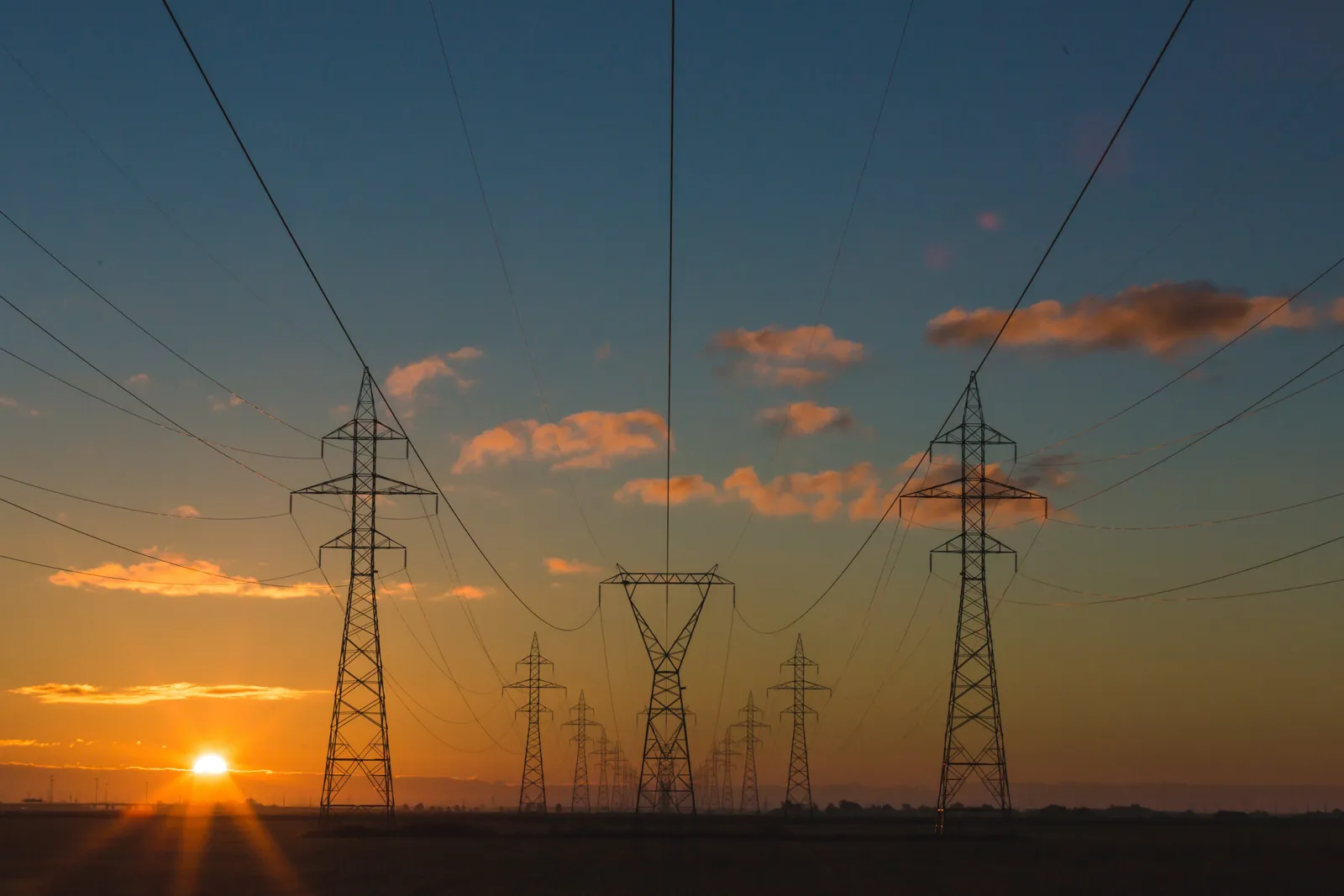
The National Bank’s latest annual report puts its finger on the problem: Belgian industry is under pressure from high energy prices, growing regulation and international competition. The recycling sector feels this reality more than most. Processes such as sorting, shredding, washing and melting are energy-intensive. At the same time, recycling companies must compete with producers of virgin materials and with recycling capacity in other countries where energy is cheaper or actively subsidised by the government. When energy prices are structurally higher than those of competitors, a fundamental imbalance arises. Recycled materials become more expensive, investment comes under pressure and capacity disappears. The paradox is clear: Europe wants more recycling, but at the same time undermines the conditions needed to make it happen.
Circularity needs a strong industry
Recycling is not a niche activity, but a strategic pillar of the economy. It reduces CO2 emissions, strengthens security of supply and creates local economic value. But it can only fulfil this role if companies remain economically competitive. Waste is not a residual stream, but a raw material. Europe is now strongly focused on ‘Made in Europe’, but that story is incomplete without ‘Made with European materials’. After all, tomorrow’s raw materials are in our own waste streams. If we can no longer process them here, we give up not only economic value, but also our strategic autonomy. If we are to prevent the recycling sector from losing further ground, targeted and structural measures are essential. Not in the long term, but now. In response to this urgent need, Denuo is putting forward a number of clear policy priorities to restore the sector’s competitiveness.
1. Ensure competitive and predictable energy prices
The first priority is clear: energy prices must become competitive again. Today, they are the biggest structural disadvantage facing the recycling sector. Denuo is calling for concrete measures. These could include capping transmission and distribution network tariffs, including for SMEs and companies in industrial supply chains. Excise duties should also be reduced to the European minimum. Without these measures, recycling will remain structurally more expensive than producing virgin materials.
2. Remove policy costs from energy bills
Electricity bills are currently being used to fund all kinds of policy measures. This makes energy unnecessarily expensive for companies that are helping drive the climate transition. Denuo is therefore calling for these costs to be funded from general public funds. Energy bills should reflect the actual cost of energy, not serve as a policy instrument. This is a crucial step towards removing the structural cost disadvantage.
3. Create a level playing field with international competitors
The recycling sector operates in a global market. Belgian companies currently have to compete with imports of recycled materials from lower-cost regions and with producers of virgin materials, which often have lower costs or receive support. Denuo is calling for stricter import checks and a policy that recognises local, circular materials as strategic raw materials for Europe. Without a level playing field, Europe will lose not only industry, but also control over its raw materials.
4. Ensure stability and investment certainty
Finally, a stable and coherent regulatory framework is needed. Constant changes and additional national interpretations create uncertainty and hold back investment. The recycling sector needs clear, predictable rules that enable companies to invest in capacity and innovation over the long term.
From analysis to action
The National Bank’s analysis is not an academic exercise, but a clear wake-up call. Industrial competitiveness and climate and circularity targets cannot be considered in isolation. Anyone committed to circularity must also ensure there is an industry capable of delivering on that ambition. A coherent circular policy therefore also requires strong industrial and energy policies that take account of the realities facing energy-intensive sectors such as waste and recycling. Initiatives such as Alden-Biesen showed that awareness is growing, but the lack of concrete follow-up at European level makes clear that we still have a long way to go. The direction is clear. It is now up to policymakers to turn it into decisive action.
Question about this story? Ask your question
Keep following this
Get an email when a new story is published. No account needed.
- ThemeCircular business under changing regulations
- SubjectDenuo







