












Denuo welcomes federal coalition agreement
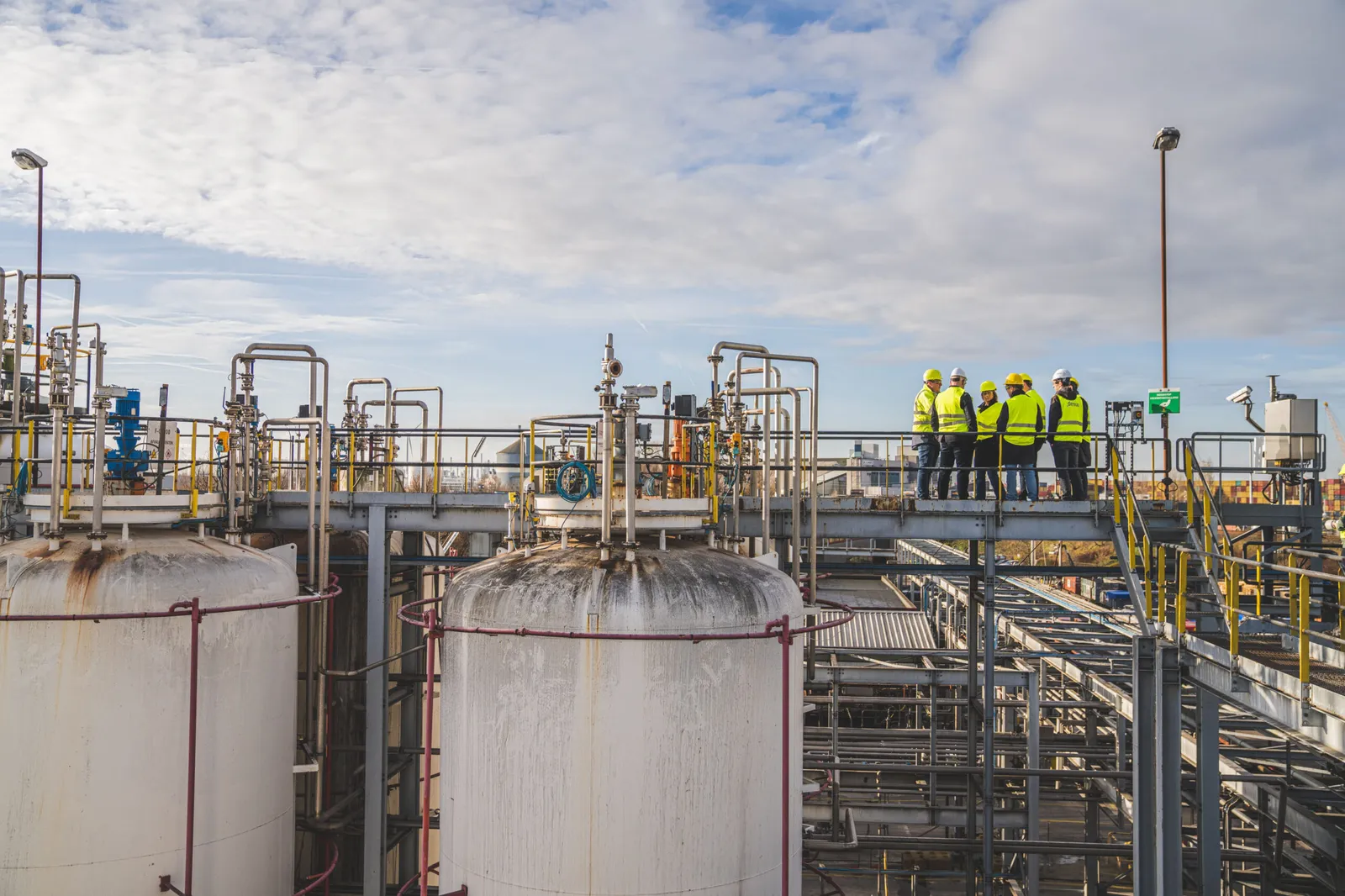
Denuo welcomes the focus on the circular economy and cooperation in the new federal coalition agreement. Denuo and its members are ready to turn federal plans on the economy, energy, the environment and climate into concrete action.
In its coalition agreement, the federal government makes rebuilding industry and further developing the circular economy priorities. Among other things, it aims to do this by removing the obstacles holding back industrial growth in Belgium. In cooperation with the regions, work is under way on an economic and industrial vision that encourages innovative projects, makes targeted adjustments to regulations and deploys public services to accelerate the transition to a circular economy.
Points of connection
Denuo supports these plans and sees opportunities to further develop the Belgian circular economy. “An integrated vision and consultation with all stakeholders are essential,” says Patrick Laevers, interim managing director of Denuo. “By adapting regulations and encouraging innovation, we can strengthen the competitiveness of our industry.” The federal coalition agreement offers concrete points of connection that Denuo and its members will monitor closely:
- Integrated plan. The federal government has promised a renewed Federal Action Plan for the Circular Economy, which aims to facilitate and promote the circular economy through considered product policy, standards, taxation and public procurement legislation. The federal government is also working with the regions to maximise the use of recycled raw materials within Belgium. In consultation with its regional partners, it aims to make product standards sufficiently flexible to allow the maximum use of recycled raw materials. The possible introduction of an environmental tax system linked to product standards would incentivise the use of recycled materials, which could directly boost demand for them.
- Enforcement. Good regulation also requires effective enforcement. The federal government has promised more checks on the import and export of materials. Closer monitoring of exports of end-of-life vehicles is crucial to recycling more critical raw materials locally. Stricter checks on materials entering the European market will also be needed to keep local recycling competitive. Today, the influx of cheap, lower-quality materials from abroad creates uncertainty for investment in areas including textile recovery and plastics recycling.
- Support. Broadening investment deductions and removing barriers to innovation will encourage technological progress. This is essential to developing new circular business models.
Focus on PFAS
Denuo also welcomes the federal government’s focus on the PFAS challenge. “Our sector can play an important role in filtering out substances of concern if the necessary investments are supported,” says Laevers. The coalition agreement also provides for closer cooperation between federal and regional levels of government. In addition, the federal government is calling for EU-wide rules and criteria that promote recycling, such as end-of-waste criteria and clear regulations on waste shipments. “We are pleased that the federal government recognises the importance of a coherent approach,” says Laevers. “Our sector can play a key role in delivering energy and climate policy within a sustainable economy. What matters now is turning policy into concrete action.”
Shaping the future together
Denuo reiterates its readiness to act as a partner and provide solutions. “Our members have the knowledge and expertise to help develop a sustainable economic and industrial vision,” Laevers concludes. “We look forward to constructive cooperation with the federal and regional authorities to prepare Belgium for a circular future.”
Question about this story? Ask your question
Keep following this
Get an email when a new story is published. No account needed.
- ThemeCircular business under changing regulations
- SubjectDenuo







