












Denuo publishes position paper on EPR for fashion textiles
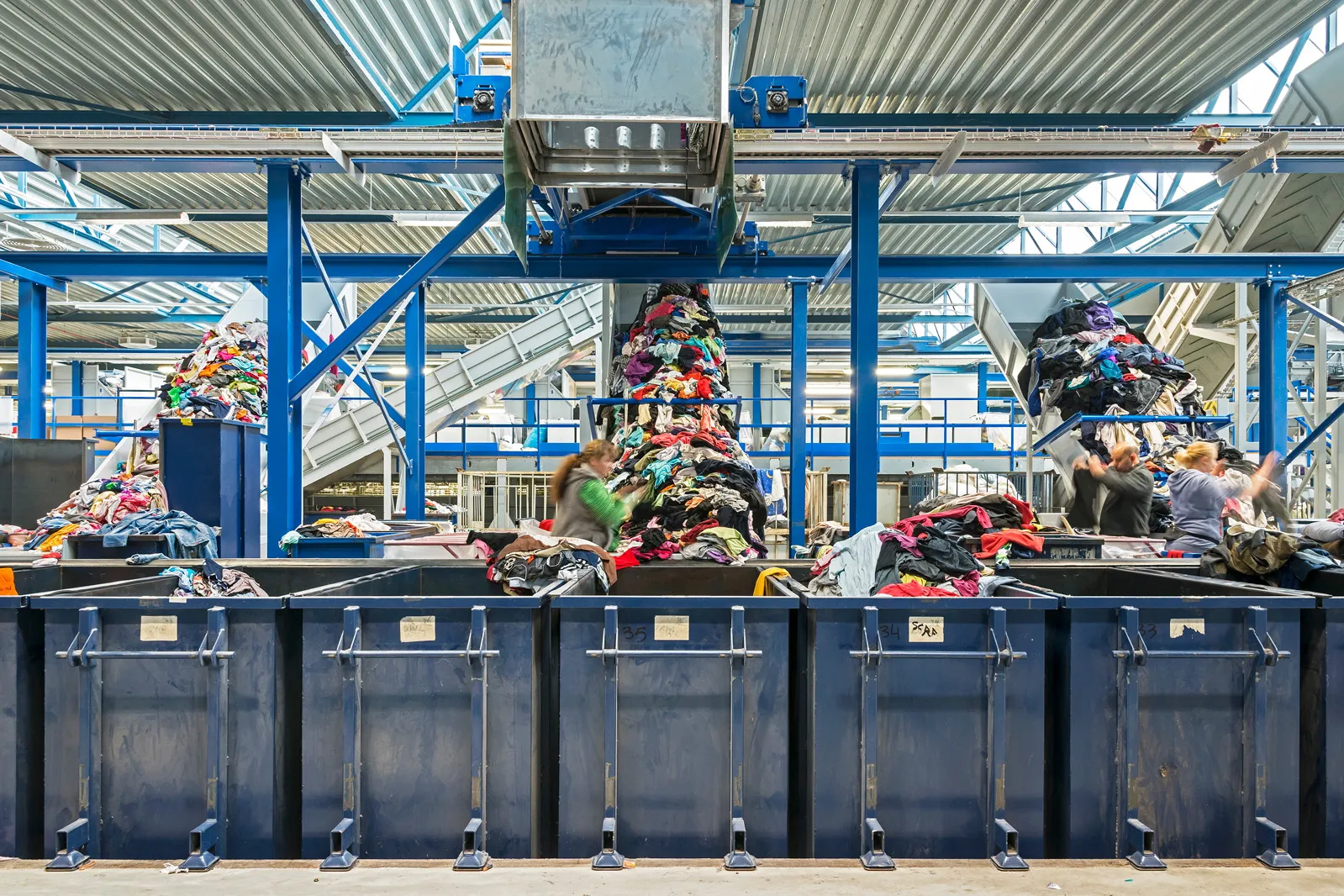
Policymakers at both European and national level are currently preparing an EPR system for textiles. To ensure we are well positioned in these discussions, Denuo has drawn up a position paper setting out our vision.
Belgium’s textile recovery sector faces major challenges due to the rise of ultra-fast fashion and saturated second-hand markets, making an urgent transition essential. Denuo is calling for the swift implementation of an extended producer responsibility (EPR) system focused on fashion textiles.
Below are our four key messages.
- An EPR system for fashion textiles is a priority. The transition facing the textile recovery sector requires a supportive legal framework. A separate EPR system focused on fashion textiles can help businesses in the sector remain viable and make the necessary transition.
- Focus on high-quality sorting. High-quality, fine-grained sorting of textiles for reuse and recycling is central to a successful EPR system. Financial support and a flexible approach are essential to respond to market fluctuations. Only sorters that meet strict quality standards will be eligible for support.
- Recycling as a growth area. Innovative recycling technologies should be encouraged through an innovation fund or an adjusted sorting fee. Technology-neutral targets for recycling post-consumer textiles and strengthening local recycling capacity in Belgium are crucial to economic and environmental progress.
- Maintain and strengthen collection and reuse. The existing extensive network of public collection containers must be maintained and complemented by efforts to further encourage collection. Strict quality controls and agreements on textile exports are needed to ensure reliability, while ambitious collection and reuse targets must take account of supply and demand.
You can find the full position paper at denuo.be
Question about this story? Ask your question
Keep following this
Get an email when a new story is published. No account needed.
- ThemeMaking use of textiles and other waste streams
- SubjectDenuo







