












Denuo calls on Walloon government to treat all textile recovery companies equally
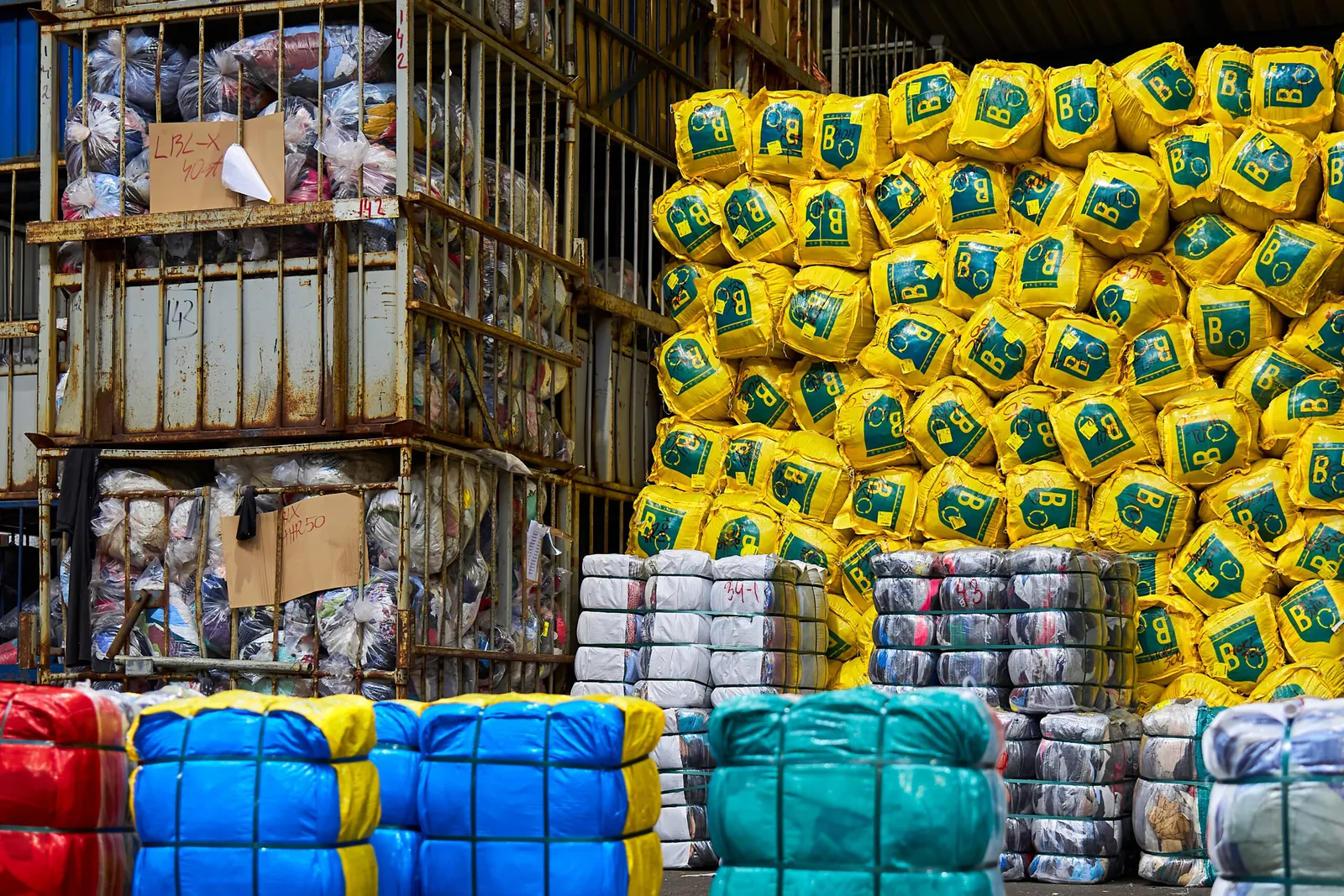
Denuo is concerned about the Walloon government’s new support measures for the textile recovery sector. The sorting fee of 151 euros per tonne is awarded exclusively to social economy companies, while unsorted textiles are also exempt from the incineration levy. This combination creates an uneven market and increases the risk that recyclable or reusable clothing will now be sent directly for incineration.
The exclusive support for social economy companies excludes private sorting companies, even though they already handle large volumes of foreign textiles because local supply is insufficient. In addition, a great deal of unsorted textiles from the Flemish social economy sector ends up in Wallonia. “These support measures are well-intentioned, but undermine the economic viability of mainstream sorting companies and disregard the principles of fair competition,” says Aarnout Ecker, general manager of Denuo.
Three proposals for a fair and circular textile policy
Denuo is calling on the Walloon government to revise its policy. Specifically, the industry federation is asking for:
- The sorting fee to be made available to all licensed sorting companies that process textile waste from Wallonia. This would prevent waste tourism from other regions and countries;
- The exemption from the incineration levy to be abolished, or at least also made available to mainstream companies that collect and sort textiles for reuse and recycling;
- The accelerated introduction of EPR for textiles through Retexbel, by 1 January 2027 at the latest.
“We are in contact with Minister Coppieters’ office and appreciate its willingness to discuss these measures,” says Ecker. “All the tools for a circular textile model are ready. It is now up to the regions to make use of them together and achieve real progress.”
Question about this story? Ask your question
Keep following this
Get an email when a new story is published. No account needed.
- ThemeMaking use of textiles and other waste streams
- SubjectDenuo







