












Clean Industrial Deal: the circular economy as an industrial driver
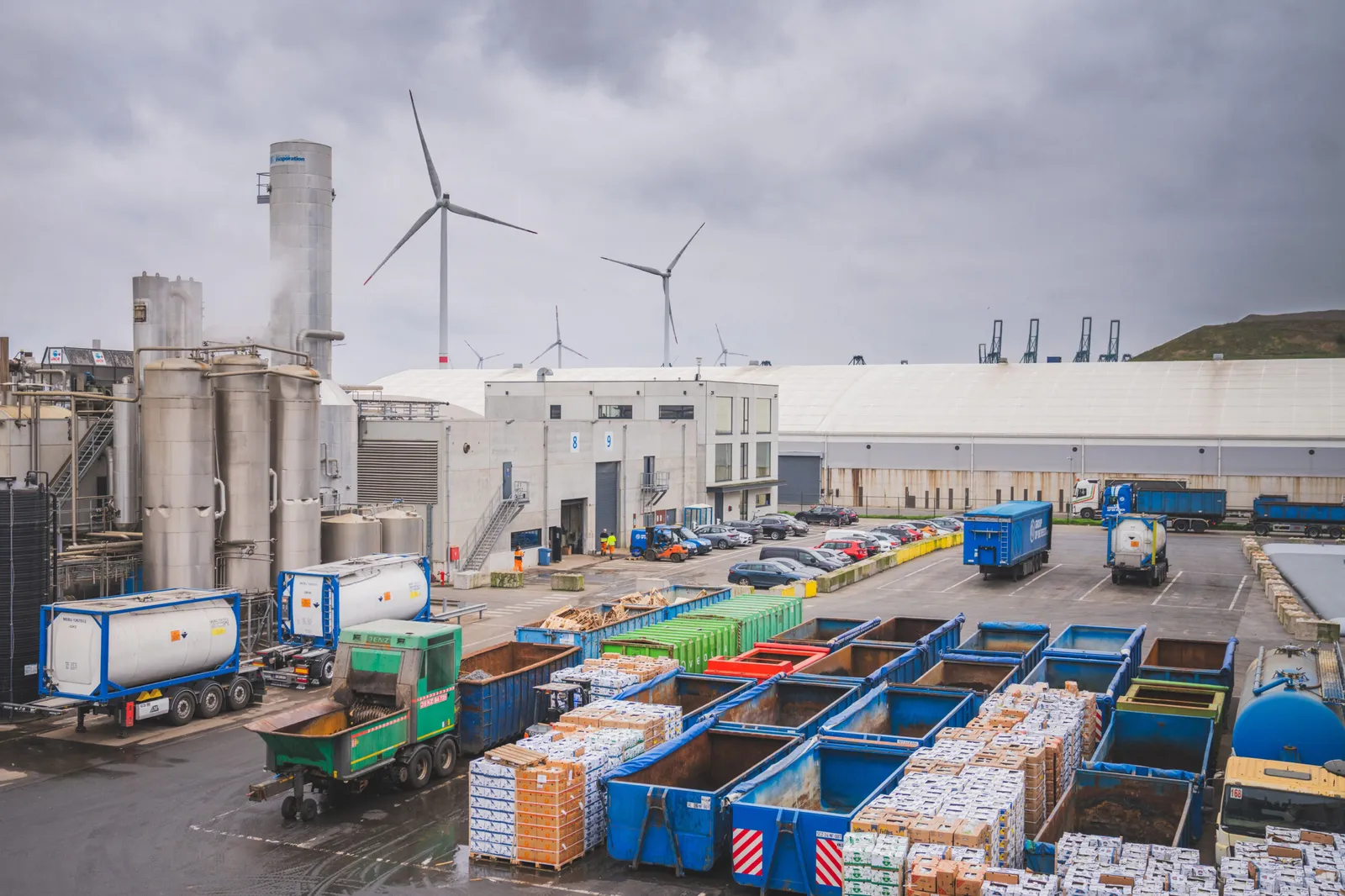
Europe is working on a new industrial policy framework designed to pave the way towards a climate-neutral and competitive economy. A key part of this is the Clean Industrial Deal, with measures that bring opportunities and challenges for Belgium’s waste and recycling sector too. Denuo is positive, but also asks: are we moving quickly and decisively enough to make a real impact?
The Clean Industrial Deal (CID) is an important piece of the wider European Union Green Deal jigsaw. While earlier legislative packages, such as the Fit for 55 package, focused mainly on energy and climate targets, the CID aims to establish a sustainable and competitive industry in Europe. Energy is, of course, also a focus here. Europe sees decarbonisation as an important driver of industrial growth, and the CID therefore includes various measures to encourage companies to reduce their CO2 emissions. The deal includes support measures to accelerate decarbonisation in energy-intensive sectors such as the steel, metals and chemicals industries.
Circularity and access to raw materials
But the CID goes beyond energy. Europe sees circularity as an equally important driver. For a competitive and resilient European market, it is crucial to make the best possible use of the limited resources available within the EU and become less dependent on raw material suppliers in third countries. In the coming years, it will therefore be even more important to reduce to an absolute minimum the amount of waste that cannot be recycled or reused. How? By promoting ecodesign, so that products entering the market last longer and are easy to repair, recover or recycle. And by investing in advanced sorting of as many materials as possible, additional recycling capacity and innovation.
Strengthening strategic autonomy
The Commission also plans a number of measures to strengthen strategic autonomy in the area of (critical) raw materials. Among other things, it wants to set up a mechanism allowing companies in Europe to pool their demand for raw materials. A European centre would then purchase raw materials jointly on behalf of interested companies, generating economies of scale and securing better prices and terms. By the end of 2026, Europe intends to propose legislation on the circular economy to accelerate the transition and ensure that scarce materials are used and reused efficiently. The goal is for 24% of our material use to be circular by 2030. With this measure, Europe aims not only to strengthen the competitiveness of European industry, but also to create a sustainable source of job growth.
Clear added value for our sector
Europe’s waste and recycling sector welcomes the CID and its ambition to make Europe a leader in the circular economy. The deal opens up important opportunities, including investment support for circular technologies, simpler procedures for recycling initiatives and better access to end-of-waste materials. The measures in the Circular Economy Act are a perfect fit for our sector’s needs.
Strong policy measures needed for competitive recycling
As a sector, we also stress that recycling must become more competitive with so-called virgin materials. Only then can circularity become more than an ambition. The sector is calling for:
- Mandatory minimum targets for the use of recycled materials in products, excluding pre-consumer waste and bio-based materials, which are often not circular;
- No export levies or artificial restrictions on waste streams, but positive economic incentives to keep recycled materials in Europe;
- Lower energy costs for energy-intensive recycling processes, such as plastics recycling;
- Priority for recycled material from Europe in public procurement, as is currently the case for ‘Made in Europe’ products. European recycled materials meet high quality and environmental standards and must not be driven out of the market by cheap, non-compliant imports.
Urgency calls for faster action
One element is also causing concern: the proposed timeline. The proposal is currently not due to be presented until the fourth quarter of 2026. Denuo believes Europe can step up the pace. The challenges facing European industry, from raw material scarcity to international competition, call for action now. Denuo is therefore calling for the proposal to be brought forward to the second or, at the latest, the third quarter of 2026. This will ensure that Europe remains not only ambitious, but credible too.
Building a circular future together
The CID offers an opportunity to firmly embed recycling and reuse in European industry. But steps must also be taken in the short term. Denuo will continue to monitor the issue closely and calls for close cooperation between the sector, policymakers and other stakeholders. Only by working together can we make the transition to a circular industry that prepares Europe for the future.
The challenges facing European industry, from raw material scarcity to international competition, call for action now. Denuo is therefore calling for the proposal to be brought forward to the second or, at the latest, the third quarter of 2026.
Question about this story? Ask your question
Keep following this
Get an email when a new story is published. No account needed.
- ThemeCircular business under changing regulations
- SubjectDenuo







