












A strategic challenge for the steel and metals industry, with far-reaching consequences
Text Valérie CouplezImage Denuo
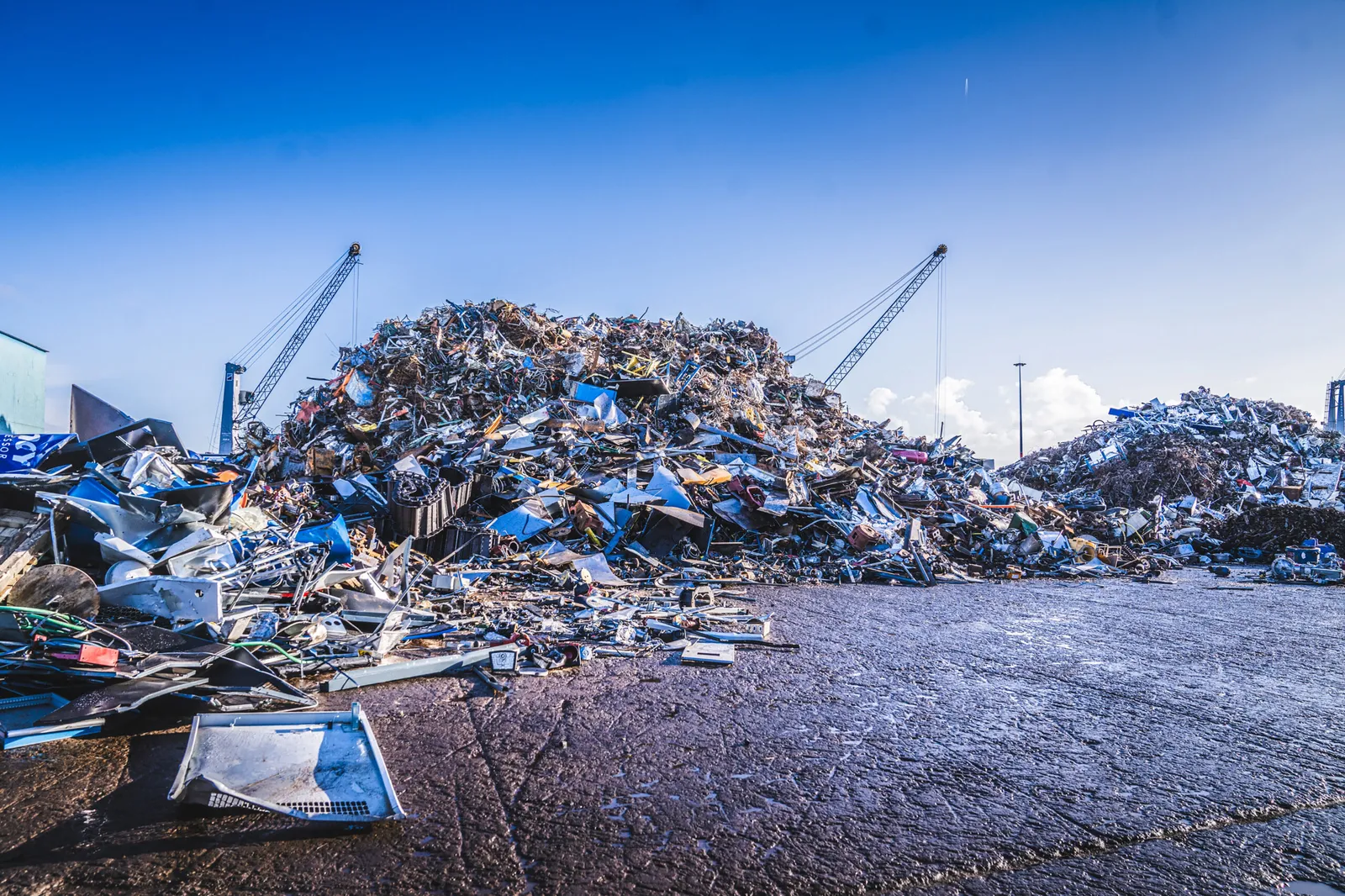
The European steel industry has been under pressure for many years. It faces foreign competition, declining demand in certain sectors, high energy costs in Europe and the need to decarbonise an industry that still makes a major contribution to CO2 emissions. But the metal recycling sector must not be made to bear the cost of that transition.
The steel industry accounts for around 5% of total greenhouse gas emissions in the EU and more than 25% of industrial emissions. Currently, more than half of the EU’s steel production comes from traditional blast furnaces (BF-BOF), most of which are ageing. The transition to low-carbon steel production, however, requires significant investment in new technologies. These include electric arc furnaces (EAFs), which can incorporate more recycled steel. Steel production in EAF plants emits less than 0.4 tonnes of CO2 per tonne of steel, both directly and indirectly, around 85% less than the conventional BF-BOF process. At least 80% recycled steel can be used to produce one tonne of steel using EAF technology, depending on its level of purity. However, these investments do not immediately guarantee a competitive advantage over low-cost imports from outside the European Union.
Weakened competitiveness in an uncertain geopolitical climate
For now, however, this transition is not gathering sufficient momentum. This is mainly due to the decline in the competitiveness of our steel industry. Over the course of ten years, steel production will have fallen by around 20% and aluminium production by almost 33%. To keep production costs under control, steel and aluminium producers are putting ever-increasing pressure on the European Commission to restrict exports of scrap metal outside the EU. They cite a structural shortage of these raw materials, which has not been demonstrated to date. Yet steel and aluminium producers have for many years received substantial government support to maintain local production in Belgium and other EU Member States. Such export restrictions, on the other hand, risk destabilising the entire metal recycling sector.
A paradox for the recycling sector
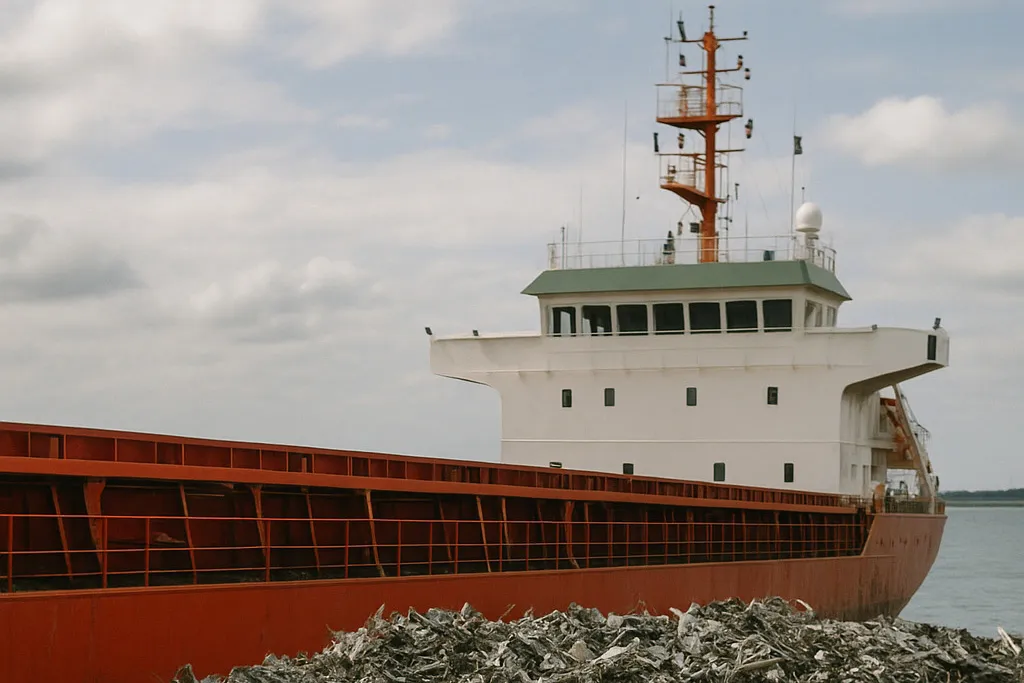
Last year, the European Commission put forward the ‘European Steel and Metals Action Plan’ (SMAP) to support the European metals industry. It provides a strategic framework for intervention as part of a broader approach focused on securing sovereignty over critical raw materials. Metal recycling is recognised within this framework as an essential pillar of the European circular economy, thanks to its substantial contribution to reducing greenhouse gas emissions. Ferrous and non-ferrous metals can be recycled indefinitely without any significant loss of quality. Our industry can only welcome the fact that metal recycling is finally being recognised for its value. At the same time, paradoxically, that same European strategic framework envisages trade protection measures in the very short term that would limit the export capacity of these recycled materials. Efforts are being made to make up for the lack of objective data with public consultations whose content already appears to be heavily steered in advance.
Exports essential to economic viability
The export of surplus recycled metals that are not taken up by the European domestic market remains, and will continue to be, an absolute necessity for ensuring the economic viability of our recycling businesses. They are already operating under significant financial, environmental and regulatory constraints. At the same time, they are investing in advanced sorting and processing technologies to limit environmental impact and ensure that secondary raw materials meet downstream industry requirements. Inappropriate intervention in global supply and demand risks undermining the economic balance of the entire metal recycling sector, with potentially irreversible consequences for the European industrial ecosystem. At the same time, it is essential to impose strict penalties on imports that do not meet the European Union’s environmental, social and quality standards.
Stimulating demand
Europe would therefore be better off strengthening domestic demand for scrap. Introducing regulatory frameworks that require products to contain a certain proportion of recycled material would be an effective way to do this. The proposal approved on 25 February concerning the European regulation on end-of-life vehicles (see RecyclePro 2/2026) is a good example. It sets binding targets for the incorporation of recycled materials in automotive production. This is important, because the sector accounts for 18% of European demand for steel and almost 25% of demand for aluminium. Extending this approach to other strategic sectors would sustainably strengthen the commercial prospects of recycling businesses while increasing the European Union’s raw material autonomy.
Question about this story? Ask your question
Keep following this
Get an email when a new story is published. No account needed.
- ThemeRecovering metals and creating value
- SubjectDenuo







