












A circular and competitive automotive sector: five priorities for recycling
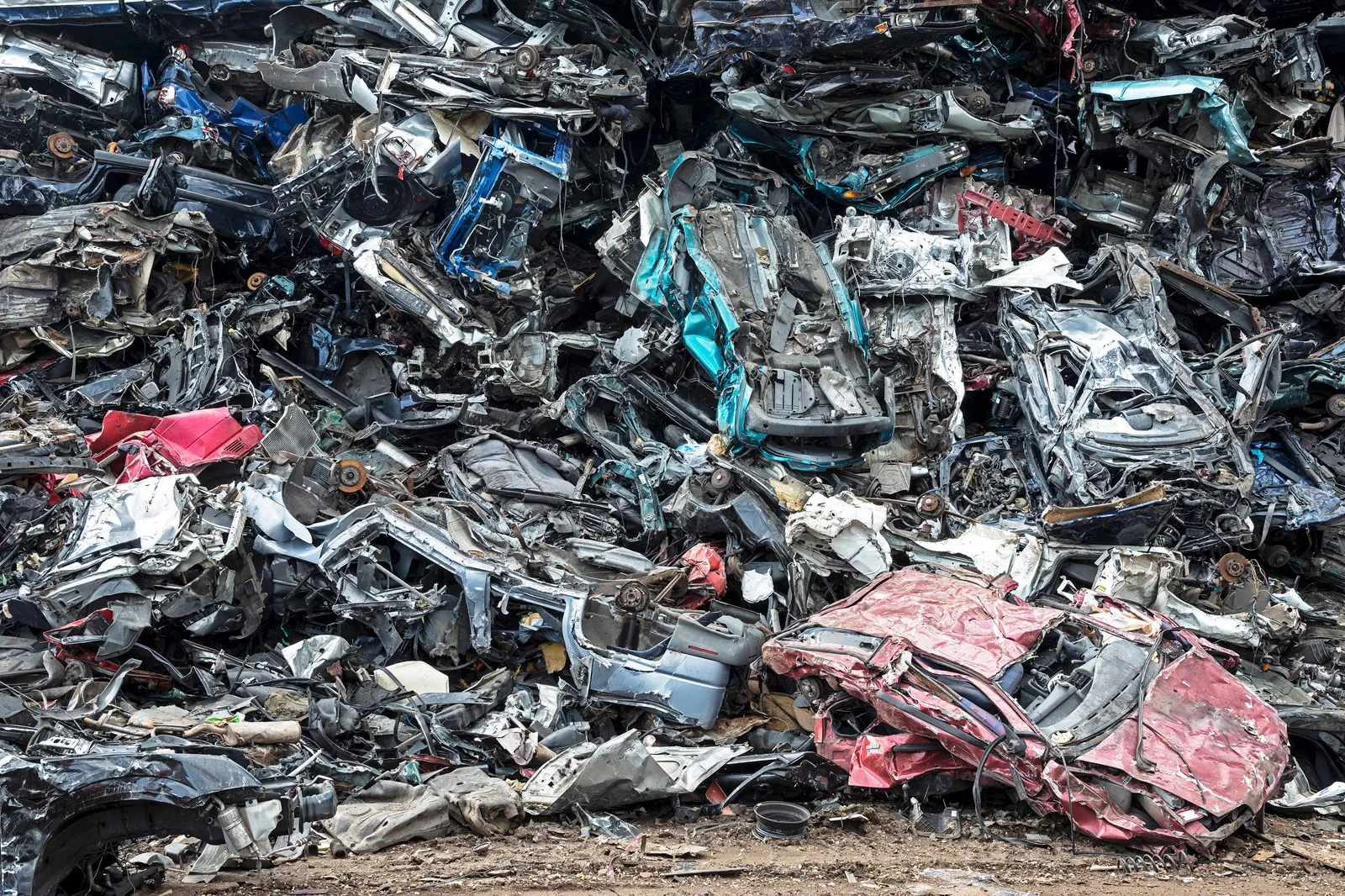
The European Commission is working on new legislation on vehicles and end-of-life vehicles, offering an excellent opportunity to strengthen circularity in the automotive sector. With the right policy measures, the EU can keep Europe’s recycling sector competitive. Denuo supports the five policy recommendations from EuRIC, the European recycling industries’ federation, to accelerate the transition to a circular automotive sector in Europe.
1. Mandatory use of recycled plastics
Currently, 80% of the plastics used in vehicles end up in landfill or incineration plants. To avoid wasting these valuable raw materials, we are calling for a requirement that new vehicles contain at least 25% recycled plastics. This is a feasible target that is already being met by the best-performing OEMs. It would also help significantly reduce CO2 emissions in the automotive sector, since 1 tonne of recycled plastic saves as much as 2.5 tonnes of CO2.
2. Mandatory use of recycled steel
Steel recycling requires 72% less energy than producing new steel and emits 58% less CO2. By requiring vehicles to contain at least 30% recycled steel, the EU can promote the circular economy and further reduce industrial CO2 emissions. This will contribute to cost-efficient and sustainable steel production in Europe.
3. Technology neutrality in the recycling sector
To optimise recycling output, companies must be free to choose the technologies best suited to their needs. Mandatory dismantling requirements for components with no reuse market increase costs without delivering environmental benefits. A flexible approach, in which recycling companies decide for themselves how to achieve the best environmental results, ensures efficient processes and fair competition.
4. Balanced representation in EPR schemes
Europe already achieves high rates of recycling (85%) and recovery (95%) for end-of-life vehicles. Over the years, recycling and recovery companies have built up valuable expertise, which is essential if the European Commission is to extend the system of extended producer responsibility (EPR) in the automotive sector. To ensure an efficient and fair market, recycling companies must be represented proportionately in EPR scheme organisations. Transparency in cost calculations and effective oversight of all actors are also crucial.
5. Tighter controls on the collection and export of end-of-life vehicles
Every year, many end-of-life vehicles disappear from the value chain, causing economic damage to the sector. By offering incentives to vehicle owners to hand in their vehicles through the proper channels and tackling the illegal trade in spare parts, the EU can improve collection and keep valuable materials in the European market.
Conclusion
A strong recycling policy in the automotive sector is essential for a circular and competitive economy. By implementing these five policy measures, the EU can create a stable investment climate, promote innovation and strengthen the competitiveness of the European economy. You can find the full policy document on the EuRIC website.
Question about this story? Ask your question
Keep following this
Get an email when a new story is published. No account needed.
- SubjectDenuo







