












82% of textiles incinerated? Not by Denuo members.
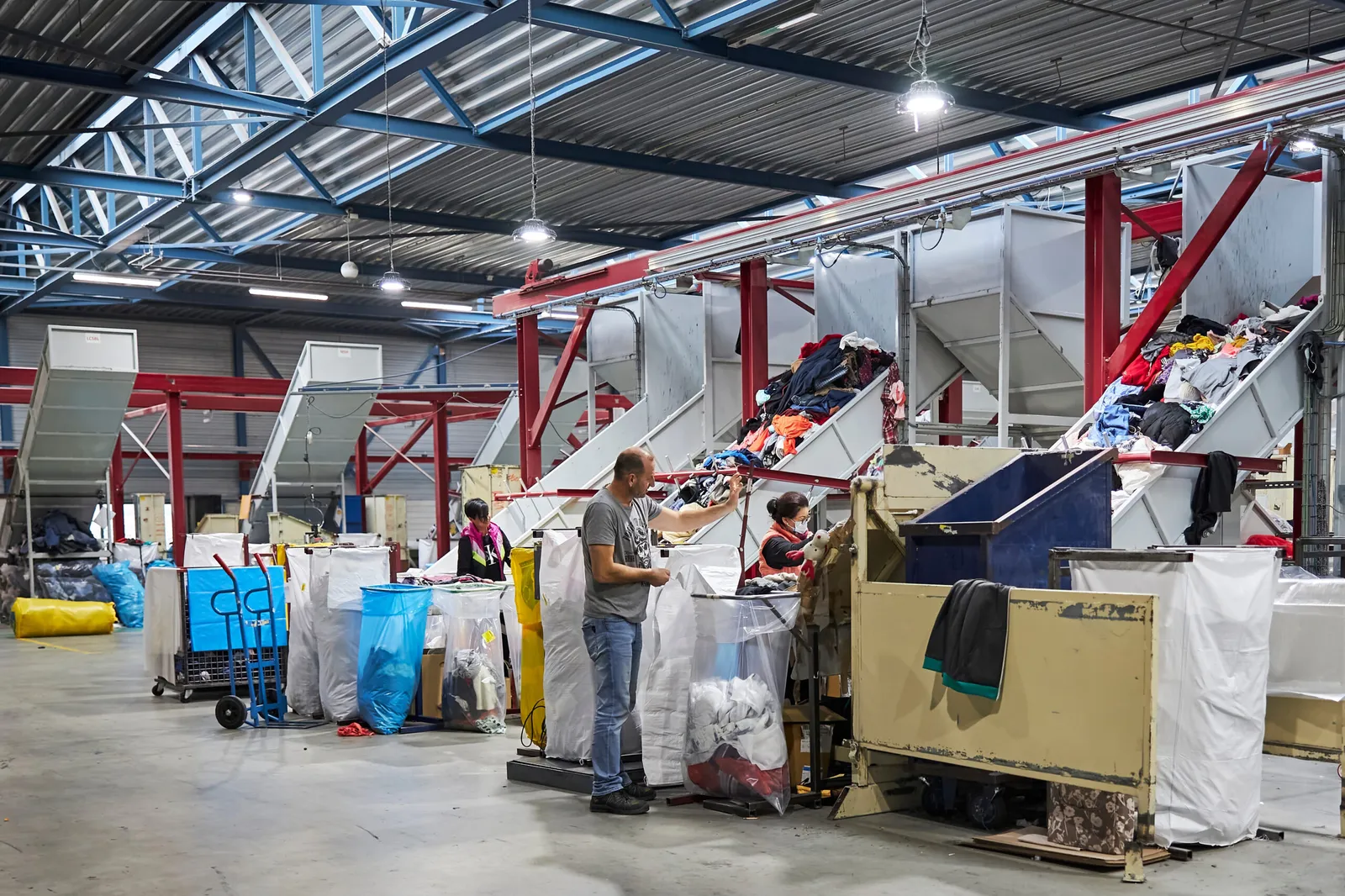
A recent article in De Morgen highlights the pressing problem of textile processing in Flanders. As much as 82% of collected clothing is reportedly being incinerated in Antwerp, despite the ban on textiles in residual waste that came into force at the start of this year. This alarming figure rightly raises questions.
Belgium’s waste and recycling sector wants to distance itself emphatically from this figure. Such volumes being sent for incineration are wholly unacceptable. Even amid market disruption and geopolitical pressure, Denuo members remain fully committed to reuse and recycling, regardless of the economic impact.
The need for a robust EPR framework
The problems highlighted by De Morgen expose the consequences of a failing collection system. Denuo is therefore calling for far-reaching reform through a swift and robust EPR framework (extended producer responsibility). This is the only way to ensure sustainable sorting, innovation and quality assurance across all market players.
Circularity in public procurement
Local authorities also bear considerable responsibility. When awarding collection contracts, cities and municipalities must consider not only logistics and social employment, but also the final treatment of the textiles. Textiles do not belong in the incinerator. Public authorities, whether knowingly or unknowingly, should not be supporting systems in which reusable and recyclable textiles are destroyed on a mass scale. A circular textile chain requires collaboration, transparency and policy choices that hold all players, both social and private, to account. The future of textiles lies not in the incinerator, but in an integrated system of reuse and recycling underpinned by a healthy market model.
Question about this story? Ask your question
Keep following this
Get an email when a new story is published. No account needed.
- ThemeMaking use of textiles and other waste streams
- SubjectDenuo







