












The big spring clean
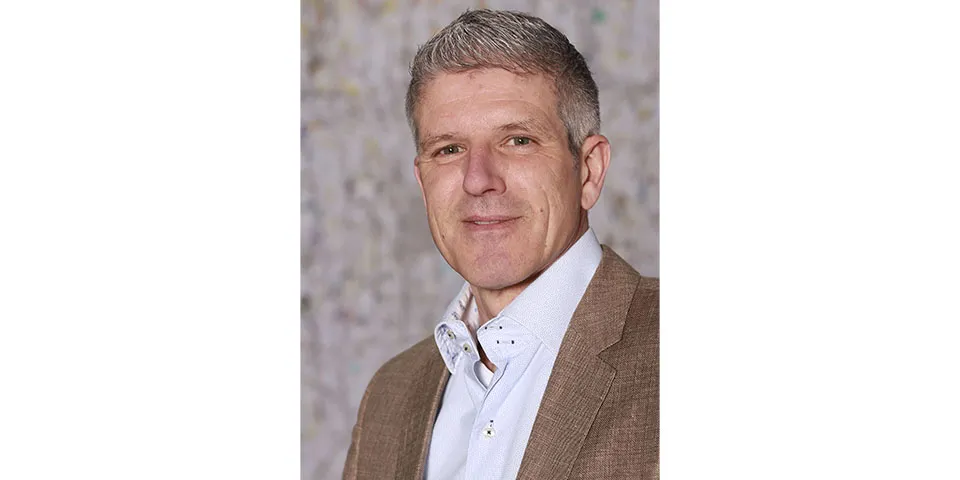
Working together to achieve the VANG targets
If anything has become clear in recent months, it is the herd mentality of us Dutch. From stockpiling toilet paper to visiting forests and beaches en masse, despite the RIVM advising against it. At the same time, there has also been a great deal of solidarity, with heart-warming initiatives launched to support people working in essential sectors.
I would like to highlight one particularly striking phenomenon: the mass visits to municipal waste recycling centres. Whereas the big spring clean used to be associated with the first rays of sunshine and clearing out the shed and garage, this year it seemed that the combination of working from home and the quarantine imposed on us by the coronavirus crisis had triggered a major clear-out.
My point is not the timing, but rather the volume. I recently moved from a large family home to a smaller one. The children now live independently, and six rooms are far too many for a two-person household. I had to clear out all the rooms, the loft and the garage, and for a while I was the local waste recycling centre’s best customer. Even then, two things puzzled me: why had I kept all those old products for so long, and why are so many products made in such a way that there is nothing more you can do with them at the end of their life?
I think the first question is fairly easy to answer. You paid a lot for your first widescreen flat-screen TV, after all, and it seems a shame to throw it away. And if you want to give it away, no one is interested, because technology moves so fast that everyone already has a newer, better model than the one you are offering. The second question is harder to answer.
Why are so many products made in such a way that there is something more you can do with them at the end of their life? The answer seems to be twofold. On the one hand, product designers are not yet sufficiently involved in considering what happens to their creations at the end of their life. On the other, we still buy (too) many disposable items from online shops where turnover seems more important than quality.
As part of the national Circular Economy programme, BRBS Recycling is working with the More and Better Recycling covenant to formulate criteria for recyclability. The aim is to meet the VANG targets. Compared with 2012, in 2018 there had been a reduction of just 6 percentage points in the total amount of waste landfilled and incinerated in the Netherlands. If we are to meet the targets of reducing incineration and landfill by 50% by 2022, we will now need to pull together and make a real effort.
Enjoy the read!
Otto Friebel,
Director, BRBS Recycling
Question about this story? Ask your question
Keep following this
Get an email when a new story is published. No account needed.
- SubjectBRBS Recycling






