












SVHCs and acceptance policies
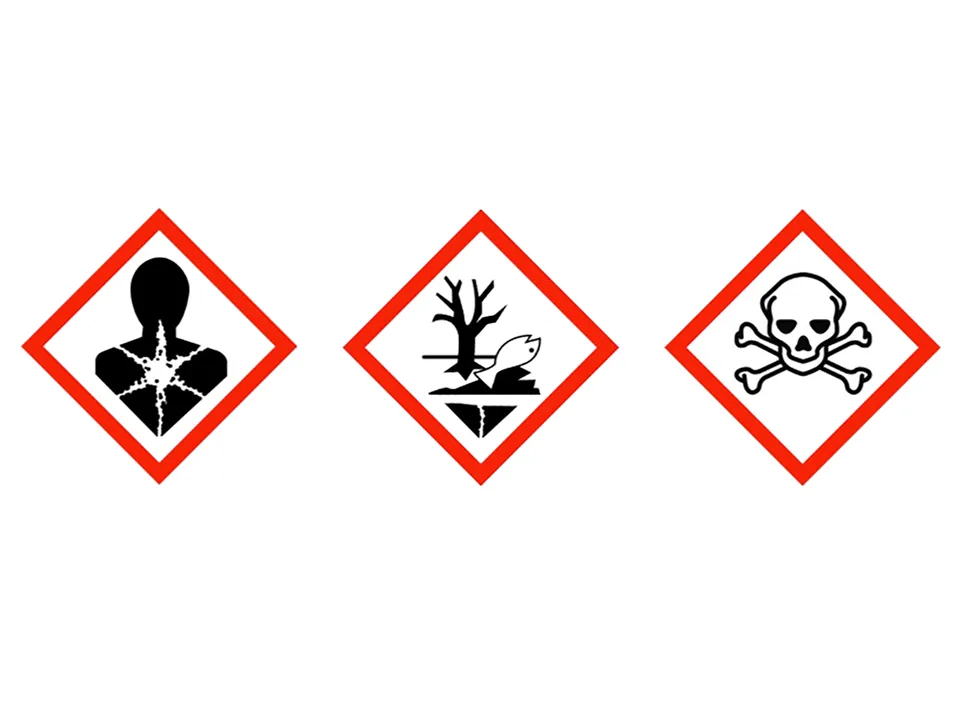
Emissions from certain companies contain substances of very high concern (SVHCs), which are hazardous to people and the environment. RIVM maintains a list of these substances, which now includes more than 1,800 SVHCs and a much larger number of potentially hazardous substances.
These substances are found in products such as paint, adhesives, plastics, cleaning products and building materials. At the end of their life cycle, these products can end up in waste streams. Now that the government wants to keep these substances out as far as possible on the basis of risk assessments, the question arises as to what this could mean for recycling companies’ acceptance policies.
“As knowledge advances, the list has been growing by the day for several years now. In the interests of effective waste management, LAP3 therefore introduced what is known as a risk assessment. If a waste material or recycled product contains SVHCs at levels above the composition limit, this may have consequences for the permitted activity,” says ir. Erik Doekemeijer, director and owner of ECD Milieumanagement.
Chemical analysis to establish whether and to what extent a waste stream offered for processing contains SVHCs is unlikely to be practically feasible for a recycling company. “However, it is much more feasible to establish its origin. If the source is not suspect, acceptance should not be a problem. This does, however, place greater responsibility on the waste producer, who must specify the waste stream they offer in as much detail as possible. The Reporting Decree was tightened for this very reason,” Doekemeijer continues.
Contractual exclusion
However, this does not free a waste processor from all risk. Doekemeijer therefore advocates stipulating in the contract that the waste stream offered does not exceed the SVHC limit. Given the dynamic nature of the list maintained by RIVM, this does not eliminate every risk. This is all the more relevant because it often takes some time before the waste stream is actually processed. Should this risk also be excluded contractually?
Doekemeijer: “We should not make the problems bigger than they already are. About five years ago, the government began mapping the sources of SVHC emissions in our country. The data then remained under the radar for quite some time, until the environmental services took action in 2018. A template setting out the specific information companies would need to provide on the matter was published. This may be a functional template for the chemical industry, as that sector has insight at substance level into what it uses in its production processes. But now that the same request is being copied directly across to the waste sector, a serious problem threatens to emerge. In hindsight, the sector may have responded too cautiously.”
2020 survey
To obtain a complete and up-to-date picture of the use and emissions of (potential) SVHCs at provincial companies, environmental services began a survey this year, with the aim of having a clear picture by 31 December 2020 at the latest. The findings could have implications for activities that are currently permitted. The environmental services intend to assess whether the information submitted is complete and correct, and then review the permits that have been issued. This could lead to different outcomes depending on the environmental service. Doekemeijer says: “I would therefore advise the sector to argue for this issue to be addressed consistently, on a national scale.”
Realistic
“In the Netherlands, we want all sorts of things. We also prefer to reduce potential risks to zero. But until we have a complete picture of those potential risks, let alone know where a limit really becomes critical, this is like mopping up with the tap running. In that light, the survey is significant. What you do not want is to put a certified product on the market today, have it used in a structure, and then discover three years later that it is the source of an environmental problem. Is that hypothetical? I doubt it. Take, for example, structures in which immobilised materials have been used. I certainly would not rule out the possibility of them re-entering the chain one day.”
Question about this story? Ask your question
Keep following this
Get an email when a new story is published. No account needed.
- ThemeCircular construction and demolition
- SubjectBRBS Recycling






