












Recycling sector suffers from unfair competition
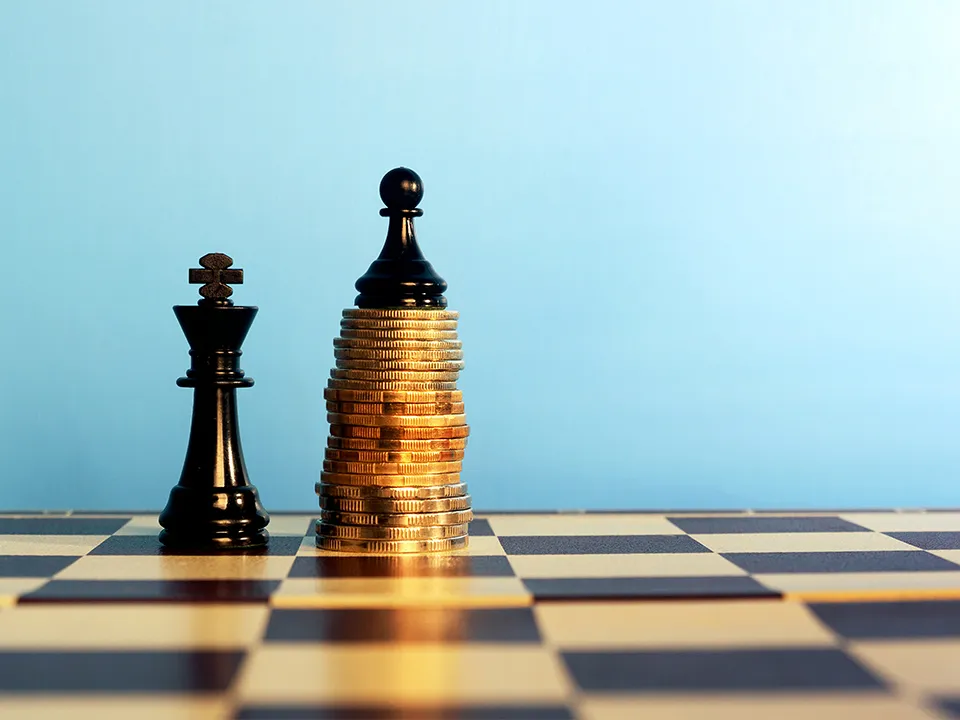
As end users, we pay too little for our materials. You might think that is good news, but in reality it is not. The environmental and social impacts of the production process are only partly reflected in the final price, or not at all.
“The recycling sector is getting a raw deal. Unfair competition from cheaper primary raw materials is the order of the day,” says Michel Scholte, Minister of the new economy. He is calling on the entire sector to champion the development of circular materials and to focus on purifying and developing new secondary raw materials. It is time to stop accepting the role of dumping ground and join forces.
What is true pricing?
The production of everything we need takes a toll on the environment. To cut costs, production was moved in the past to countries where it was cheaper than in the Netherlands. Even if it were moved back to the Netherlands, you still would not pay the true price for the product.
Externalities are not, or barely, reflected in the price. Externalities are hidden costs in the form of negative impacts on people and the environment. Examples include pollution of the air, water and farmland, or depletion of raw materials such as metals, oil and gas. The true price of a product = market price + social and environmental costs.
Worked example:
Suppose you buy a product for € 5,- in a shop. You are a few euros poorer, but that amount does not cover the full cost of the product because the externalities are not included. For example, making the product emits 10 kilograms of CO2. In addition, 50 litres of water are polluted, and on average one workplace accident occurs for every 30,000 products made. The True pricing model can be used to calculate the cost of repairing this damage and treating these injuries. In this case, the CO2 emissions must be offset: this costs € 0,10 per kilogram (€ 1,- in total). Polluted water can be cleaned for € 0,01 per litre (€ 0,50 in total). The medical costs and loss of wellbeing amount to € 15.000,- per accident (€ 0,50 per product). So now you know that the true price is not € 5,- but € 7,-.
Open-source calculation
The True price foundation makes this calculation available to anyone who wants to use it. Assigning a true price to materials will create a new business model, opening up many opportunities and bringing benefits over the longer term.
A dead end
Many sectors have been grappling for years with the problem of low selling prices per product. Price increases are not accepted, hindering the development of more sustainable and circular solutions, among other things. The waste and recycling sector remains heavily dependent on the products it is offered. Primary raw materials are too cheap, leaving secondary raw materials unable to compete on a level playing field. “We need to reset and clean up the economy, focusing on restoration, compensation, prevention and penalties. The current financial incentive leads to a dead end,” says Michel Scholte.
Steps will have to be taken for the future of the world we live in, as well as for our economy and the survival of businesses. Bringing materials and products to market at a more realistic price is an important part of this.
Sources:
Question about this story? Ask your question
Keep following this
Get an email when a new story is published. No account needed.
- SubjectBRBS Recycling






