












Recycling has been the right solution for years, now let’s tackle the final 20%!
Every day in the Netherlands, around 40,000 thousand men and women are busy clearing away the remnants of Dutch consumers’ prosperity.
These professionals start work before dawn. Whether behind the wheel of a lorry, on a sorting line, as an operator or as a planner, they are part of a whole chain of people and processes that ultimately results in around 80% of all waste being recycled. According to the latest figures from AfvalCirculair (Rijkswaterstaat), in 2018 we still incinerated or landfilled around 9 million tonnes of Dutch waste. But we are making rapid progress towards recycling more and doing it better, and by 2050 the concept of waste should no longer exist, because we will then be fully circular.
Since the 1990s, the recycling sector has professionalised rapidly. Partly in response to legislation and regulations, the government and the recycling sector advise and instruct waste producers, both consumers and businesses, on the best way to dispose of their waste. Today, the sector is represented by its trade associations, such as BRBS Recycling, in discussions with the government. These include discussions on revisions to the LAP (National Waste Management Plan), the Circular Economy within the various transition agendas, and reducing the incineration of recyclable waste at waste incineration plants.
There are many misconceptions about waste recycling. There is not enough space to address them all here, but they range from the idea that everything put out on the street as waste is turned into exactly the same new product, to the belief that all separately collected waste is ultimately thrown together again in the incinerator. This may well be the root of all the misconceptions and debates surrounding waste and recycling: a lack of knowledge and up-to-date information among a large proportion of the Dutch population.
A great deal of knowledge and expertise is required to collect, sort and recycle other people’s waste in a lawful and environmentally responsible way. That is why these workers are trained to identify different types of waste and correct mistakes made earlier in the chain. For example, a consumer who fills a container with construction and demolition waste and casually adds a half-full tin of paint could put a recycling company in a very difficult position if the container is tipped next to the sorting plant. This simple example, however, gets to the heart of the public debates that often arise around waste.
Recyclers are at the end of the chain, after the consumption process, and only encounter a product’s properties when it becomes waste. In turning waste into raw materials, recyclers continually invest heavily in new technologies, innovations and methods. These investments are based on knowledge and opportunities, and can help address problems caused by ill-considered or poor product design. Such problems are why waste cannot yet be recycled properly, and they must of course be tackled at source. Design for Recycling is of the utmost importance here. Involving the waste and recycling sector at the design stage is guaranteed to provide a solution for a product’s end of life.
I therefore urge manufacturers to make use of the solutions recyclers can offer to help achieve the transition to a circular economy.
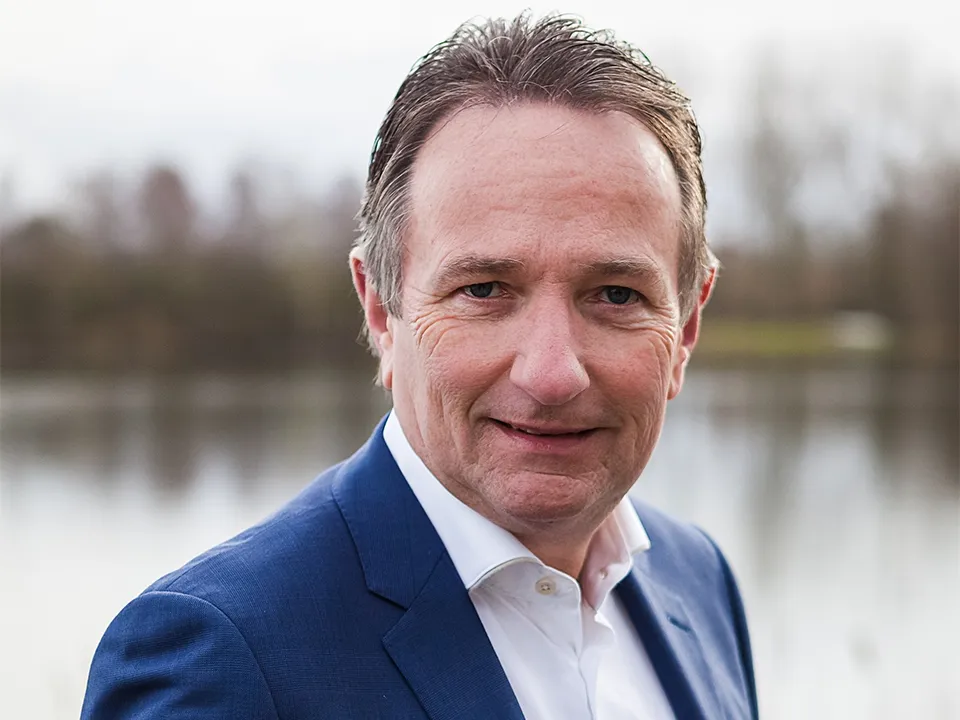
Ton van der Giessen, Chair of the Board, BRBS Recycling
Question about this story? Ask your question
Keep following this
Get an email when a new story is published. No account needed.
- ThemeCircular construction and demolition
- SubjectBRBS Recycling






