












Environment and Planning Act amendment decrees 2025 and 2026
What is changing?
The introduction of the Environment and Planning Act was a huge undertaking. It is therefore no surprise that changes were needed soon after it came into force. A significant proportion of these are being made through the so-called amendment decrees. These are rounds of corrections that both rectify errors and introduce policy changes.
In this article, we explain a number of relevant changes in the 2025 and 2026 amendment decrees, particularly those of importance to recycling companies, demolition contractors and earthworks and road construction contractors.
1. Stone processing: the same rules for everyone
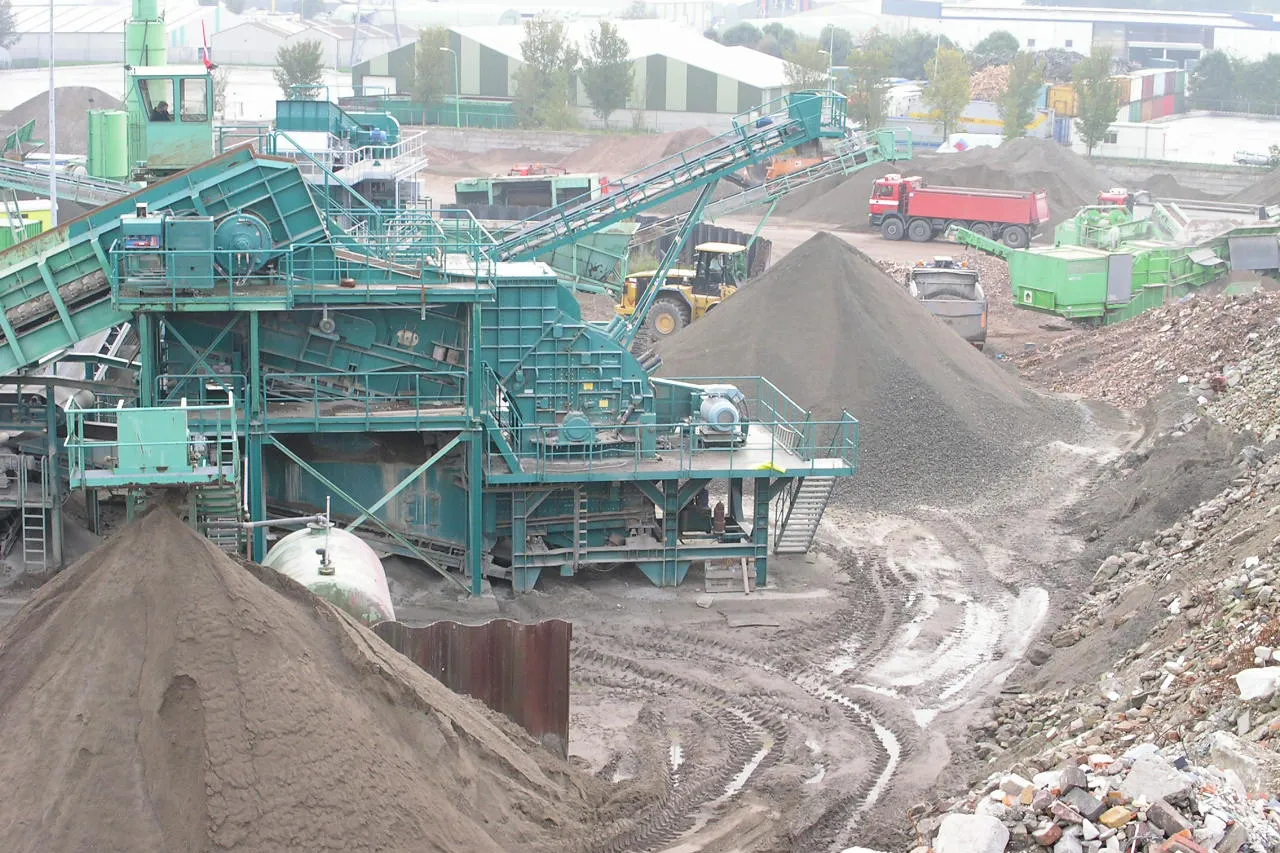
Until now, different rules have applied to stone processing depending on whether it takes place on site or at a permitted facility. This is because the rules for permitted activities are set out in the Decree on Activities in the Living Environment (Bal), while those for mobile crushing are set out in the Building Works Living Environment Decree (Bbl). Under the Bal, the crusher must be in an enclosed space, while under the Bbl it need not be. The measures required by the Bal are such that they would disrupt the market, creating an uneven playing field.
What is changing?
Article 4.313 of the Decree on Activities in the Living Environment (Bal) is being amended. Article 4.313 is being amended by revising paragraphs 2 and 3.
- paragraph 2:
The requirement for stone to be processed in an enclosed space does not apply to: a. blasting stone, where this is carried out using equipment fitted with an integrated dust extraction system; b. crushing rubble, where this is carried out using a rubble crusher fitted with effective dust control techniques. - paragraph 3:
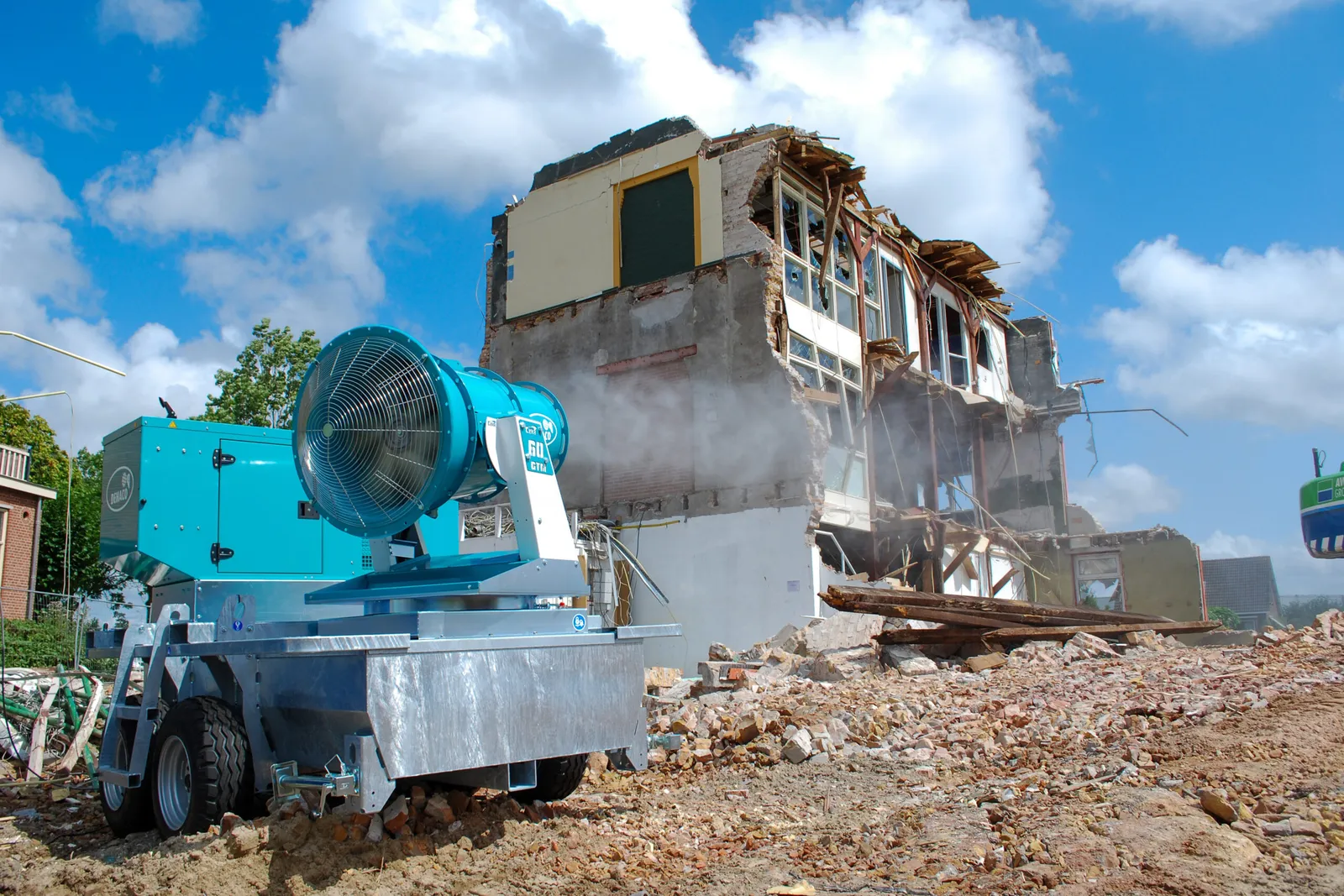
For the purposes of paragraph 2(b), effective dust control techniques means: a. effective wet working methods, where the water jet or water curtain is sized so that no visually observable dust dispersal occurs within 2 m of the dust source; or b. effective mechanical dust extraction, where emissions are directed along a water wall or through a suitable filter separator, so that no visually observable dust dispersal occurs. - Paragraphs 4 and 5 are deleted:
These rules will also apply to mobile crushing under the Building Works Living Environment Decree (Bbl), finally ensuring that the requirements are the same.
2. Wood processing: exemption for pruning waste
The amendment decrees do not announce any major changes to wood processing, so the requirement for it to take place in an enclosed space remains in force. The new provision is an exemption for the mobile shredding of woody plant waste on site.
3. Storage of dusty goods: little change, but debate continues
The existing rules for dusty products were significantly tightened when the Environment and Planning Act and the Bal came into force. Their practicality has been widely debated, but the amendment decrees do not (yet) change them. Goods in dust classes S1 to S4 (such as sand and soil) must be stored in an enclosed space. Recycled rubble aggregate falls into dust class S5 and is not subject to this requirement.
What is changing?
Article 4.1069 on the loading and unloading of dusty substances is being rewritten in clearer language, but without any substantive change.
4. Asbestos removal: additional duty of care
The requirements for asbestos removal in Article 7.21 of the Bbl are being tightened:
- The clause ‘other than in the course of a profession or business’ is being deleted;
- New: no residues may be left behind, and dispersal must be prevented as far as possible during removal, separation and packaging.
This amendment is also being made to the Asbestos Removal Decree 2005.
2026 amendment decree: soil and construction materials
1. Steel slag: notification requirement added
The use of mixtures containing more than 20% steel slag will become subject to a notification requirement, as is already the case for incinerator bottom ash and immobilised materials (Article 4.1258 Bal). For completeness, the State Secretary has recently introduced a specific ‘pause button’ for the use of steel slag, which goes further than the provisions in the amendment decree. This also applies to mixtures containing more than 20%. Mixtures containing less than 20% steel slag are assumed to pose a lower risk and are exempt from the pause rules. They are not subject to a notification requirement.
2. Reinstatement of exemptions for the reuse of construction materials
Article 25h of the Soil Quality Decree reinstates exemptions from previous regulations. This means that an environmental declaration is not required when reusing:
- Masonry mortar and natural stone (excluding armourstone);
- Construction materials that are reused without modification;
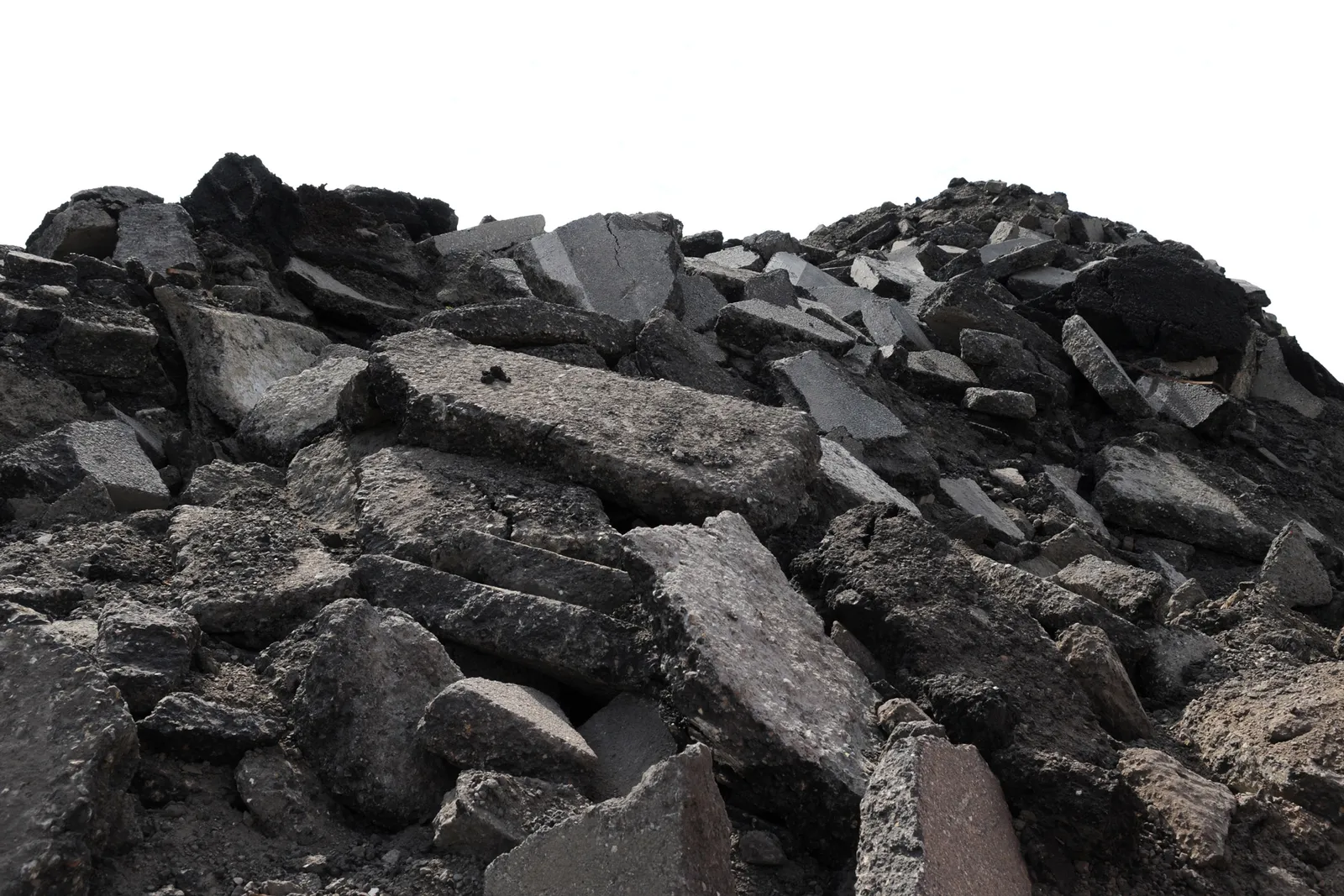
- Tar-free asphalt reused in the same road;
- Construction materials temporarily removed and returned to the same place without processing;
- Materials used by private individuals, up to a maximum of 25 m³.
3. Excavation in soil: completely revised
The rules on excavation in contaminated and uncontaminated soil are being substantially revised in sections 4.119 and 4.120 of the Bal. This article does not discuss them further.
In conclusion: a little more patience
The amendment decrees have not yet been officially published in the Government Gazette in respect of all points. Until publication and formal entry into force, the current rules under the Environment and Planning Act remain in force. The rules acquire formal status only once they have been published in the Government Gazette. In the meantime, it may be possible to anticipate these changes and avoid measures that prove unnecessary shortly afterwards. Please note: This article provides a brief overview. The official texts must be consulted for implementation.
Question about this story? Ask your question
Keep following this
Get an email when a new story is published. No account needed.
- SubjectBRBS Recycling






