












Arbitration Board: TAG export proves costly for contractor
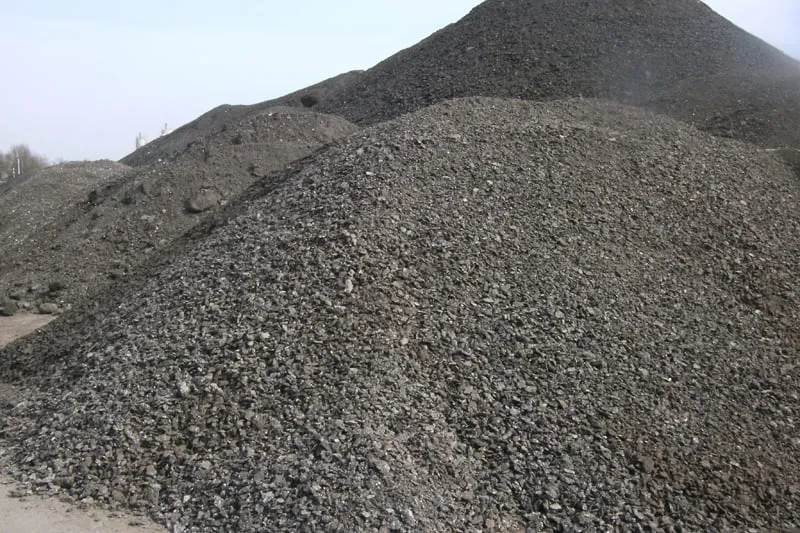
On appeal, the Arbitration Board for Construction Disputes recently ruled that a contractor must repay more than a quarter of a million euros to the municipality of Haarlemmermeer. The contractor had failed to have tar-containing asphalt (TAG) cleaned, even though cleaning was specified in the contract for the work carried out.
The TAG was exported via an intermediary, avoiding the cost of cleaning. But the municipality’s vigilance put paid to those savings. The Arbitration Board’s ruling paves the way for other municipalities to enforce the cleaning of TAG for which they have paid. Around 99% of all municipal road maintenance specifications require recovered tar-containing asphalt granulate (TAG) to be thermally cleaned. This suggests that national policy to ‘remove’ carcinogenic tar from the chain is being followed effectively. That is true when it comes to tendering. However, things can go wrong during execution. The municipality of Haarlemmermeer found this out when it decided to ask the contractor for proof of thermal cleaning. The municipality was left disappointed. However, it took the case to the Arbitration Board, which was unequivocal.
Due diligence
Municipalities often assume with confidence that contractors will comply with the requirements in the specifications. After all, these are carefully drafted agreements and detailed prescribed procedures that leave little to the imagination. But when road maintenance generates TAG, it pays municipalities (and taxpayers!) to demand conclusive proof: a certificate from a thermal cleaning facility stating the origin and volume of the TAG in question. Haarlemmermeer had also specified in the contract for this work, which generated tar-containing asphalt, that the TAG had to be taken to a facility holding a current permit for thermal treatment. During the work, however, the contractor was unable to provide proof that the TAG had actually been delivered to a thermal cleaning facility. After the municipality applied further pressure, the contractor eventually had to make the highly unfortunate admission that he had taken the TAG to a company which was permitted to accept TAG, but not to thermally clean it. By then, that company had already exported the TAG. The contractor had therefore failed to ensure that the TAG he had removed was actually thermally cleaned.
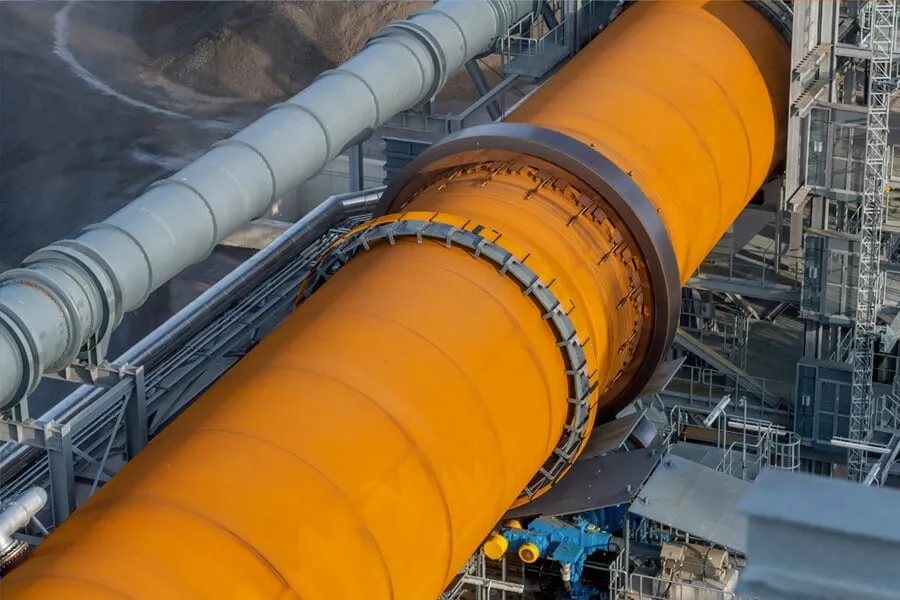
Unequivocal
That was not the end of the matter for the municipality of Haarlemmermeer. Under its contract with the contractor, the municipality had paid for the thermal cleaning of the TAG removed from the site, and brought the case before the Arbitration Board for Construction Disputes. The Board was unequivocal, both at the initial hearing and on appeal. The contractor had breached its contract with the municipality and failed to ensure that the removed TAG was handled as required by the specifications. The contract was therefore terminated in respect of that requirement, and the contractor was ordered to repay the cost of thermally cleaning the entire quantity of TAG removed. Including legal costs, this left the contractor with a bill of more than a quarter of a million euros. The Arbitration Board’s ruling shows that, even after a contractor has acted negligently, municipalities can still obtain a favourable decision and recover the costs they paid for TAG cleaning.
Clause
One recommendation, which can help avoid arbitration and is better for all parties, is for clients to add an extra clause to their specifications stating that payment will only be made once the contractor has provided valid proof of thermal cleaning, namely a certificate from a thermal cleaning facility. This is in line with the specification texts in CROW’s Standard RAW Provisions.
Policy objective
Removing tar from the chain has been a policy objective for the government and the civil engineering and infrastructure sector since the use of tar was discontinued in the late 1980s. Thermal cleaning plants came into operation in the early 2000s, making it possible to avoid landfilling TAG and return its cleaned mineral components to the economy. In 2015, the European Commission explicitly included this principle of ‘non-toxic recycling’ in EU policy in its first Circular Economy Action Plan.
Question about this story? Ask your question
Keep following this
Get an email when a new story is published. No account needed.
- SubjectBRBS Recycling






