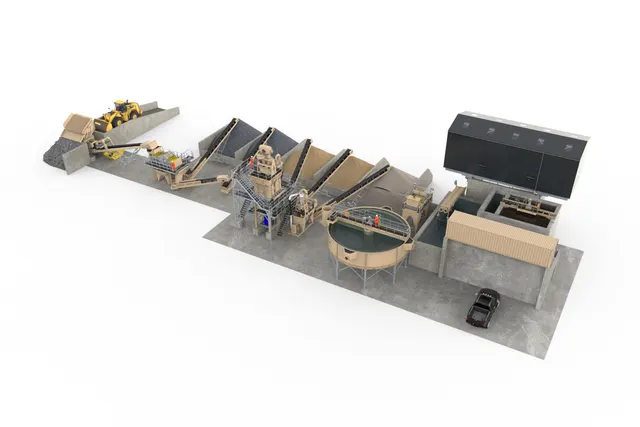
Wet processing enables FSG to pioneer remediation of PFAS-contaminated soils in Bergen, Norway
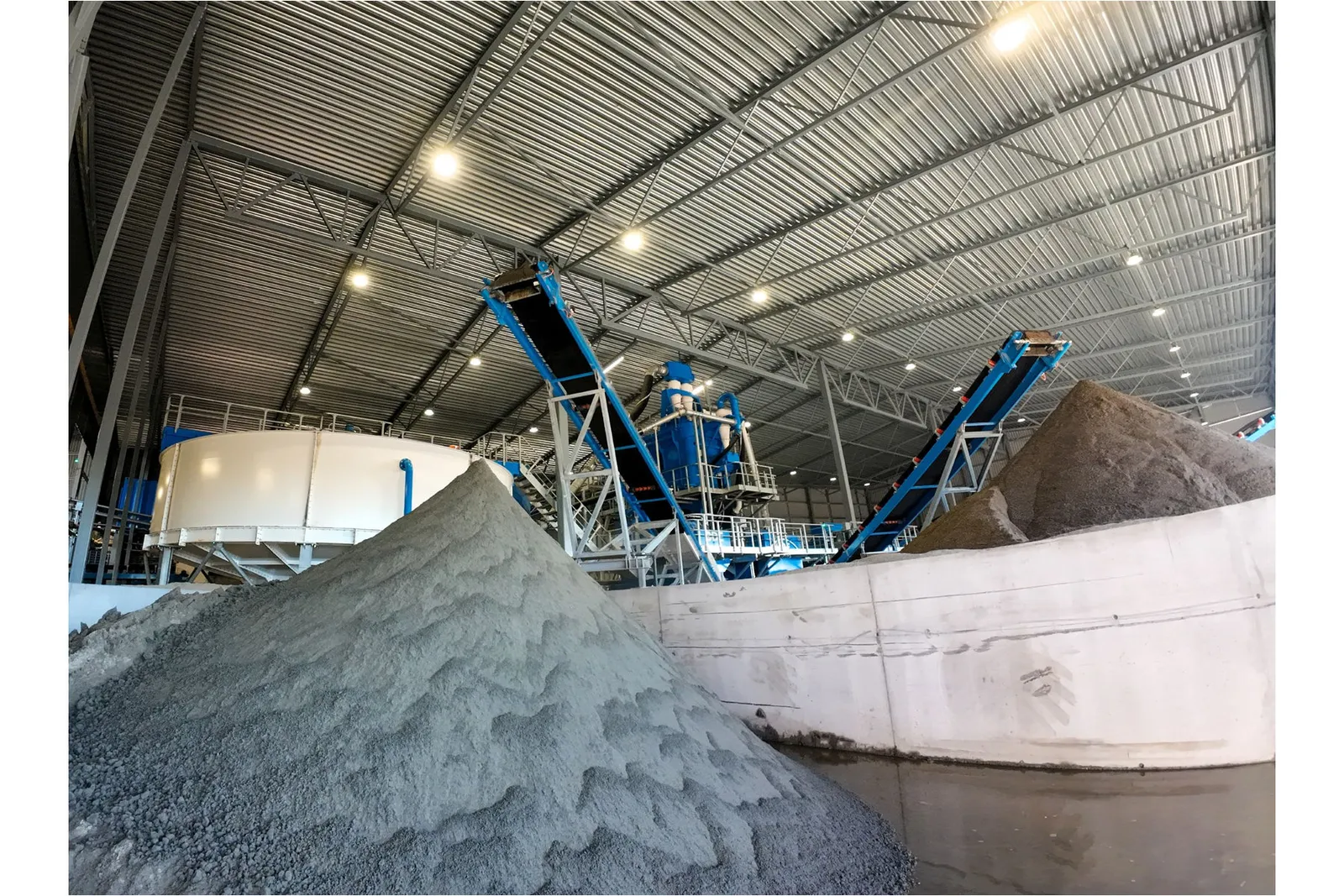
The company is recovering value from contaminated soils using advanced CDE washing technologies
Fana Stein & Gjenvinning (FSG) is transforming the management of impacted soils. Materials once destined for landfill are now being turned into high-quality, reusable construction products at FSG's wet processing plant in Bergen. Delivered in collaboration with wet processing specialist CDE and EPC contractor Nordic Bulk, the project is an exemplary model of sustainable resource recovery and environmental protection.
Originally designed to treat soils contaminated with hydrocarbons and heavy metals, the plant has evolved to meet one of the industry's most pressing challenges, after PFAS (per- and polyfluoroalkyl substances) were discovered in the incoming feed material. It now stands as an example of how infrastructure can adapt to emerging environmental threats while maintaining both environmental and commercial performance.
From landfill to recycling
Founded in 1954, FSG AS originally specialised in crushed rock processing, operating a former quarry on the site of what is now the Fana multi-purpose stadium in Rådal, south of Bergen. As the region's rock resources dwindled, the company moved into underground mining inside the Stendafjellet mountain in Rådalen. Holding a permit to store contaminated materials in 18 underground galleries in Stendafjellet, it safely disposes of around 200,000 to 250,000 tonnes of contaminated construction waste and excavation spoil each year.
FSG's move to wet processing was driven by a simple but pressing problem: too much valuable material was being lost at end of life.
"We saw huge volumes of material arriving. Material that still had value, but that went straight to landfill," explains Joar Hovda, Environmental Manager at FSG.
At the same time, tighter regulations and changing market demand were shifting expectations. A revision of the landfill permit set out the direction clearly: if materials can be recycled, they should be. Combined with growing demand for recycled aggregates from construction customers, this allowed FSG to identify an opportunity to fundamentally rethink its business, no longer just managing waste but giving it new value.
Eunan Kelly, Business Development Director at CDE, said that making better use of recycled materials reduced both the industry's waste burden and its dependence on limited natural resources.
"But the 'good' waste is becoming scarce," he warns.
"We have now reached a stage where treating more complex waste streams is absolutely necessary if we are to meet our sustainability and carbon neutrality targets in the short and long term."
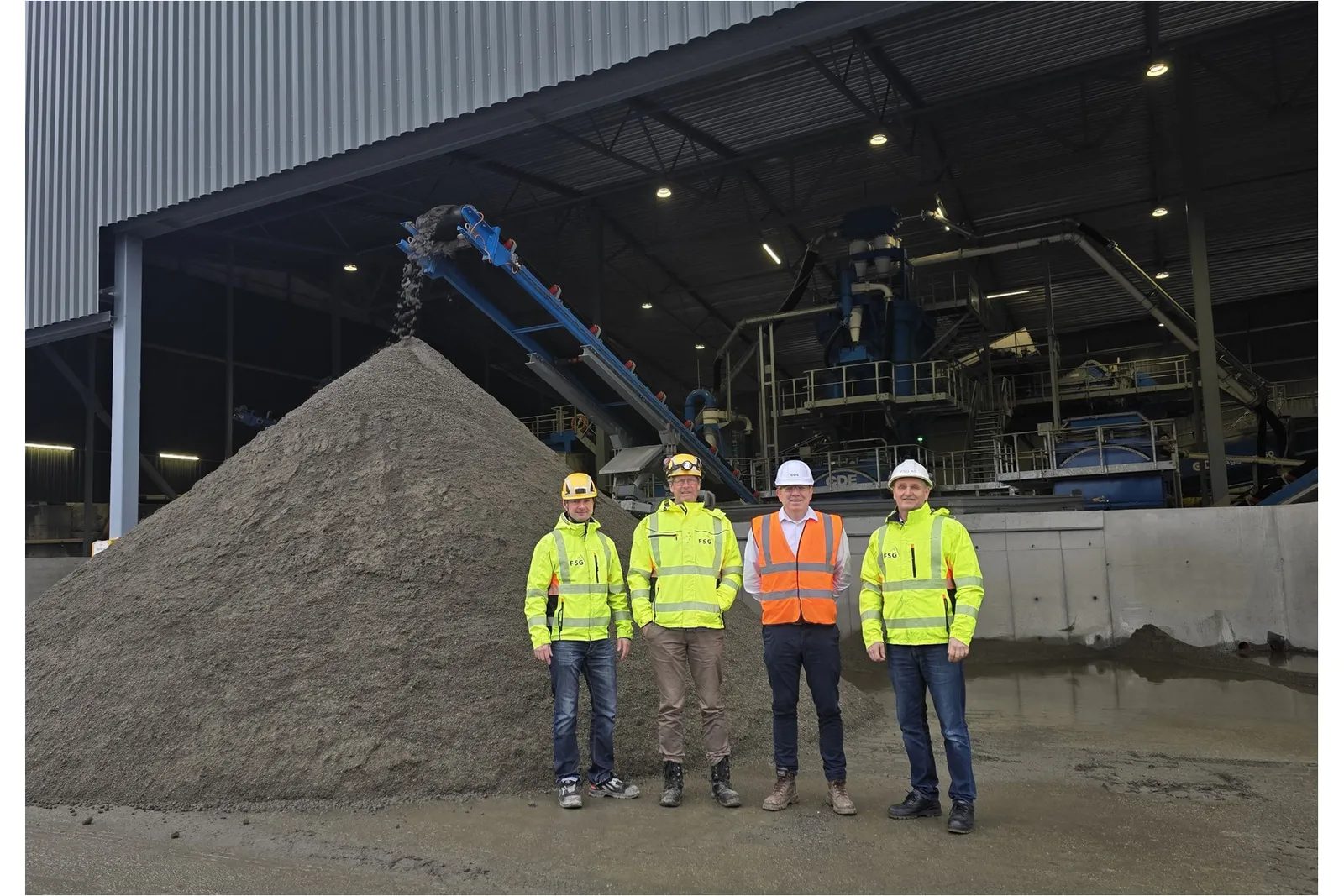
Cutting-edge technology for complex waste streams
Located just south of Bergen and partly housed in a building to reduce environmental impact, the plant incorporates a full range of CDE technologies: screening, washing, classification, organics removal and primary water treatment. Drawing on decades of experience in mining, quarrying, recycling and environmental applications, as well as in-depth knowledge of material characteristics and contaminant behaviour, CDE designed these processes to work as a single integrated system that removes as much hazardous material as possible from the sand and aggregate fractions, concentrating it in low-volume waste streams, notably clay filter cake destined for disposal at FSG's licensed landfill. The washing plant thus produces high-value construction materials that meet industry specifications while considerably reducing the volume of material going to landfill.
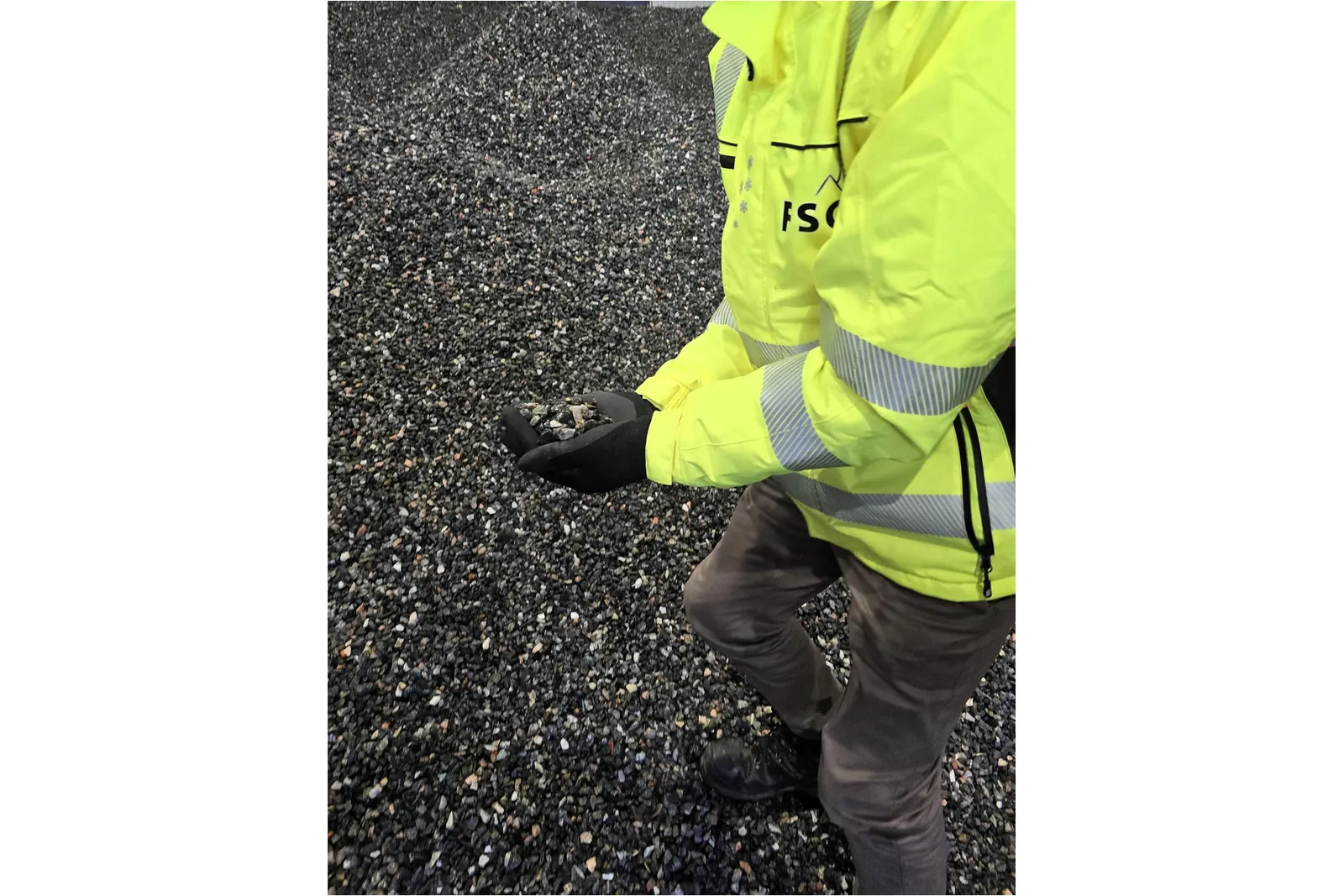
With a processing capacity of up to 120 tonnes per hour, the system recovers up to 80% of the incoming washable contaminated material as high-value sand and fine gravel, producing more than 100,000 tonnes of recycled construction materials. These products are reused in a variety of applications, including pipe bedding, drainage, structural backfill, foundation support and asphalt production, creating added value from materials that would otherwise have been lost.
The PFAS challenge: a catalyst for innovation
During its operations, FSG identified the presence of PFAS in the incoming material, a discovery that could have posed a significant operational and environmental risk.
"As soon as we started taking samples, we detected PFAS in the feed material and the process water," says Mr Hovda. "We quickly understood that this was a problem we needed to understand and manage properly."
"The behaviour of PFAS in a washing process is complex. Our extensive work on difficult waste streams has given us a thorough understanding of how PFAS behave in soil, water and clay," says Mr Kelly.
"Data from seven PFAS-contaminated soil washing plants currently operated by our customers around the world show that up to 99% of PFAS is released and separated from the recoverable fractions, and is generally concentrated in the filter cake and the water."
"For CDE, the ultimate goal is 100% decontamination. That means removing PFAS from every fraction during the process, including the clay cakes, which have traditionally been the biggest challenge. To achieve this, we have developed a solution that combines attrition, density and centrifugal separation technologies in a way that had never before been applied to PFAS decontamination. The result of several years of research, testing and operational experience, this process allows full resource recovery while optimising PFAS removal. This advance lets customers recover more clean material while reducing waste volumes and treating more heavily contaminated soils, without the risk of the clay cakes exceeding landfill contamination thresholds.
"Now that PFAS removal from sand and fine gravel has been achieved, CDE is at an advanced stage of developing a process to reduce the PFAS concentration in the filter cakes. This is a significant step forward, because it will make it possible to treat soils with higher contamination levels without the risk of the clay cakes exceeding PFAS landfill limits," reveals Mr Kelly.
Specific tests carried out by FSG confirmed the effectiveness of the treatment process. Based on a feed material containing between 5.8 and 10 µg/kg of PFAS (35), the vast majority of PFAS was removed during the washing process, with most concentrated in the clay cakes and a small proportion typically discharged in the process water.
To ensure operational flexibility and compliance with discharge requirements, FSG has installed a two-stage tertiary water treatment system, comprising a magnetic particle separator to remove heavy metals and persistent organic pollutants (POPs), followed by activated carbon filtration to remove PFAS. The system allows treated water to be discharged into the municipal sewer network where necessary, while supporting efficient water management across the site.
PFAS-containing fractions are currently managed by landfilling at FSG's licensed facility. The construction-grade fractions, by contrast, are considered clean and suitable for reuse once approved by the authorities.
Circular economy and environmental legacy
Mr Hovda said that the results achieved were below the permitted levels set by the County Governor, in the water as well as in the sand and aggregates. "This project reflects our commitment to environmental responsibility and innovation. By investing in cutting-edge treatment technologies, we are not only protecting our local environment but also setting a new standard for the management of contaminated soils in Europe."
Eunan Kelly concludes: "PFAS are one of the most complex challenges facing the recycling industry today. This project proves that, with the right technology and good collaboration, it is possible to give waste new value while supporting environmental objectives and building a sustainable business model, even with the most difficult waste streams."
Question about this story? Ask your question
Companies in this story

Keep following this
Get an email when a new story is published. No account needed.
- ThemeDecontaminating waste and soil
- SubjectNews
- CompanyCDE