












Cirrec uses STEINERT's AI-assisted sorting technology for food-grade tray recycling
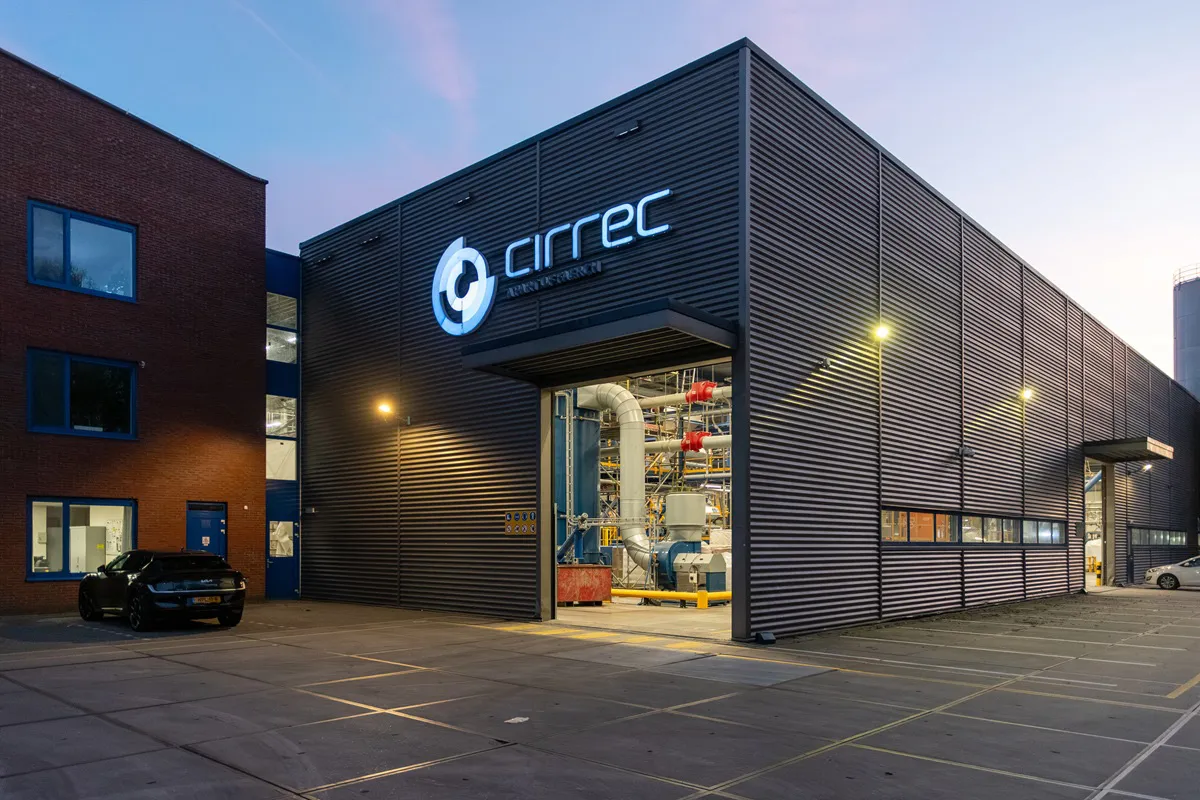
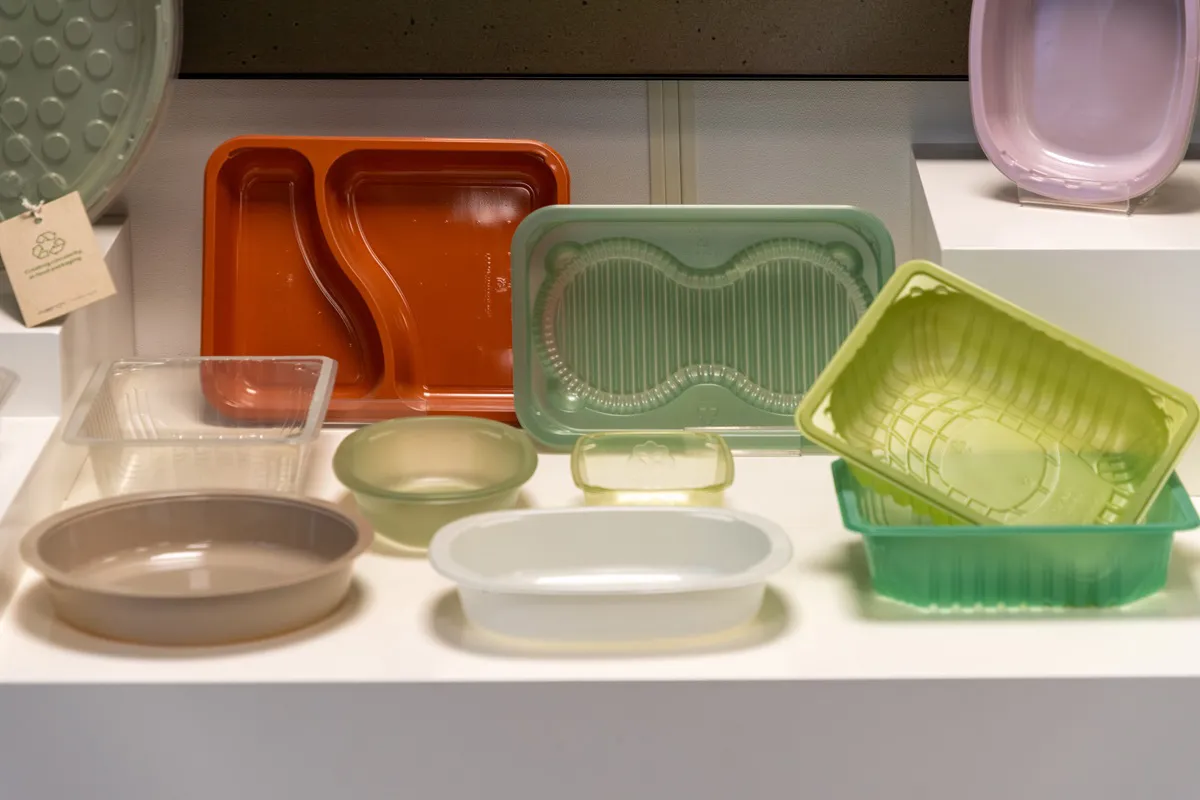
Since April 2024, Cirrec (Faerch Group) has been operating a recycling plant in the Netherlands that turns PET trays from separate collection into food-grade materials. 60,000 tonnes a year, more than three billion trays. True tray-to-tray recycling on an industrial scale. The key factor here is sorting.
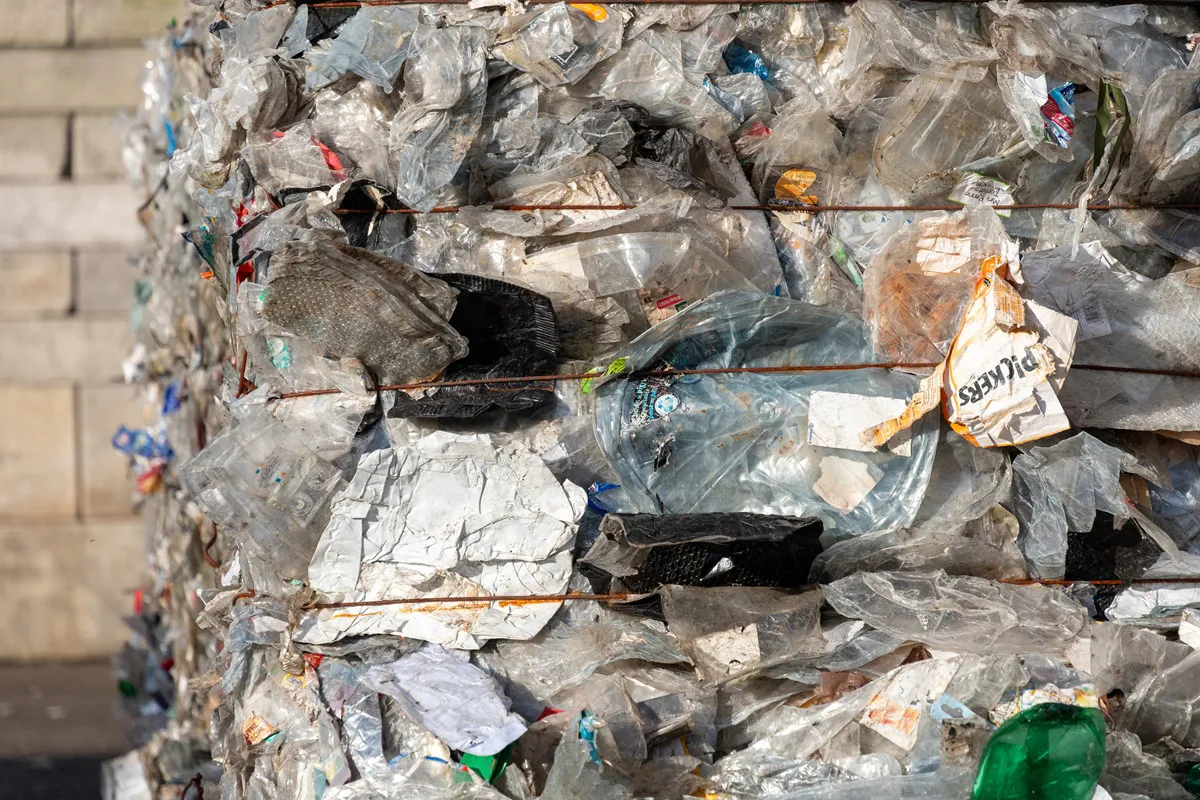
The problem: trays look alike but are different
Food-grade recycled PET is subject to European Regulation 2022/1616, which stipulates that only packaging that has previously been in contact with food may be returned to the food chain. A ready-meal tray is eligible, but a blister pack for screws is not. As both types of packaging are chemically PET, they are identical to conventional near-infrared (NIR) sorting systems.
"Food-grade recycling demands exceptional sorting precision," explains Simone Tirelli, Technical Project Director at Faerch. "With our plant, we are committed to turning plastic waste into valuable resources."
The solution: sensor fusion and AI recognition
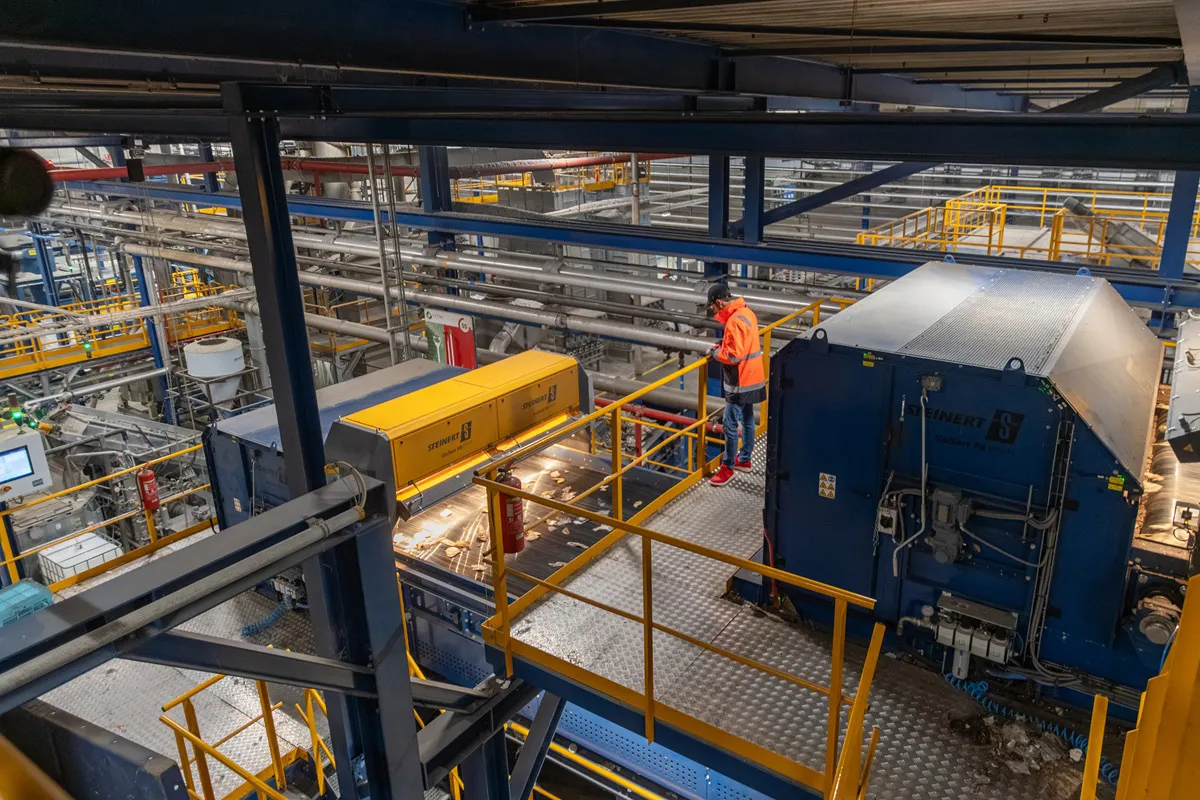
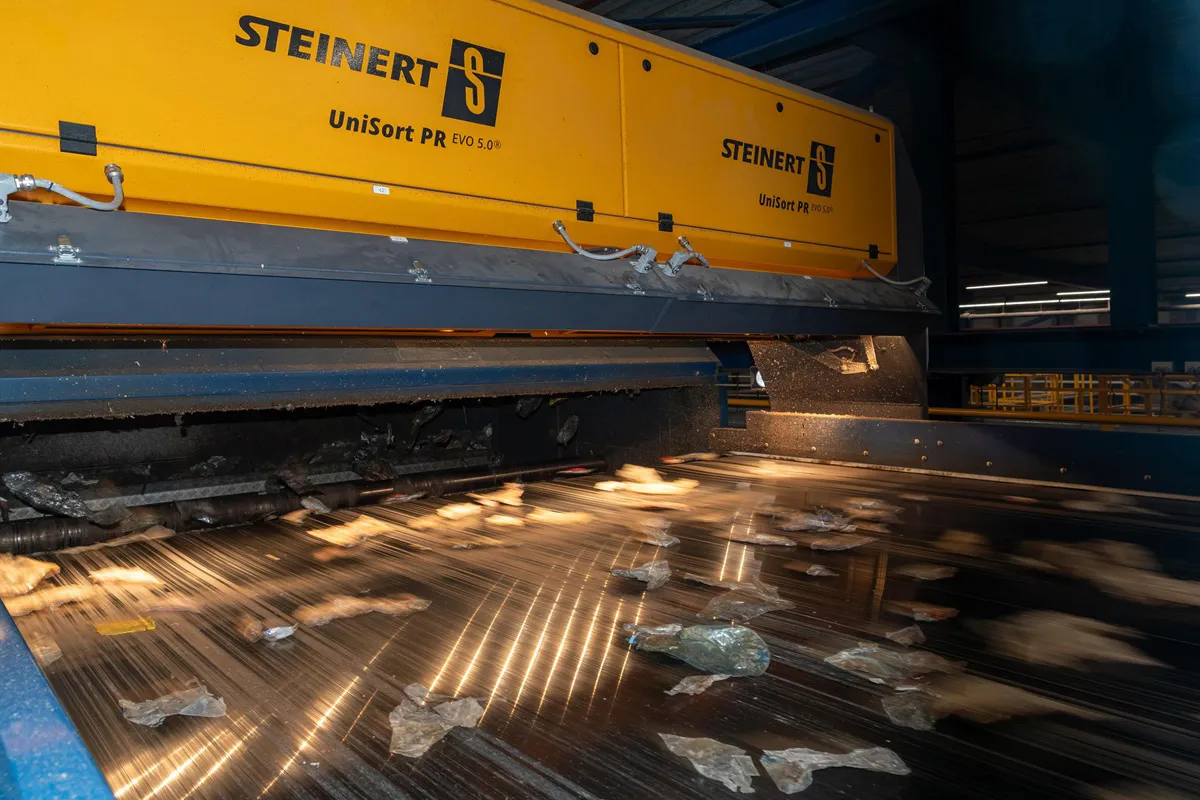
Cirrec uses three STEINERT UniSort PR EVO 5.0 systems that analyse each tray individually. These systems rely on sensor fusion: a hyperspectral near-infrared camera captures the chemical composition, while a colour camera detects visual characteristics. What sets the system apart is that both sensors are aimed at the same point on the material at the same moment. This improves the quality of the data used for AI training and, in turn, sorting accuracy.
Combining the two data streams produces the STEINERT Intelligent Object.Identifier (IOI), an AI-assisted sorting programme that, in this case, has been trained to identify food packaging. The IOI recognises characteristic profiles such as the shapes of ready-meal trays, typical prints and surface structures.
STEINERT sorting technology achieves the purity level of over 95% required for food-grade recycling, thereby creating the necessary conditions for all downstream process steps.
The process
After the bales are delivered, the material first passes through magnetic separation: the STEINERT UME overband electromagnetic separator removes ferrous metals, while the STEINERT CanMaster eddy current separator extracts non-ferrous metals. Optical sorting follows with the three UniSort PR EVO 5.0 sorting systems, then shredding, washing and conversion into flakes and pellets.
The results
The processed material is sent to the Faerch Group's production facilities, where it is made into new packaging with an average recycled content of 70%. A life cycle assessment shows that recycled PET for trays generates 57% less CO₂ emissions than virgin PET.
Cirrec is thus the only operator in the world recycling post-consumer PET trays into food-grade materials on an industrial scale. For the recycling sector, this is proof that a circular economy is genuinely possible for rigid food packaging, provided the right sorting technology is used.
A technology that evolves
The Intelligent Object.Identifier is not a static solution. The AI can be trained for new sorting tasks. If the composition of the input changes or new packaging designs appear on the market, the system can be adapted without any need to replace hardware. What works in Duiven can still evolve, showing that tray-to-tray recycling is no longer merely a pilot project.
Question about this story? Ask your question
Keep following this
Get an email when a new story is published. No account needed.
- ThemeOvercoming the plastics crisis
- SubjectNews







