












Safety gains in recycling chromium-containing waste
Texte Valérie Couplez | Photo iStock
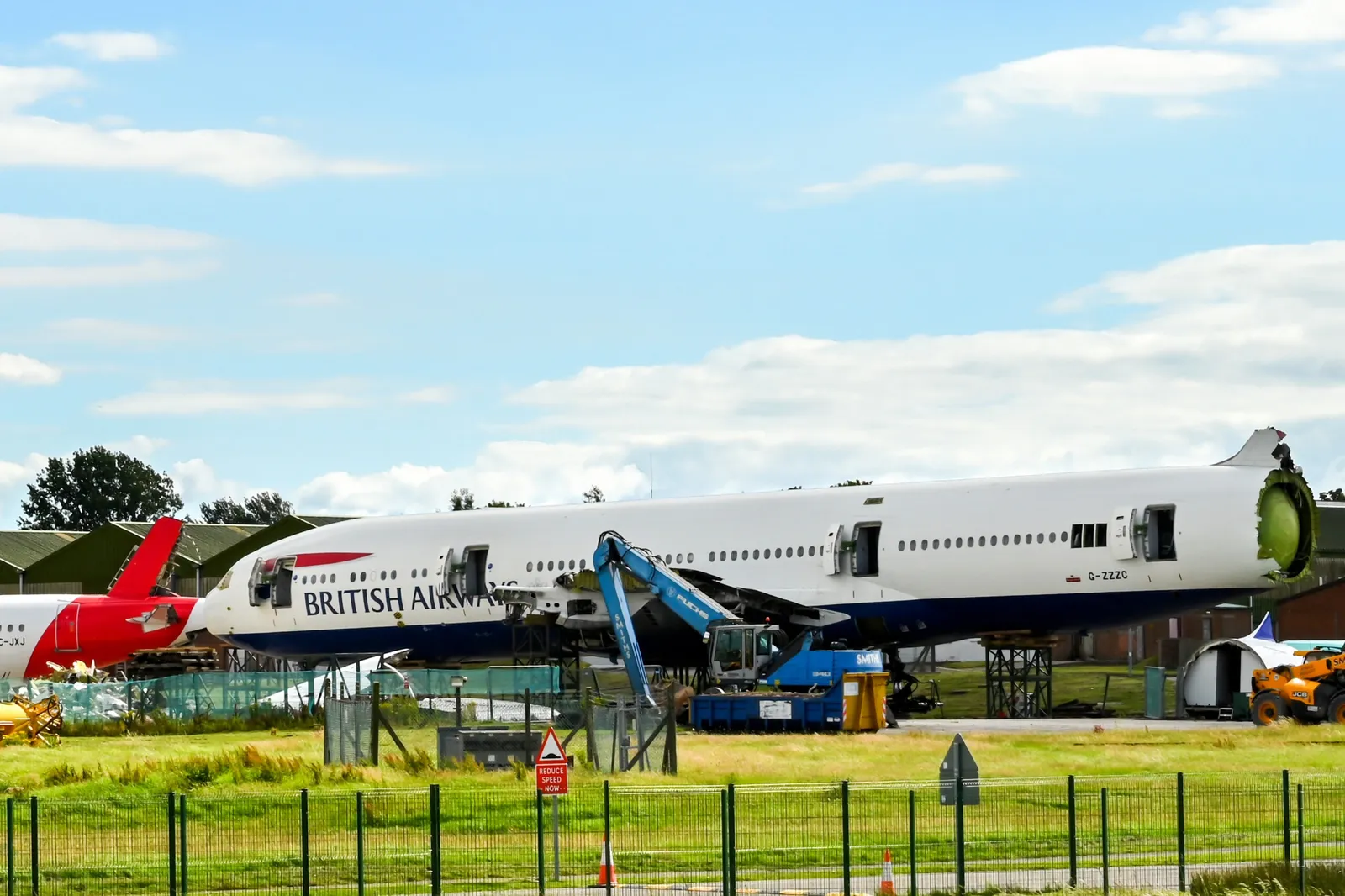
A stronger focus on safety. In the waste and recycling sector, safety is never a needless luxury. From now on, each edition of this section will highlight an initiative in which safety plays a central role. Aircraft recycling, in particular, is not ordinary scrap: it brings additional environmental and health risks because painted aluminium contains hexavalent chromium (Cr(VI)). The PANTHER project aims to develop innovative solutions that make paint removal before recycling unnecessary.
Aluminium is considered a critical raw material (CRM) in the aerospace sector because of its unique properties. The PANTHER project is a collaboration between Koninklijke NLR, SEEF BV, Aethos and industrial partner AELS. It aims to enable safer processing of painted metal waste from end-of-life aircraft fuselage structures, helping to facilitate aluminium recycling.
The presence of hexavalent chromium (Cr(VI)) in painted aluminium from end-of-life aircraft poses significant environmental and health risks. Technical and regulatory constraints currently hinder the safe handling and transport of this metal waste. This situation holds back the value chain and prevents aluminium reuse from making its full contribution to the circular economy.
To address these challenges, the PANTHER project aims to:
- identify and resolve bottlenecks in the processing of painted metal waste;
- analyse chromium in dust, airborne particles and wastewater;
- study the leaching and reduction mechanisms of Cr(VI);
- identify gaps and inconsistencies in European (REACH) and Dutch regulations.
Towards greater use of recycled aluminium
Expected results include detailed process maps, analysis reports and recommendations to minimise emissions and ensure best practice in operational safety and environmental protection.
By developing innovative solutions that eliminate the need to remove paint before recycling, significant gains can be made in safety, waste management and costs when recycling chromium-containing waste.
In the longer term, greater use of secondary aluminium will help secure the European Union’s supply, reduce greenhouse gas emissions associated with primary production and establish a compliance framework that supports a more stable aluminium value chain. These advances will benefit the aerospace, space, defence and construction sectors.
Question about this story? Ask your question
Keep following this
Get an email when a new story is published. No account needed.
- ThemeRecycling metals and vehicles
- SubjectNews







