












No need for restrictions on scrap exports
Texte Valérie Couplez | Photos iStock
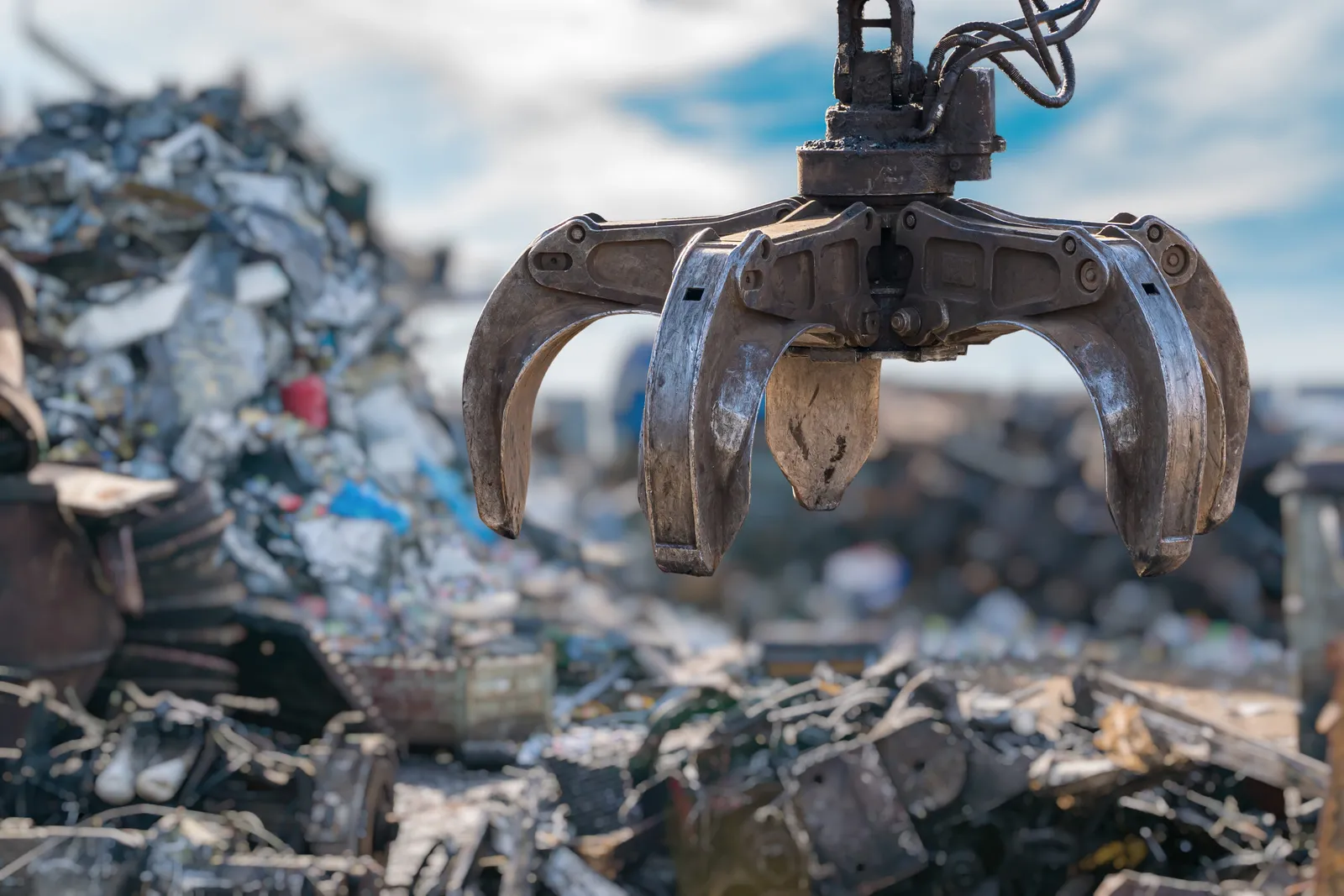
According to the European steel industry, Europe needs to restrict scrap exports. The latest version of the Waste Shipment Regulation has already partly achieved this goal. But the steel lobby is now pushing for all recycled metals to stay within Europe’s borders, on the grounds that we are currently losing too many valuable raw materials. The figures, however, clearly contradict this claim. It seems steel producers are more interested in driving down prices and securing cheap raw materials. What is exported from Europe today does not meet European demand.
No need for restrictions on scrap exports
Let us look at the figures straight away. First, let us focus on aluminium. On average, 5 million tonnes of recycled aluminium are produced in Europe each year. According to figures from Recycling Europe (formerly EuRIC, the European recycling industry federation), around 75% to 80% of this volume goes to European destinations. For steel, net exports amount to 11 to 12 million tonnes of scrap. The volumes produced by metal recyclers have remained virtually stable in recent years. What has changed is demand for recycled metals, as demand for steel has fallen. Over the past ten years, it has declined by 17% to 18%. This is partly due to lower industrial output in sectors such as automotive and construction. In reality, we are recycling more than European foundries and blast furnaces can absorb. This alone makes an export ban unnecessary.
Doing more harm than good
Moreover, export restrictions would do more harm than good. They would artificially drive down prices for recycled aluminium, putting the financial stability of the entire metal recycling sector at risk. As the green transition drives demand for new types of aluminium, recyclers will need to make considerable investments to meet these needs. This process is already under way, but possible export restrictions could slow it down or set us back several steps. The same applies to steel. And needless to say, recycled metals play a key role in achieving the decarbonisation targets set by Europe. Every tonne of recycled steel avoids around 1.66 tonnes of CO2 emissions, whatever its end use.
Only exports for which there is no demand
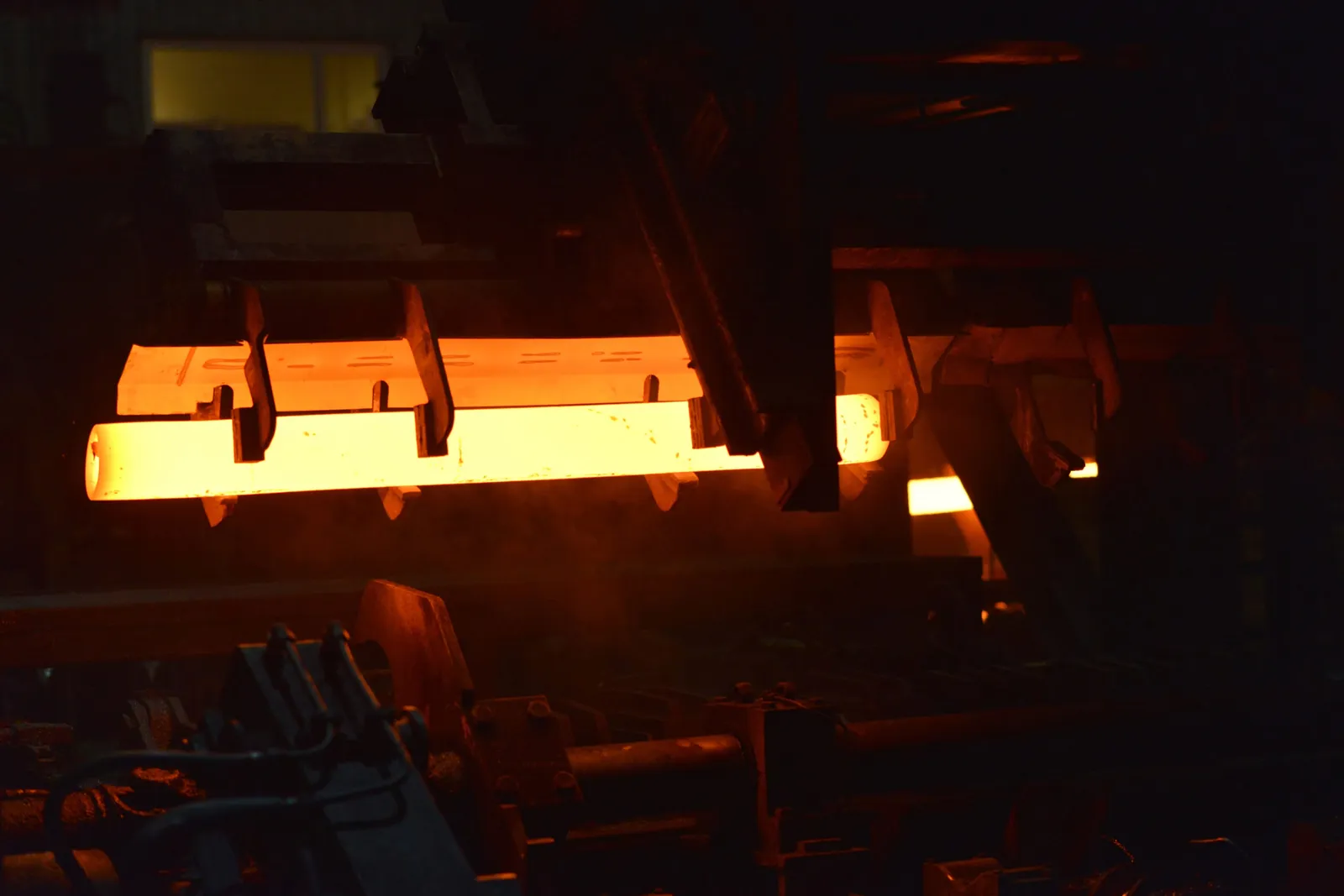
Yet European steel and aluminium producers complain of a shortage of recycled materials. They feel the green breath of Europe down their necks and should in fact be investing in electrifying their processes. But with production at their customers’ facilities being halted, these investments are not going ahead. Yet they would help to stimulate demand for recycled materials. An electric furnace can use more recycled materials and also emits less CO2. Steel and aluminium producers are now calling for guarantees that scrap will stay here so they can make their own investments pay off using cheaper raw materials. However, the material being exported today is not what they need to feed their electric furnaces. Most of it is lower-grade scrap for which there is no demand here in Europe.
Study highlights the need for a different policy
A new independent study by Ernst-Abbe-Hochschule Jena shows that restrictions on exports of recycled steel would disrupt the market and jeopardise Europe’s supply, rather than strengthen the European steel industry. The study suggests that European policy would be far more effective if it focused on structural challenges such as high energy costs, and prioritised better sorting techniques, standardised quality, certification of recycled content, and support for investment to improve the quality of recycled steel.
“No positive impact for European consumers”
A decision from Europe is expected by the end of December. For now, the final word goes to Guido Lipinski, Managing Director and lawyer at BDSV (the German steel recycling association): “The European recycling industry is globally competitive. Export restrictions would undermine this competitiveness, while diverting trade flows away from non-European markets would have no positive impact on supplies to European consumers, which are not under threat.”
Question about this story? Ask your question
Keep following this
Get an email when a new story is published. No account needed.
- ThemeRecycling metals and vehicles
- SubjectNews







