












CMR Green turns recycled non-ferrous metals in India into premium-grade products
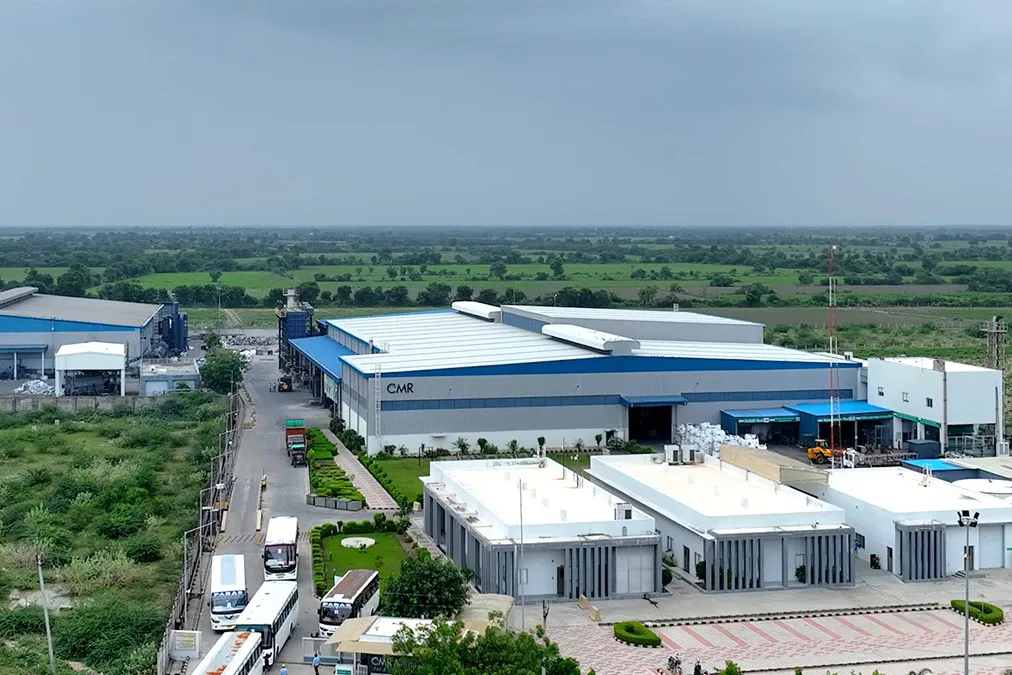
The country's largest non-ferrous metal recycler processes 600,000 tonnes of metal a year and increases value, purity and sustainability with STEINERT technology.
CMR Green, India's leading non-ferrous metal recycler, is strengthening its role as a first-class global supplier by combining large-scale recycling with advanced sorting technology and a clear sustainability mission. The company's ambition is driven by three central goals: maximising metal throughput, reducing emissions and ensuring consistent quality for customers worldwide.
For non-ferrous metal recyclers, CMR Green is a good example of how reliable sorting performance can be achieved even under the demanding conditions typical of India, such as high temperatures, dust, heterogeneous material streams and fluctuating quality.
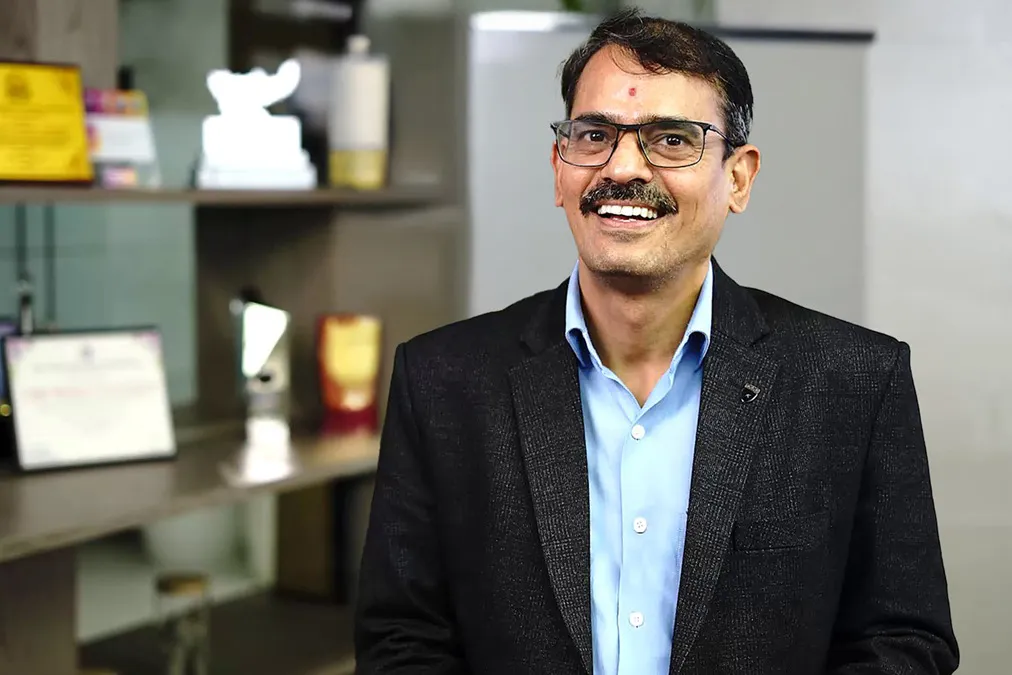
The company's latest success is built on STEINERT's sensor-based sorting systems, which enable precise material separation and high recovery rates. Ved Prakash Gupta, Vice President of Projects, explains it in concrete terms: "Innovation is at the heart of CMR Green Technology's philosophy."
Overseeing new installations and technology rollouts across India, Mr Gupta ensures that the company remains a pioneer in efficient, high-quality recycling. CMR Green now operates twelve plants in six Indian states, processing around 600,000 tonnes of metal a year to produce mainly aluminium and zinc alloys, key materials for India's automotive, construction and consumer goods sectors, which drive the country's circular economy.
Technology partnership with STEINERT
In a competitive market where sorting quality determines profitability, the collaboration between CMR Green and STEINERT has played a decisive role. "With STEINERT's induction sorting machines, X-ray sorting machines and eddy current separators, we are able to manufacture products of consistent quality under Indian conditions, and this has added real value to our revenues," explains Ved Prakash Gupta. The partnership has not only improved product purity, but also strengthened the company's operational stability and sustainability indicators.
As an example of how the process works: first, the eddy current separators efficiently recover the non-ferrous metals, then X-ray transmission (XRT) technology separates the aluminium by density, while the induction sorting system enriches the stainless steel or copper cables. This combination ensures purity and high recovery rates while reducing manual labour and energy consumption.
Pradeep Kumar, Project Manager and head of equipment and optimisation, highlights similar benefits from an operational perspective: "The value STEINERT creates lies in supplying advanced technologies that reduce manual sorting, limit human error and improve productivity." He stresses that automation and precision also improve safety and stability in the workplace, an important factor in large-scale recycling operations in India.
A partnership proven in the test centre
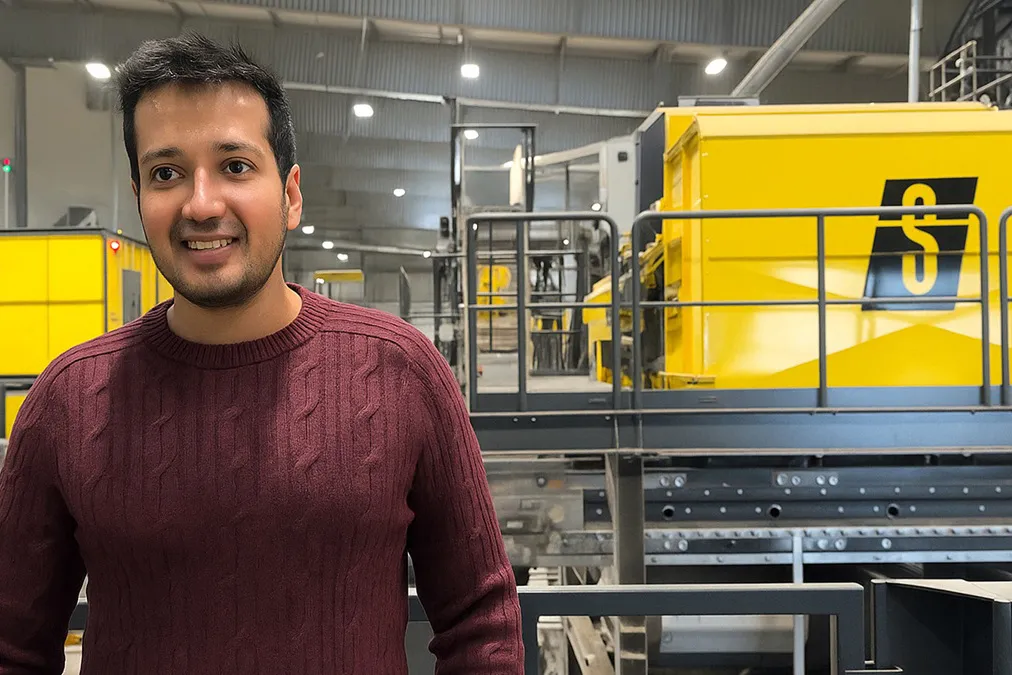
Before investing in the latest sorting technologies, CMR Green's project managers visited STEINERT's test centre in Germany to test materials and assess system performance under real-world conditions. "Our team visited the STEINERT test centre and was impressed by the facilities," recalls Pradeep Kumar. "After the tests, we decided to buy the XRT systems." The decision was backed by director Raghav Agarwal, who took part in the tests himself: "The scale and efficiency of STEINERT's test centre are truly impressive," he says. "Their engineers went beyond expectations to help us understand the technology and the possibilities it offers."
Sustainability at the heart of a fast-growing market
India's recycling market is booming. CMR Green is continuously upgrading its technologies to meet demand. "We see end-of-life vehicles (ELVs), demolition waste and consumer electronics as the main drivers of the recycling industry in India," says Ved Prakash Gupta.
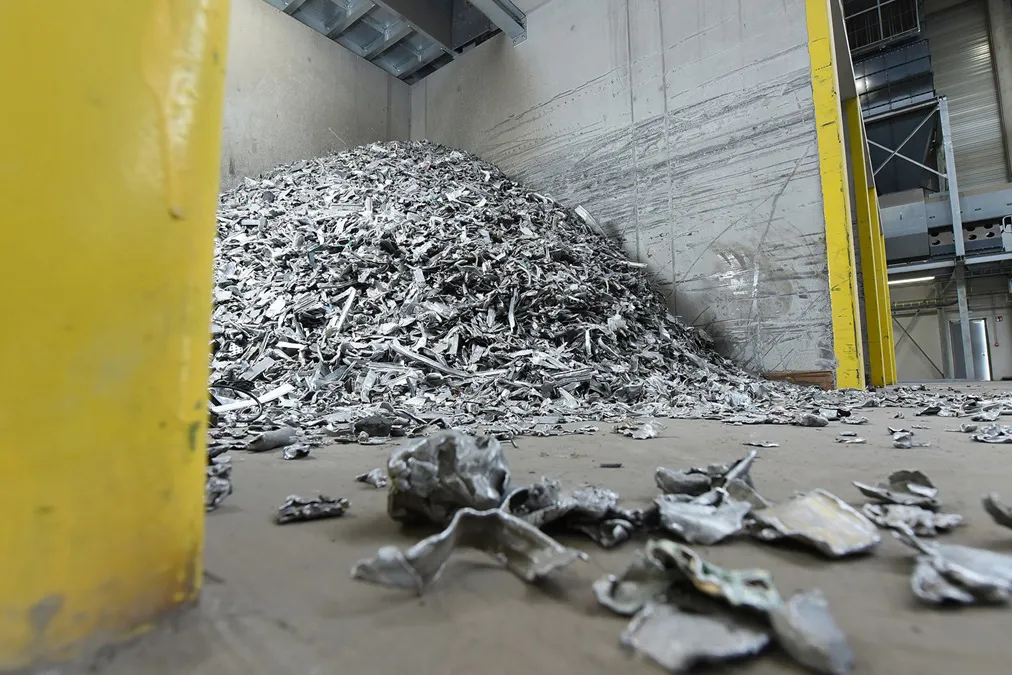
He also emphasises an equally important subject: sustainability, which is more than just a goal and forms an integral part of CMR Green's business model. By recycling aluminium and stainless steel into high-quality secondary alloys, the company saves up to 95% of CO₂ compared with primary production.
As Ved Prakash Gupta explains: "The better we sort, the more sustainable our business becomes. By recycling secondary metals, we not only support India's industrial growth, but also reduce its environmental footprint."
Innovation with a purpose
Through this continuing partnership, CMR Green and STEINERT demonstrate that technological excellence and environmental responsibility can go hand in hand. The collaboration shows that investing in advanced sorting systems is not only about improving efficiency, but also about promoting sustainable production in the future.
As director Raghav Agarwal sums it up: "STEINERT's technology reinforces our confidence in the path to follow for a circular economy in India. Precision, stability and efficiency: these are the qualities that help us grow sustainably."
Question about this story? Ask your question
Keep following this
Get an email when a new story is published. No account needed.
- ThemeRecycling metals and vehicles
- SubjectNews







