Near-seamless traceability of industrial packaging waste
Texte Valérie Couplez | Photos Valipac
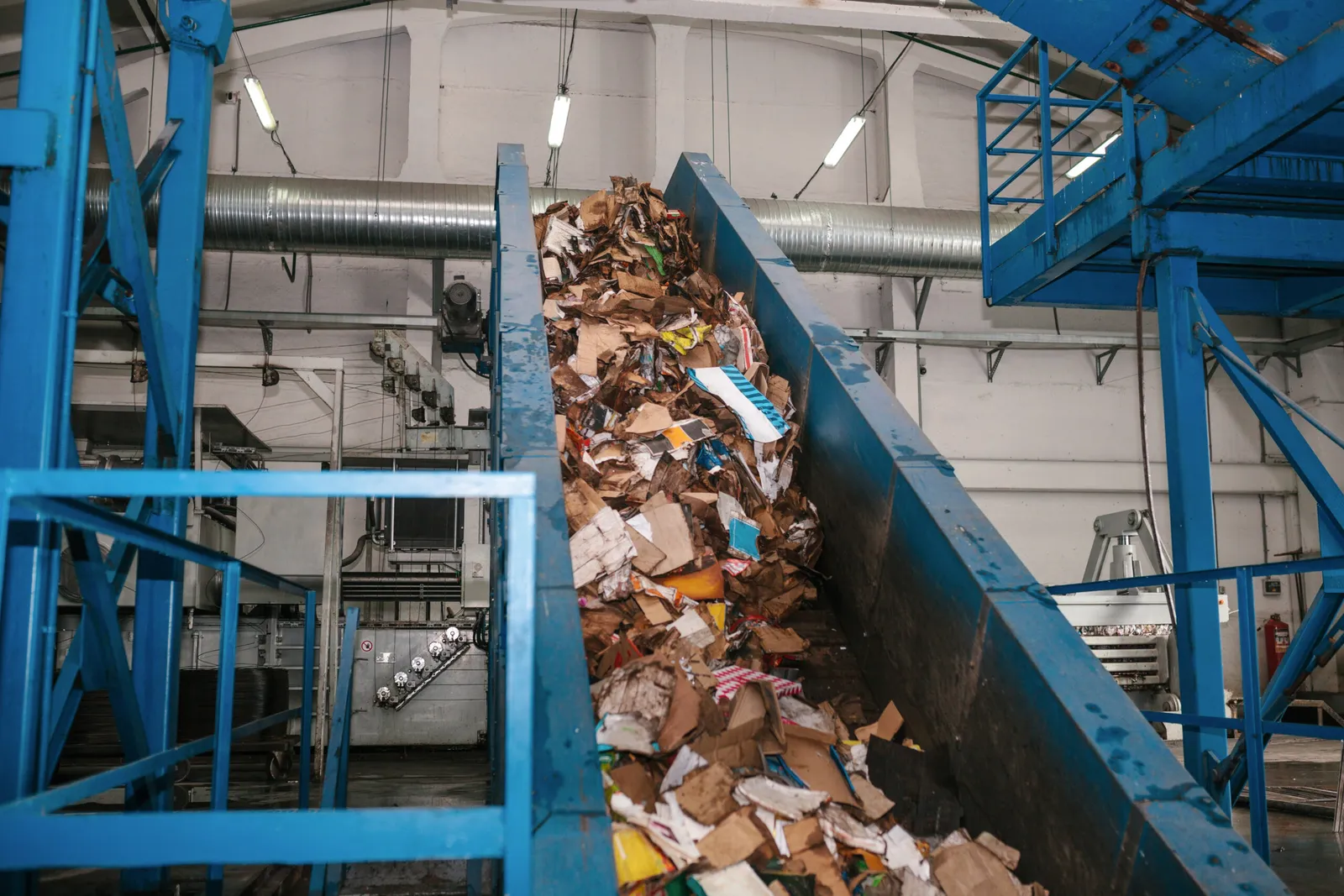
Plastic packaging under the microscope
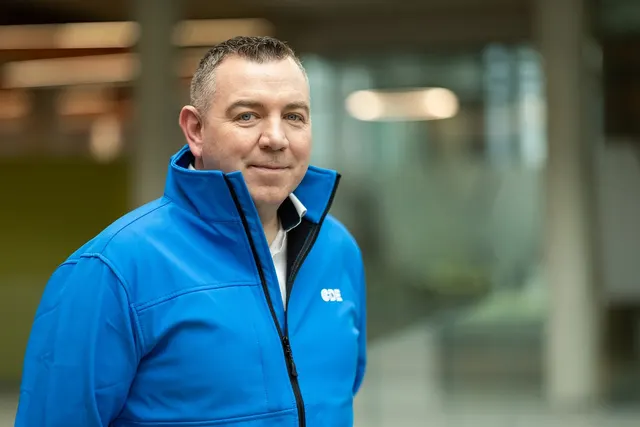
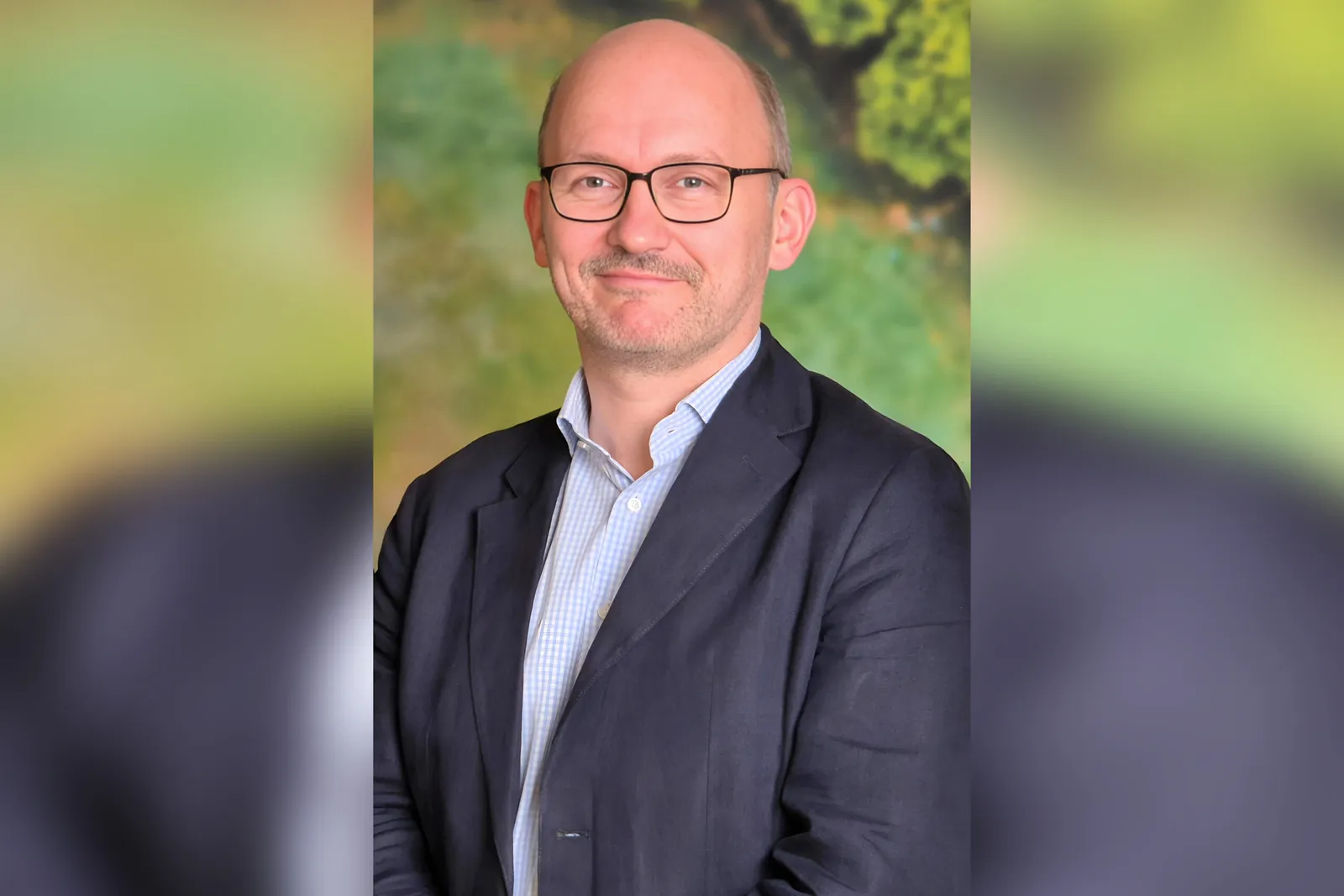
Every year, Valipac publishes its data on the traceability of industrial packaging. Once again, the organisation provides a very clear overview of the final destination of waste. Xavier Lhoir, deputy managing director of Valipac, presents the main results for paper/cardboard and plastic, and sketches a broader picture of the many new pieces of legislation about to arrive.
Near-seamless traceability of industrial packaging waste
Valipac has identified the destination of 98% of the cardboard collected from businesses. "In total, 472,000 tonnes are sent to 131 unique destinations. That is the same result as last year. But we do see some changes. Recycling in Europe has risen by 2.6%. This increase came mainly at the expense of the volume that previously went to Asia (-2.1%) and is explained by developments in e-commerce," explains Xavier Lhoir.
Shift towards Turkey
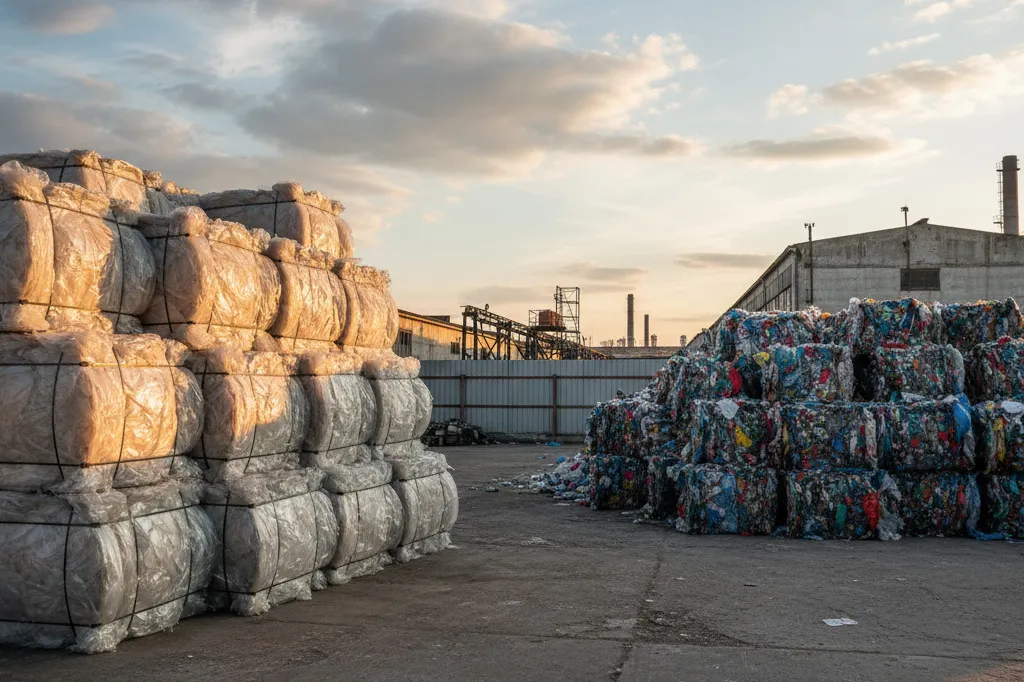
Valipac carried out the same exercise for plastics. "Here too, we can identify the final destination of 98% of the packaging waste collected, or 69,000 tonnes. It is mainly the small players that are missing from the picture. We are pleased to note that the volume going to recycling is higher than in 2023. In Europe, the situation remains stable for now. However, we see that Turkey has gained popularity as a destination. Because of changing legislation in Asian countries, exports to Turkey have risen by 6%." Xavier Lhoir is referring to the new permit procedure in force in Malaysia and the conditions that Vietnam now imposes on imports of recycled materials. "A lot is changing in the current context. The entire global economy is in flux."
Impact of the export ban
But in Europe too, legislators are not standing idle. "Europe's aim is to create a legislative framework that allows plastic waste, which is in itself a new raw material, to be recycled locally, within its own territory. The ban on exporting plastic waste to non-OECD countries, which comes into force in November 2026, is one of the pillars of this strategy. We expect the first effects to be felt as early as spring, unfortunately with an increase in processing costs. And this in a market context that is already very difficult for plastics recyclers: virgin plastics are currently very cheap because of low oil prices. Recycling companies cannot compete with that. Their energy and labour costs have only risen over the past year. Without support, and without an obligation for companies to use recycled content in their packaging, the situation will therefore become even more difficult. And that obligation will only arrive in 2030, with the introduction of the PPWR," explains Xavier Lhoir.
Pilot project with big bags
Xavier Lhoir cites the example of big bags. These account for a volume of 6,000 tonnes in the recycling figures. "94% are recycled in Asia. It is a material that still has a small positive value today, but probably will not next year. What will we do with these 6,000 tonnes then?" Valipac has already sought a preventive answer to this question, working with the entire chain. "We have contacted polypropylene recyclers, polypropylene being the material big bags are made of, in order to find local recycling solutions. Over the coming months, we want to run tests to determine how to process, in a technically and economically viable way, the lower grades that are currently exported, and what financial support is needed for this."
Working together for a strong recycling industry
Valipac's mission is clear. "If we want to reach our recycling targets, we must keep our plastics recycling industry alive from today. It will only be able to stand on its own two feet once the PPWR applies and demand for recycled materials, and therefore their value, rises again. Otherwise, we risk losing a great deal: if it costs businesses too much, they will no longer make the effort to separate their plastic streams. Yet quality recycling starts precisely with good sorting at source. I firmly believe that the quality delivered by our recycling companies is among the best. We believe that post-collection sorting will allow us to send more clear film to mechanical recycling. Valipac is also looking for recycling solutions for coloured films. By working together, we arrive at truly circular solutions," concludes Xavier Lhoir.
A business enquiry for VAL-I-PAC? Get in touch
Companies in this story
Keep following this
Get an email when a new story is published. No account needed.
- ThemeOvercoming the plastics crisis
- SubjectWaste streams
- CompanyVAL-I-PAC