Save Belgian plastic recycling or the circular economy will collapse
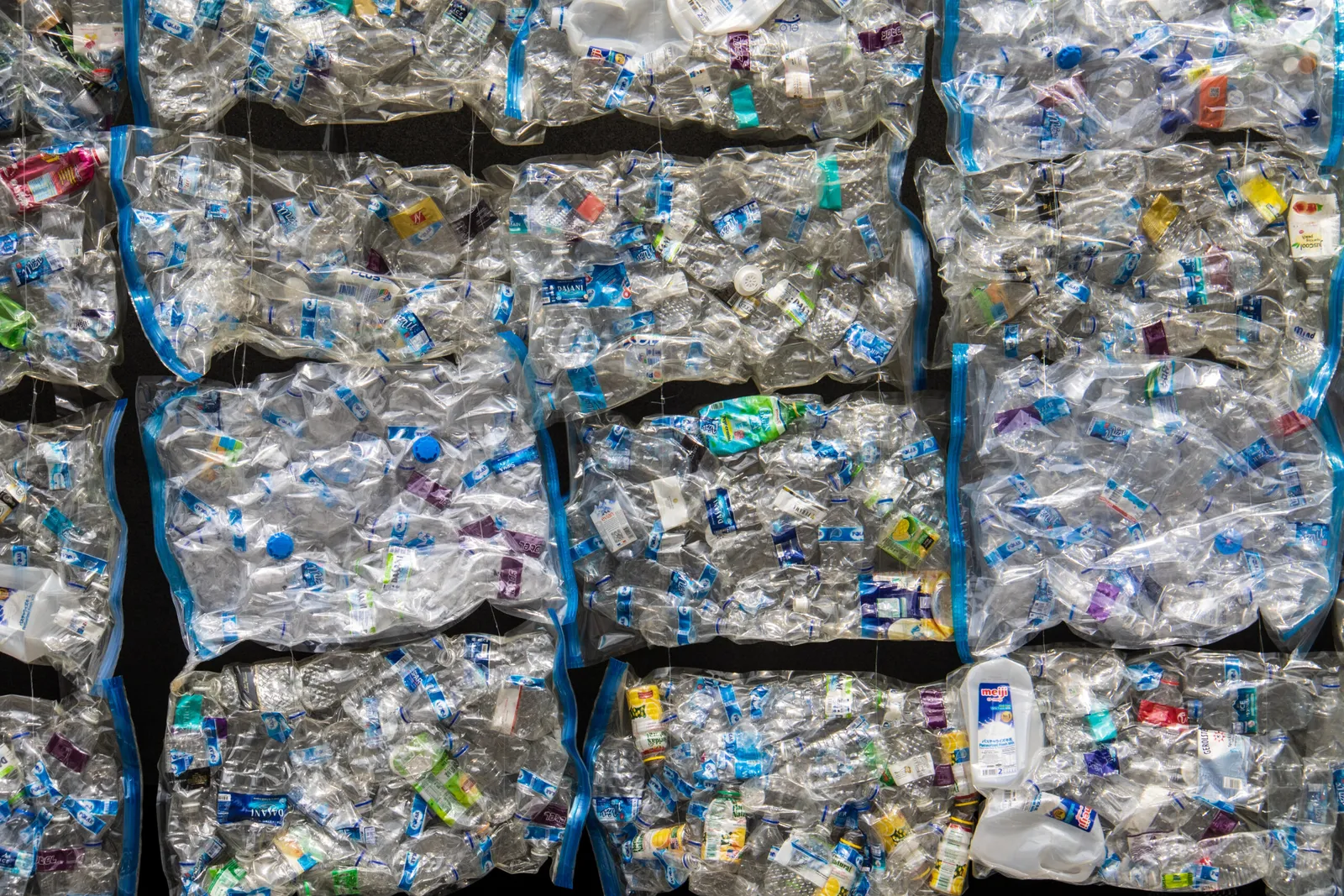
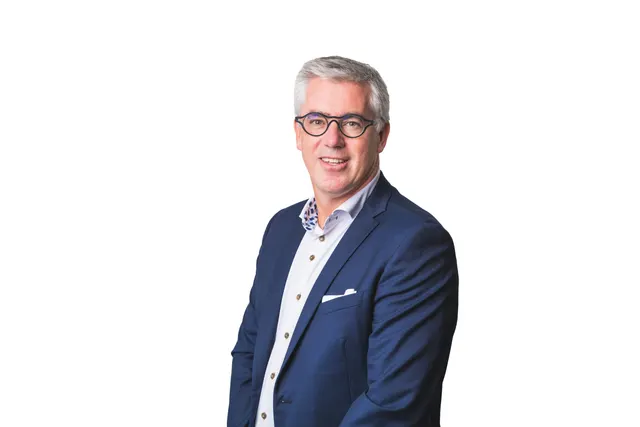
The plastics recycling sector is in a desperate situation. With virgin plastic prices at historic lows, demand for recycled plastic materials has collapsed. As a result, recycling companies are seeing their margins disappear, investment has ground to a halt and several recycling plants may have to close. “Without swift action, we will lose jobs and our country’s circular future,” warns Aarnout Ecker, CEO of Denuo.
Recycling companies under pressure
Competition from cheap virgin plastics, whether produced in Belgium or abroad, is pushing plastic recycling companies to the brink. They face high energy and labour costs, while virgin plastic producers can count on favourable support measures. On top of this, cheap recycled plastic is being imported from third countries, sometimes with no way of tracing its origin. “We are facing the perfect storm: the difficult market situation is forcing our companies to cut capacity today, putting us at risk of not having enough recycling capacity to meet European targets tomorrow,” says Aarnout Ecker.
Five priority policy measures
Denuo is calling on policymakers at every level to act now. The sector proposes five measures:
- Accelerate the mandatory use of recycled plastic in products to strengthen the circular economy in Belgium, meet the recycling quotas set out in the European Packaging and Packaging Waste Regulation (PPWR) and significantly reduce CO2 emissions from plastic.
- Ensure a level playing field by giving recycling companies access to the same energy benefits and support measures as virgin plastic producers.
- Introduce targeted trade measures, such as import duties and stricter monitoring of virgin and recycled plastic imports, to tackle dumping and greenwashing.
- Introduce incentives to develop markets, including through green public procurement and long-term contracts that guarantee a market for recycled plastic.
- Recognise recycling as a strategic sector by speeding up permit procedures, supporting innovation and providing access to European and Belgian support funds.
“We are not asking for preferential treatment, just a level playing field,” stresses Aarnout Ecker. “Today’s recycling companies produce tomorrow’s raw materials. Without structural support, Belgium risks missing a unique opportunity to become a key player in the circular economy. The choice is simple: either we protect our recycling companies and jobs, or we hand the circular economy over to foreign players.
“Plastic has its supporters and its opponents, but given its many advantages, this material will always be part of our economy,” continues Aarnout Ecker. “Anyone seeking to tackle it sustainably cannot do without recycling. It is still complex today, which is only logical for a rapidly developing sector, but clear progress is being made. Innovations in recycling and design for recycling offer a way forward. We have a plan to get there, but further political support will be needed!
The full action plan, including its concrete proposals, is available at denuo.be/positions.
Question about this story? Ask your question
Keep following this
Get an email when a new story is published. No account needed.
- ThemeOvercoming the plastics crisis
- SubjectDenuo