












The impact of European legislation on paper, cardboard and plastics
Texte Valérie Couplez | Photos Valipac
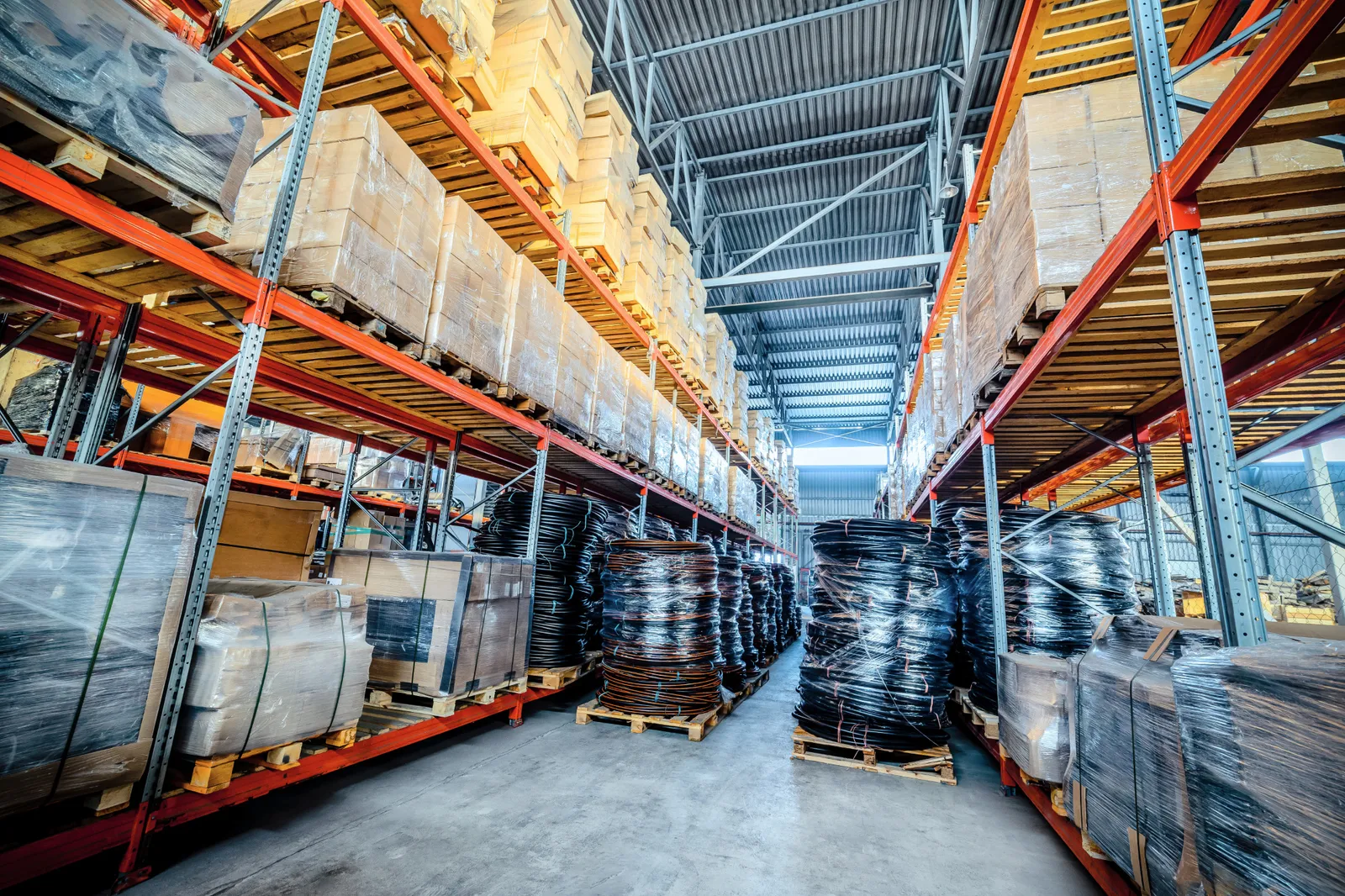
Numerous new European regulations that will have a profound impact on the recycling sector will come into force in the short to medium term. Not only will supply and demand change, we are also on the verge of a transformation in the way we collect, sort and recycle packaging waste on an industrial scale. Xavier Lhoir, deputy managing director of Valipac, describes the future in which Valipac intends to continue establishing itself as a trusted partner.
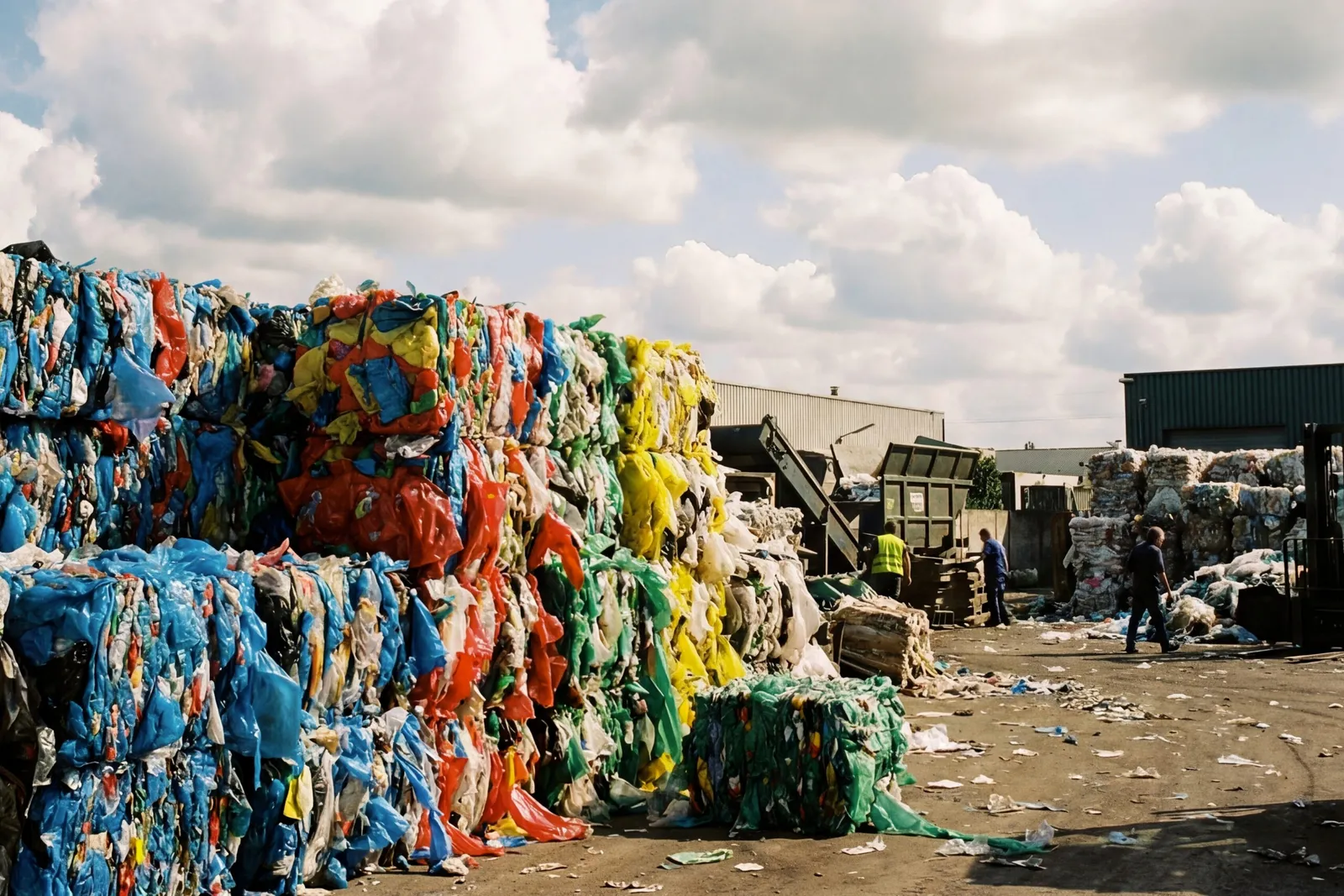
The next legislative steps concern the Waste Shipment Regulation. “Everyone has their eyes on November, when plastic waste will no longer be allowed to be exported to non-OECD countries. But we will feel the effects on the European market well before then,” Xavier Lhoir warns at the outset. “A notification requirement will apply from May, in fact. We believe low-value plastic streams will be the most affected. With this in mind, Valipac launched a market exploration in February to develop partnerships and ensure local recycling for big bags. The organisation hopes to announce partners for this in July.
Partner of choice
“For other streams, such as coloured materials, we are currently waiting to see how the market develops after the export ban. If it turns out that the market value of other materials also fails to remain positive, we have several scenarios in mind to drive change. Through initiatives like these, we want to establish ourselves as a partner of choice for all stakeholders in the industrial packaging waste value chain. Our aim is to meet the recycling targets imposed on our clients as efficiently as possible. At the same time, we also want to remain a preferred partner for collectors. We need everyone on board to restore positive market momentum as quickly as possible,” Xavier Lhoir says.

The definition of a producer is changing
The entry into force of the Packaging and Packaging Waste Regulation (PPWR) could act as a catalyst in this respect. From 2030, it will set specific, mandatory targets for recycled content. For transport packaging, for example, the target is 35%. “We expect supply and demand for recycled materials to return to a better balance as early as 2028 or 2029.” This is a development the plastics sector in particular urgently needs today. But this is not the only impact the PPWR rules will have. “They also change the definition of a producer,” explains Xavier Lhoir. He immediately points to rigid packaging such as pallets, which are also subject to reuse targets. “Today, Belgian companies that use them are considered producers. A food company such as Coca-Cola therefore declares all the pallets it uses to us. Under the PPWR, pallet manufacturers and repairers based in Belgium will also be partly affected, in respect of the quantities sold in the Member State where they are based. They will have to report to Valipac the number of pallets they supply to Coca-Cola (Belgium) and pay the corresponding contribution. It is going to become a real headache,” Xavier Lhoir predicts.
Fewer materials, different materials
In addition, the volume of industrial waste must be reduced, notably through greater reuse of plastic, wood, paper, cardboard and metal in transport packaging. A third requirement under the PPWR concerns the recyclability of packaging. The precise definition of this concept has not yet been finalised. It is already clear, however, that Valipac, as a compliance scheme, will have to introduce a more ambitious eco-modulation system in its fee structure. Producers will therefore have to be able to demonstrate that their products are recyclable. “If we took a snapshot of the market for single-use and reusable industrial packaging waste today, and another in 2030, they would be fundamentally different in terms of volume and composition. The market is underestimating the impact and knock-on effects across the entire value chain. That is why, through this publication and our own newsletters, we are trying to raise awareness of the issue. As mentioned, we want to position ourselves as a reliable partner and are open to discussing the practical consequences for all stakeholders,” Xavier Lhoir concludes.
Question about this story? Ask your question
Keep following this
Get an email when a new story is published. No account needed.
- ThemeOvercoming the plastics crisis
- SubjectNews







