No circular economy without “safe sinks”
Texte DENUO
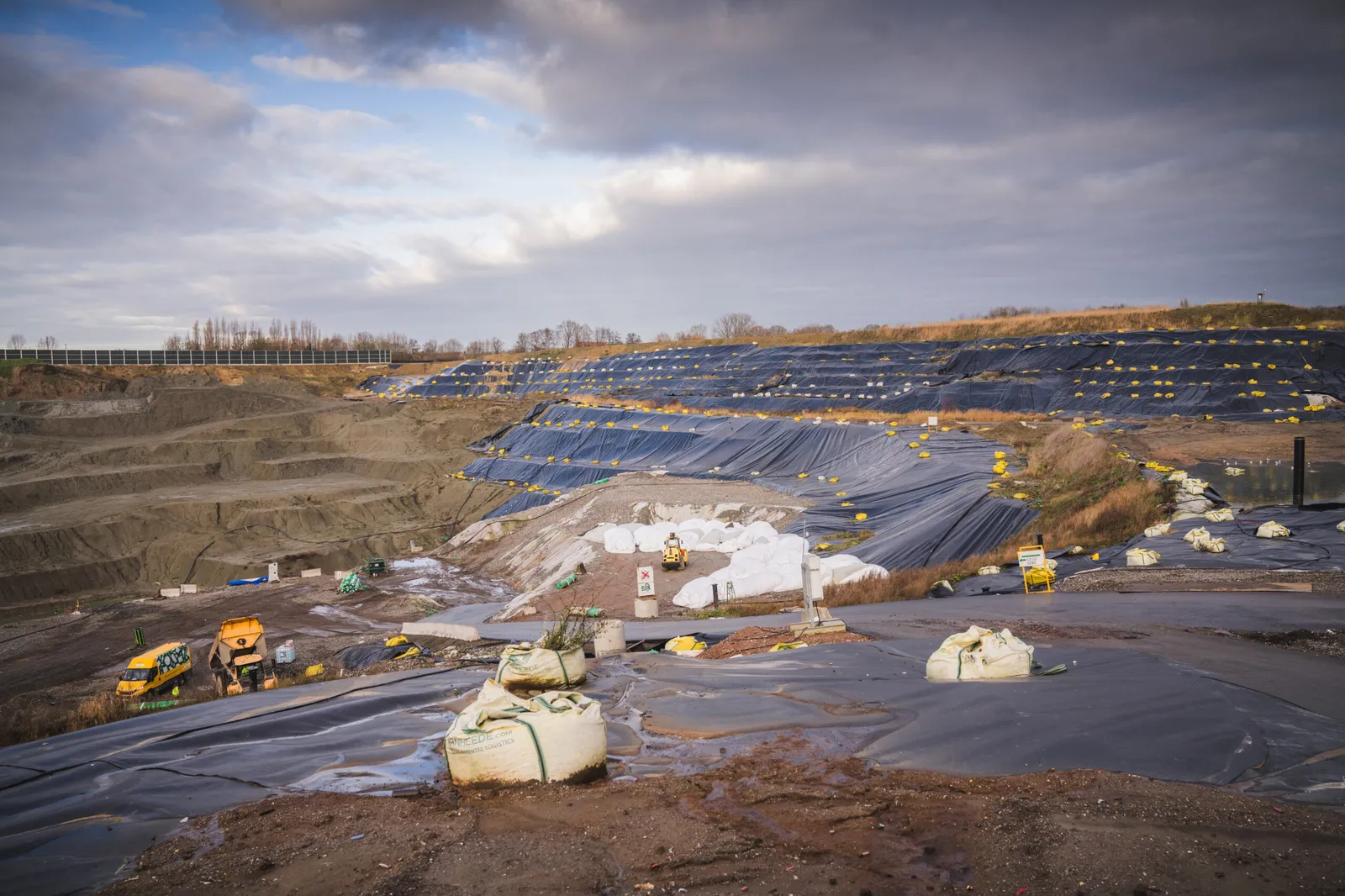
As the circular economy takes shape as a pillar of European environmental policy, a key question arises: what should be done with materials that can no longer be recycled or contain hazardous substances? Behind the ambition to keep resources in the economy for as long as possible lies a reality that is often less visible: some waste streams must be permanently removed from the cycle. To ensure both material circularity and environmental protection, safe and effective disposal solutions, known as “safe sinks”, are essential.
The transition to a circular economy is now a priority for Europe. Legislative initiatives such as the Industrial Accelerator Act, the Circular Economy Act and the European Ecodesign for Sustainable Products Regulation (ESPR) aim to keep materials in the economy for as long as possible. The objective is clear: to reduce Europe’s dependence on foreign raw materials and limit the climate impact of our resource consumption. At the same time, the European Union is pursuing ambitious environmental objectives. The Water Framework Directive aims to achieve good ecological status for all European waterways by 2039, while the “Zero Pollution” Action Plan aims to reduce air, water and soil pollution to levels that are not harmful to health and ecosystems by 2050.
These two trends can, however, create tension. On the one hand, we seek to keep materials in circulation for as long as possible. On the other, some substances prove hazardous to the environment or human health, sometimes years after being placed on the market, and must be removed from the economic cycle. The crises linked to PFAS and the persistent legacy of asbestos clearly illustrate this challenge.
Three essential dimensions
“Safe sinks” are secure final disposal solutions for certain non-recyclable fractions, contaminated waste streams or some medical waste. Their purpose is to prevent unwanted substances from re-entering the economy.
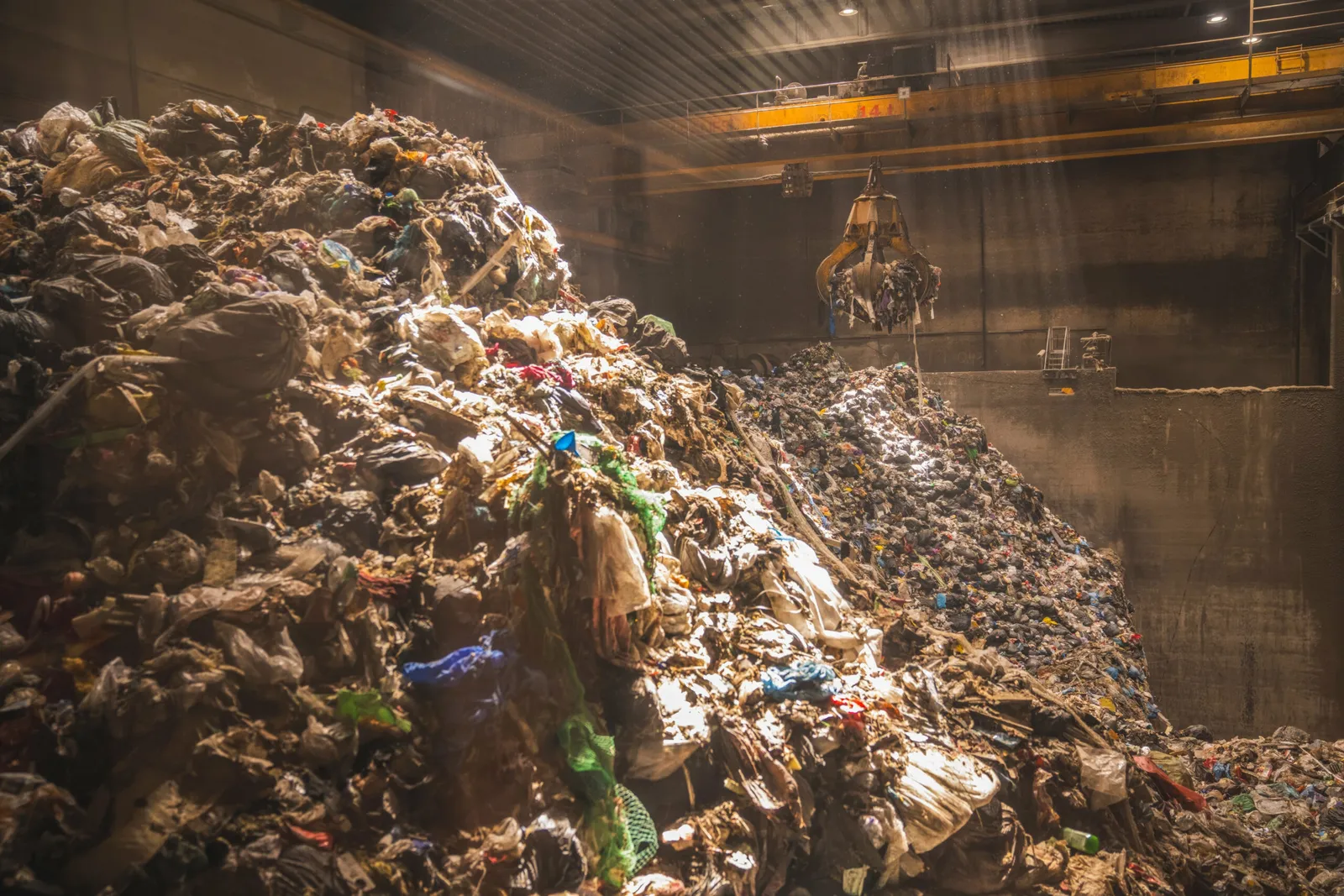
Three dimensions are essential.
The first is capacity. Sufficient capacity must always be available. Even in a high-performing circular economy, non-recyclable residues will remain.
The second is quality. “Safe sinks” must be highly specialised facilities that ensure hazardous substances are captured or destroyed under strictly controlled conditions. They therefore provide an essential safety net for the credibility of the entire recycling chain.
The third is performance. Once capacity and quality are secured, the best-performing solutions should be encouraged. Performance combines energy efficiency, a limited climate impact and maximum material recovery wherever this remains possible.
Current developments confirm the need
Recent developments show that this infrastructure remains essential. In Belgium, the volume of waste destined for landfill has increased in recent years, particularly due to PFAS contamination or the presence of asbestos in buildings. Several million tonnes of asbestos are still estimated to be present in buildings. Meanwhile, some recycling streams, such as agricultural plastic film, are now developing largely outside Europe. Increasing restrictions on waste exports will require more waste streams to be treated within Europe, which will also generate additional residues.
Ensuring sufficient capacity, uncompromising quality and high performance from “safe sinks” is therefore essential to securing both the credibility of the circular economy and the long-term protection of the environment.
Question about this story? Ask your question
Keep following this
Get an email when a new story is published. No account needed.
- ThemeDecontaminating waste and soil
- SubjectDenuo