Plastics paradox: a sector in crisis, a future at stake
Texte Valérie Couplez | Photos iStock
For a view of the hottest topics in the recycling world, Cleantech Expo, held on 23 and 24 September at Kortrijk Xpo, was the place to be. RecyclePro was there and has selected three themes for you in this report. A review of the state of plastics recycling was of course a must. The sector is going through the worst crisis in its history.
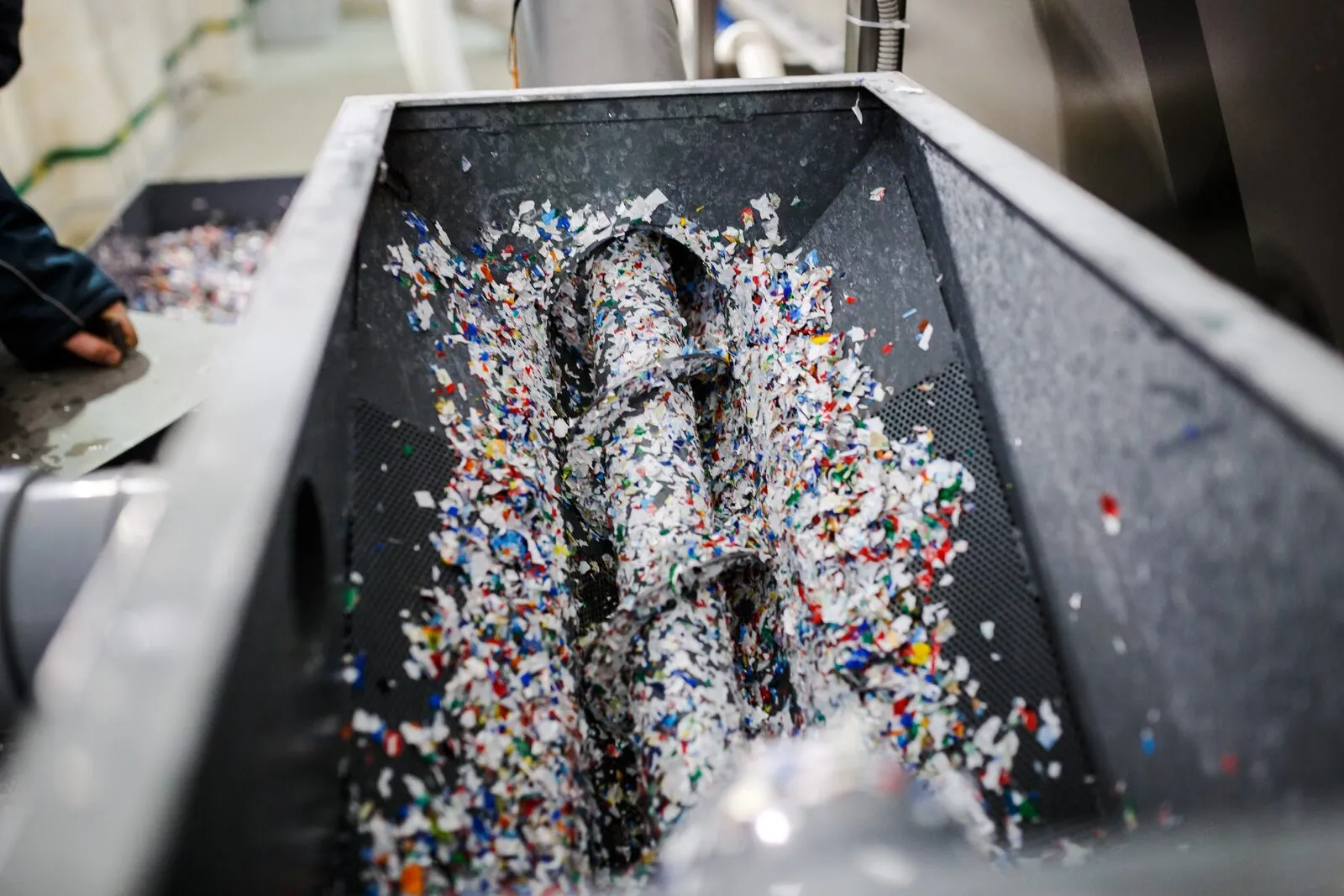
Belgium has a plastics recycling capacity of 480,000 tonnes. This volume is spread across some forty companies that together employ 700 people. These are modest figures compared with, for example, the petrochemical or steel industries, but they are firmly anchored local jobs. And this is capacity we must try to preserve, because once a recycling line is dismantled, it is lost for good. Europe cannot afford that. When the recycled-content requirements for packaging (PPWR) and for new vehicles (ELVR) come into force in 2030 and 2032, we will need additional capacity and new recycling technologies to meet the targets.
One million tonnes of recycling capacity lost
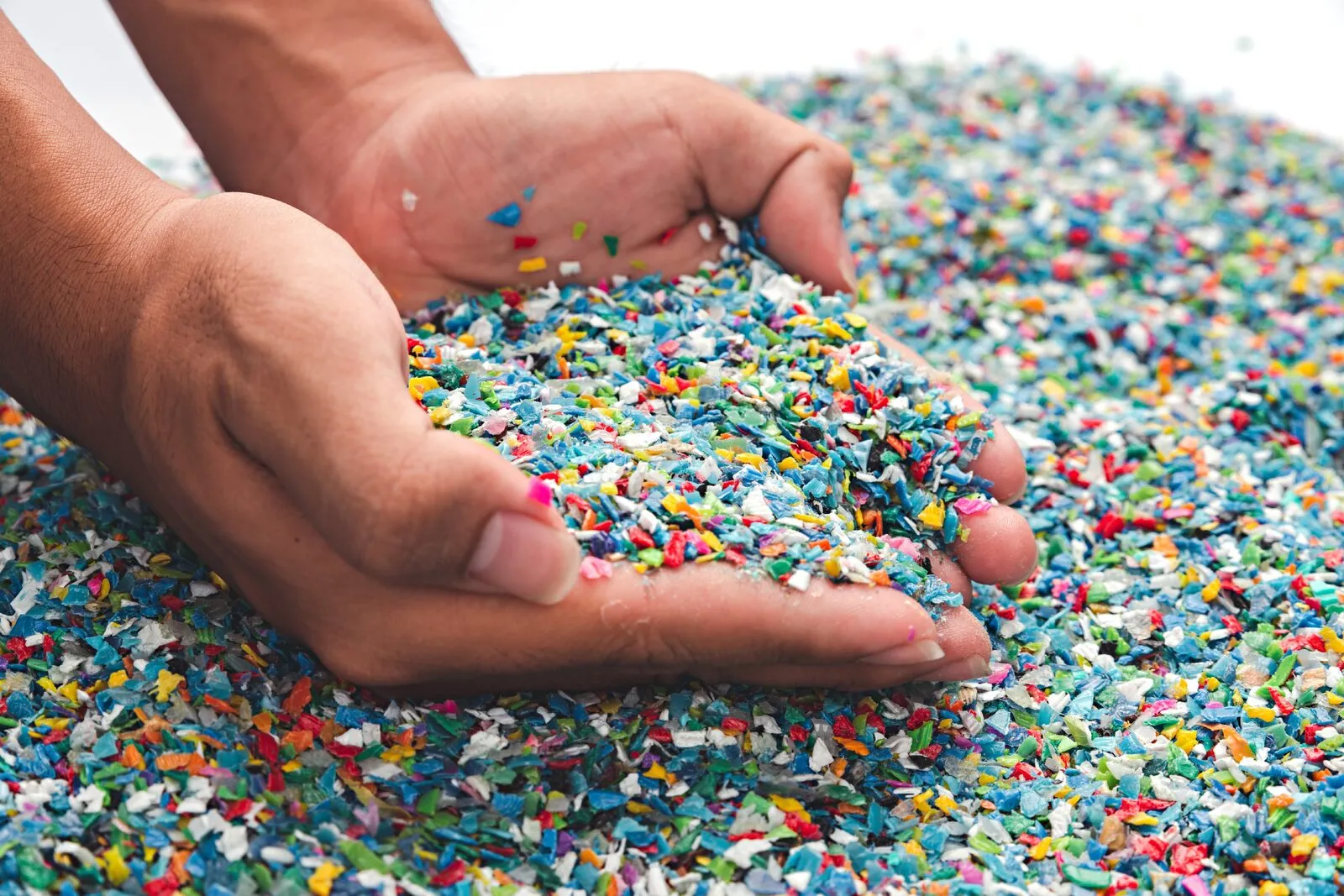
At present, however, the plastics recycling sector is going through a period that is far too difficult to finance such investments. In Europe, 50 plants have already gone bankrupt, representing 1 million tonnes of recycling capacity lost for good. Plastics Recyclers Europe describes 2025 as the year in which Europe saw the steepest decline in its recycling industry. The cause? A lack of demand for the recyclate that plastics recyclers put on the market. Four reasons explain this. The main one is the price gap. The cost of virgin plastics depends on the oil price, which has been at historically low levels in recent years. The price of recyclate, on the other hand, cannot keep falling if it is to remain competitive, because every step of collection and processing has a cost. This price gap is unintentionally widened further by a policy that gives virgin plastics producers discounts on their energy bills, but not recycling companies. The playing field is therefore not level; the gap is particularly wide for white and transparent materials.
No obligations
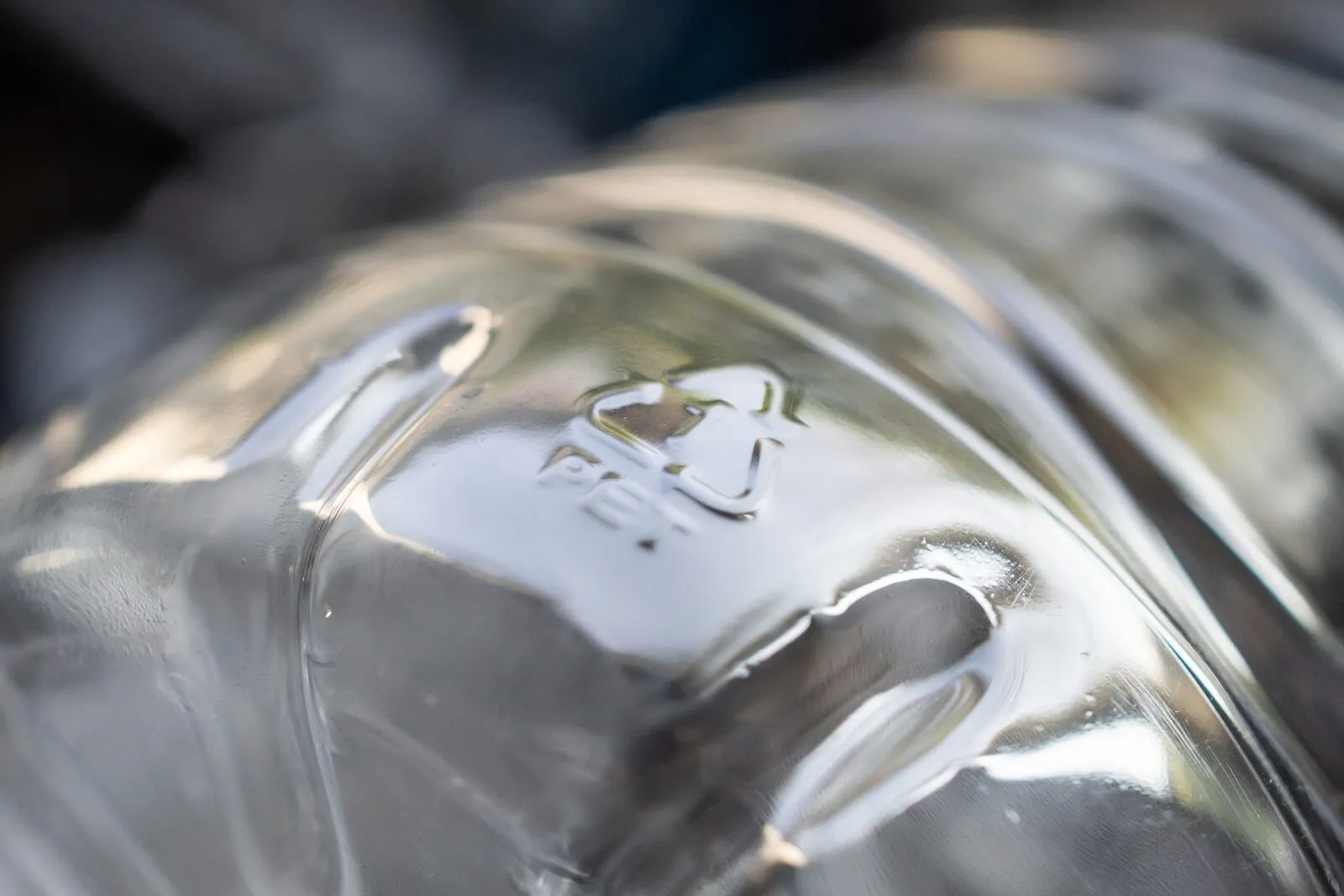
Producers are not obliged to opt for recyclate either. The only obligation already in force today concerns PET, for which a recycled content of 25% is required. Worse still, standards and specifications sometimes explicitly prohibit its use. These are often inherited from a linear economy and expressly require virgin plastics, even where there is no functional difference from recycled plastic. The EFSA, the European Food Safety Authority, currently recognises only recycled PET as safe for food contact. But how will we then be able to incorporate 30% recycled polypropylene and polyethylene in 2030, as the PPWR provides, when such procedures take several years? Regulation is moving faster than the standards and specifications meant to accompany it.
Unfair imports
A final handicap facing plastics recyclers is the insufficient reliability of imports from Asian countries, and from China in particular. These countries also see an opportunity in European regulation and are exporting recyclate in large quantities, but without any form of traceability. There are no separate customs codes for new polymers and recyclates, which makes it difficult to verify whether the material is really recycled plastic and under what social and environmental conditions it was processed. In 2025, the EU recorded the largest trade deficit in its history for polymers, even though it used to be a net exporter. What is at stake is therefore far more than saving a small sector of plastics recyclers: it is the strategic autonomy that Europe wants to achieve.
Levers for a functioning recyclate market
Urgent measures are therefore needed to allow recycling companies to survive until the recycled-content obligations take effect and to operate on a level playing field. Possible levers include:
A suitable public procurement policy requiring the use of recyclate;
A reduced VAT rate for products containing recyclate;
The same energy support as that granted to virgin plastics producers;
Checks at the European borders and an adaptation of legislation so that the recycled-content obligation goes hand in hand with verification and certification;
Eco-modulation based on recycled content and local processing;
Recognition as a strategic sector and more consultation at all policy levels;
A price guarantee, to reduce the volatility of the gap with virgin plastics and offer greater long-term security for investment.
A European approach
This is certainly not an exclusively Belgian problem. So far, Belgium has seen only one bankruptcy, while the Netherlands and Germany are the hardest hit in this respect. We can therefore also learn from measures taken elsewhere. The United Kingdom, for instance, levies a plastics tax on packaging containing less than 30% recyclate. In Italy, all public authorities must impose a mandatory recyclate requirement in their public contracts, together with its verification. The Netherlands and France, for their part, are betting on eco-modulation. France grants a bonus to producers who use recyclate. The Netherlands gives a discount to producers who use recyclate in their packaging. One thing is clear: if we still want a thriving plastics recycling industry tomorrow, the time to act is now.
Question about this story? Ask your question
Keep following this
Get an email when a new story is published. No account needed.
- ThemeOvercoming the plastics crisis
- SubjectWaste streams