Recycling on site does not necessarily drive up costs
Texte Valérie Couplez | Photos (CD)²
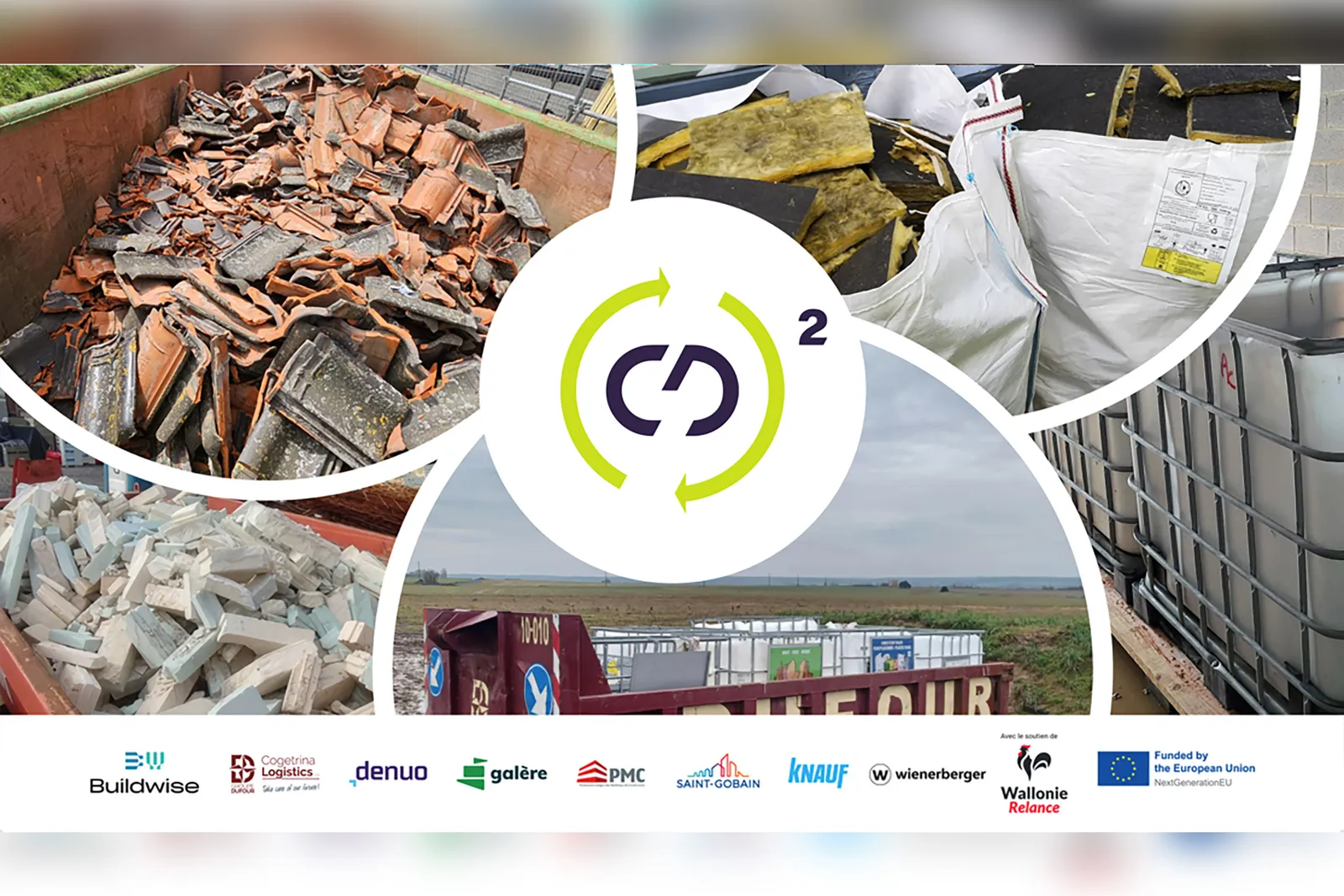
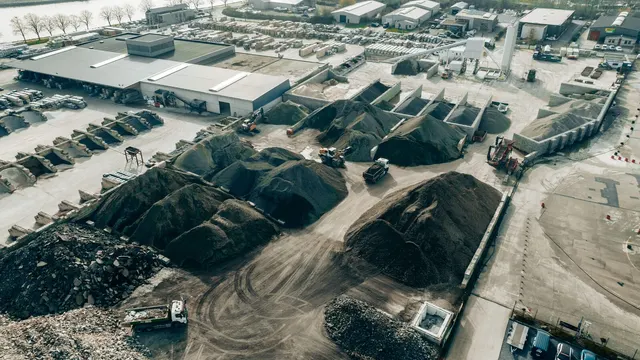
June marked the end of the (CD)² project, Circulation of Construction and Demolition Waste. On twenty pilot sites in Wallonia, the project partners took a highly pragmatic approach to developing innovative good practices in waste sorting and management. These practices are easy for contractors to apply, deliver high recovery rates through existing recycling processes and help construction product manufacturers close the waste loop. In three articles, Eléonore de Roissart, R&D Scientist at Buildwise, the project’s lead partner, presents the main findings.
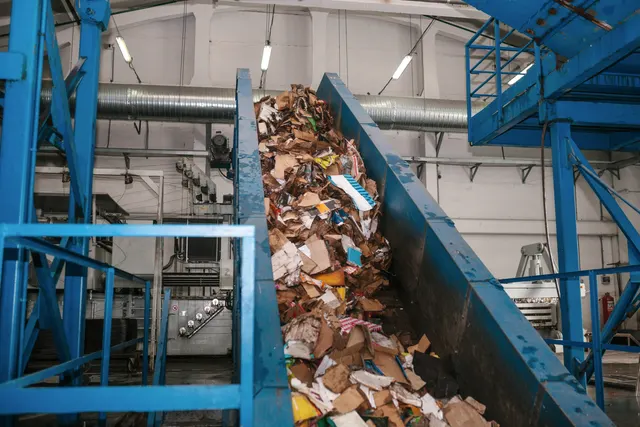
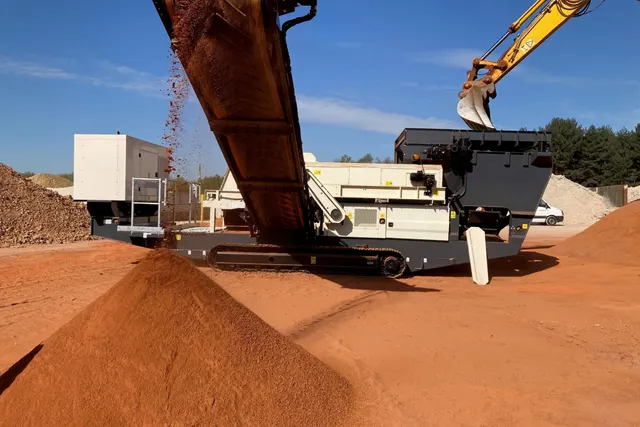
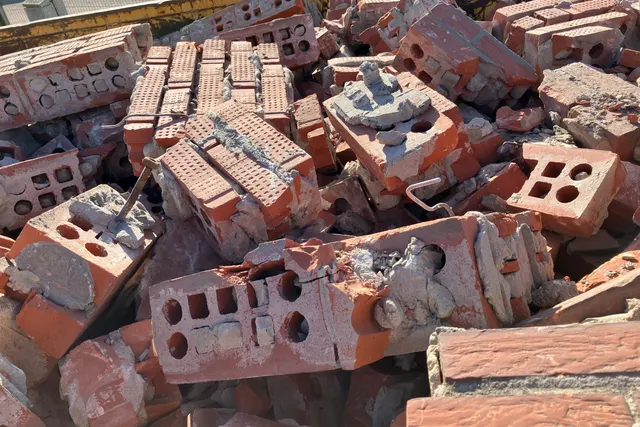
“In Flanders, certain waste streams must be sorted at source on professional construction sites as far as possible. This is a legal requirement for contractors. That is not yet the case in Wallonia. Waste sorting on construction sites remains limited, and recycling it into high-quality products, that is, putting it back into the production process to make similar products, is even less common. Belgium has many high-quality recycling plants for a range of construction materials, but they rarely operate at full capacity. It is time to sort waste on site and recycle it. Our aim with the (CD)² project was to provide practical tools and test them as extensively as possible in real-world conditions over the course of three years,” explains Eléonore de Roissart. Although more than ten waste streams were examined, the project focused on three: glass wool, plasterboard and clay tiles/bricks. This was no coincidence, as the materials came from manufacturers known for closed-loop processes, namely Knauf, Saint-Gobain and Wienerberger. The twenty selected pilot sites varied widely in location, from urban to rural areas, and in scale, from large to small.
Three pillars
“The recovery and recycling of construction and demolition waste rests on three pillars. At either end are the construction site, where materials need to be sorted correctly, and the recycling plant, where they are turned into new raw materials. But we must not forget the logistics in between, which are just as crucial. That is why it was essential to bring all stakeholders together as part of the project, to establish robust new recycling routes. There is no one-size-fits-all solution: many factors depend on the type of site and the type of waste stream. We rethought the traditional approach, fully incorporating other techniques, materials and solutions to make sorting and recycling easier and more affordable than simply disposing of waste streams, which is currently too cheap,” adds Eléonore de Roissart.
Changing habits
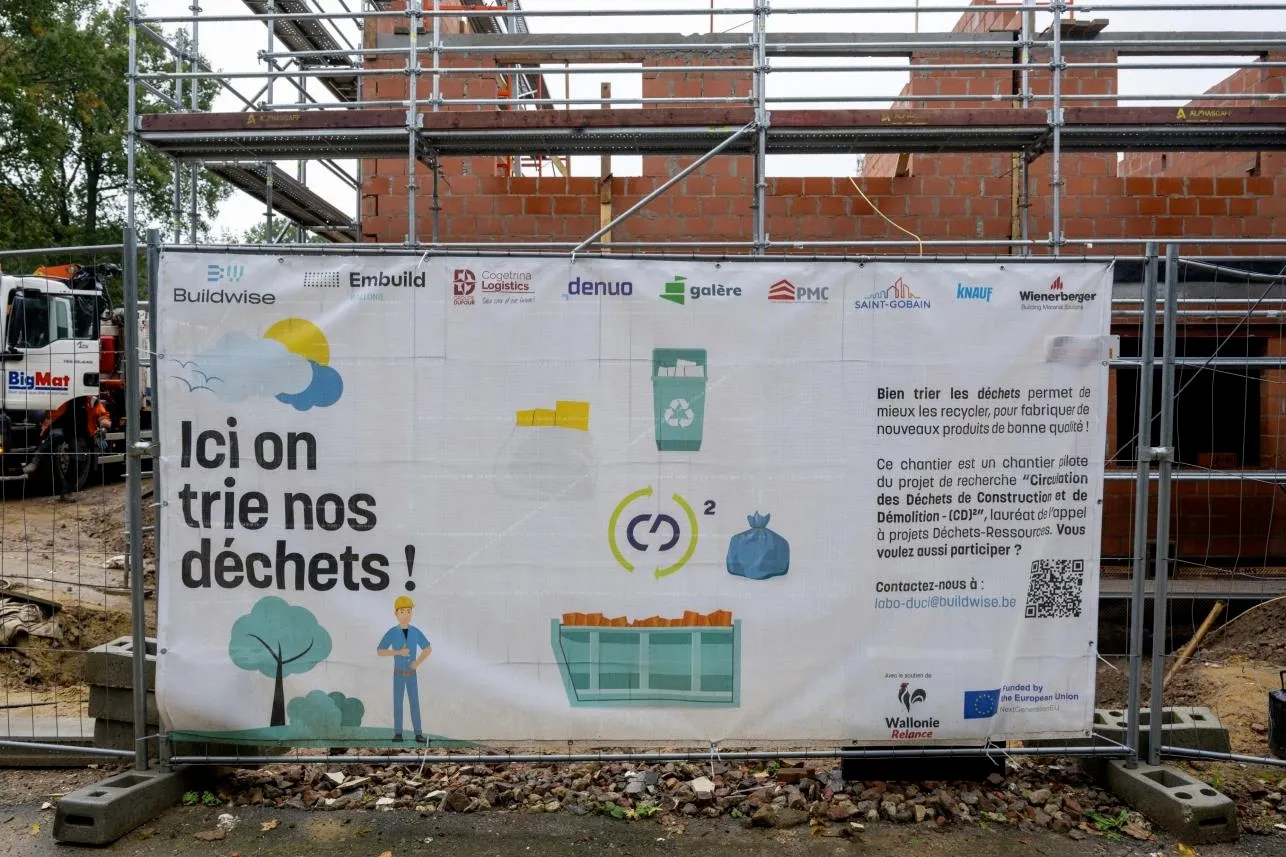
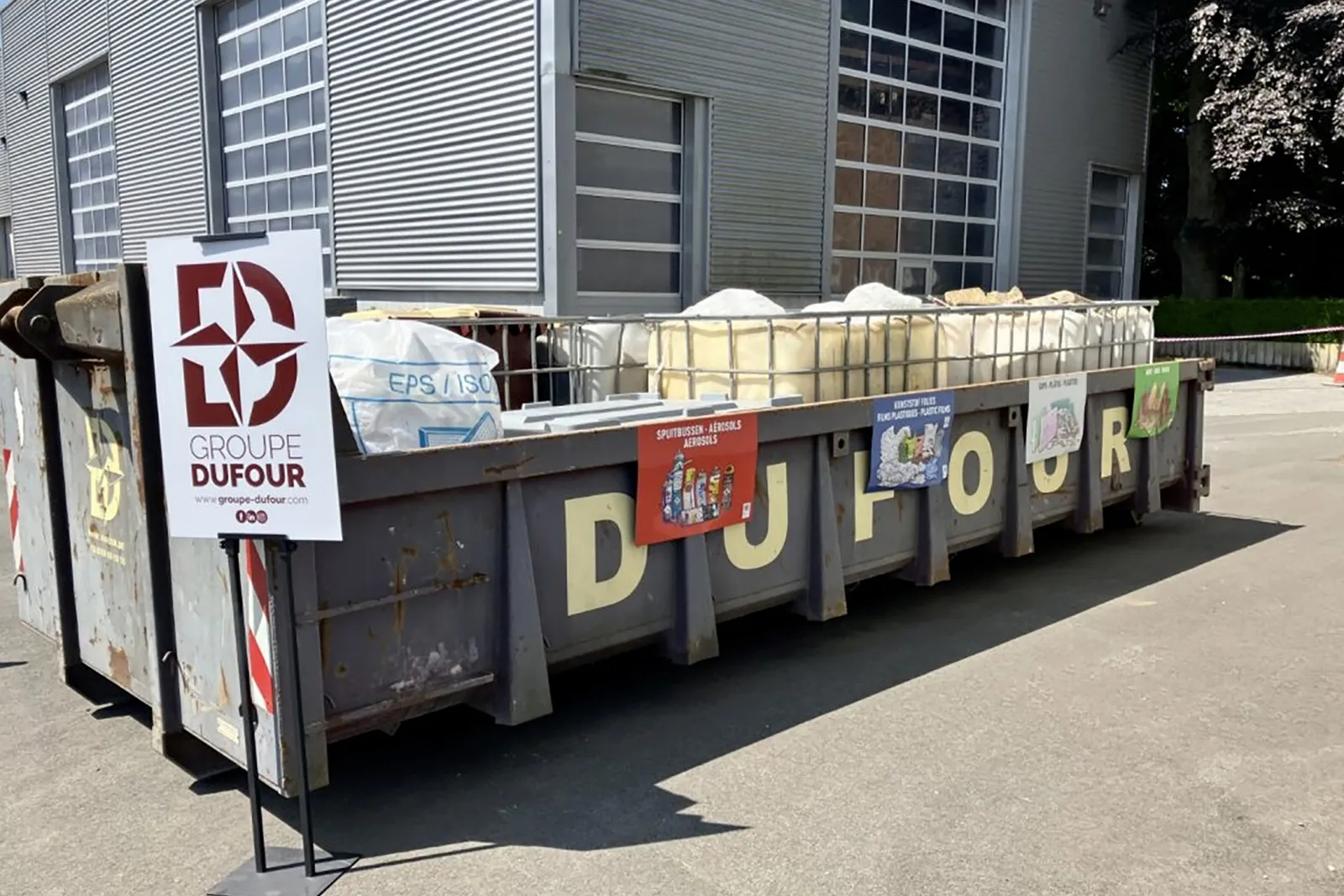
What are the main lessons for contractors? “By sorting materials, they can meet the requirements of the various recycling centres to a large extent. It obviously takes effort. But the hardest part is taking the first step and deciding to change well-established habits. In practice, it does not require that much extra work. It means adopting new organisational habits, adjusting the site’s internal logistics, planning and use of space, and possibly changing how bins are used. The most important factor, however, is persuading site teams to do things differently. The more these habits become second nature, the less effort they require.” The (CD)² project therefore focused on raising awareness. ADEB-VBA pictograms were displayed on site and, where needed, new ones were developed to make it clear which waste types can and cannot be mixed.
Information on recycling centres
The acceptance criteria set by recycling centres play a crucial role here. They were already available on a website, dechetsdeconstruction.be, but the site was improved during the project. “This tool helps contractors find the nearest recycling centre, see which waste streams it accepts and check the requirements for incoming materials,” explains Eléonore de Roissart.
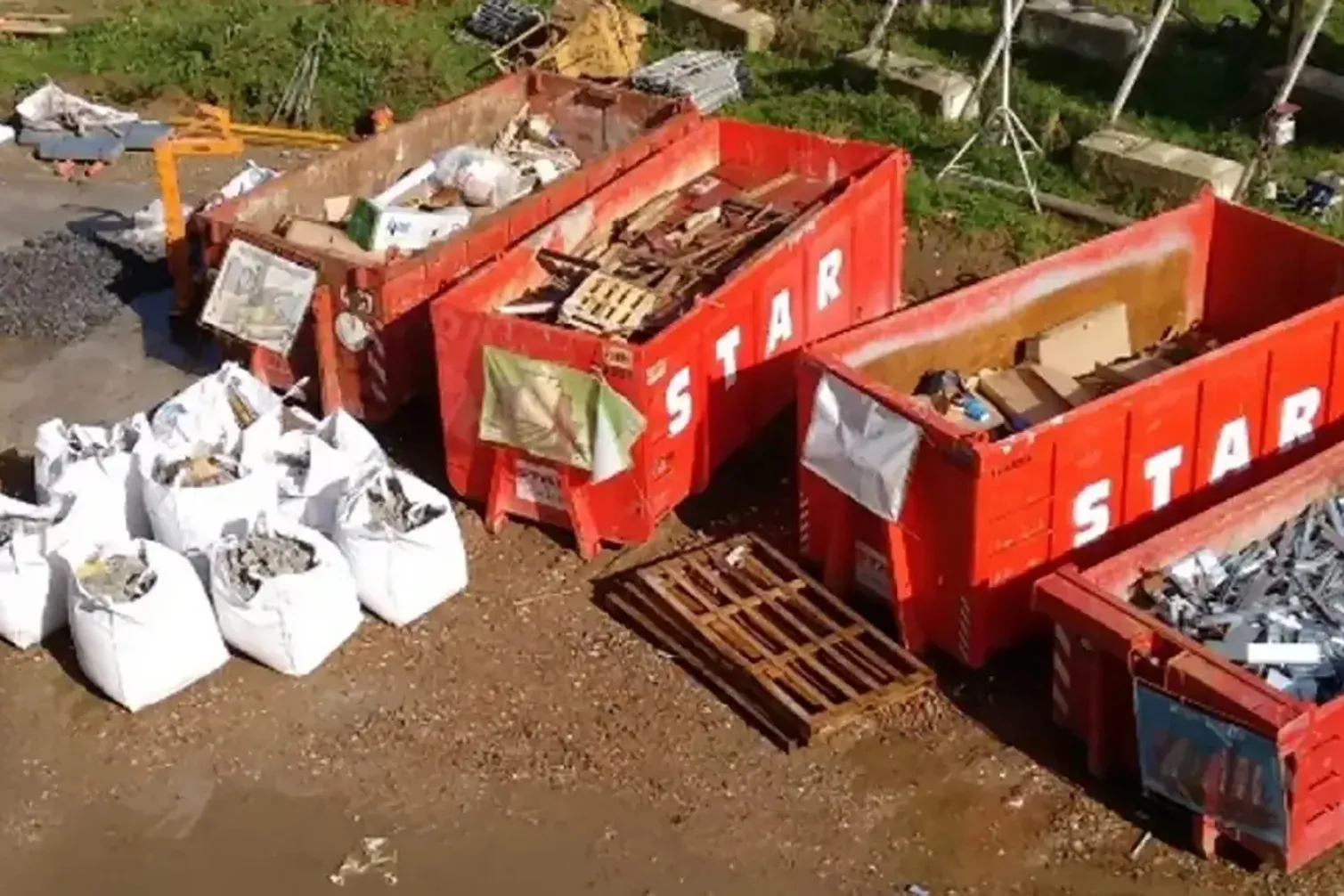
However, providing a separate container for each waste stream is not always practical, especially on smaller sites. This was also explored as part of the project. Trials were carried out using divided containers that could collect several waste streams separately. ❯“Another effective solution is to take sorted waste to wherever space is available. At a KOPO site, there was not enough room on the site itself, but there was space at another nearby site. Containers were placed there, and the team took the waste there each evening.”
Does it cost more?
What about the financial implications? Does sorting cost contractors more, or can it generate revenue? Eléonore de Roissart has no clear-cut answer. “We tried to quantify the costs, but the differences are too great. They depend first and foremost on the type of waste sorted and its potential value in the recycling chain. Two other factors are also decisive: logistics costs and the operational costs of sorting on site. These costs also vary according to the type of waste being sorted, the site’s location, the team’s experience and other contextual factors. Although it sometimes involves a small additional cost, sorting remains a strategic choice: waste management generally accounts for only around 0.5% of total construction costs,” concludes Eléonore de Roissart.
Question about this story? Ask your question
Keep following this
Get an email when a new story is published. No account needed.
- ThemeRecovering construction waste
- SubjectWaste streams