DIWASS: the current state of play
Texte Valérie Couplez | Photos iStock
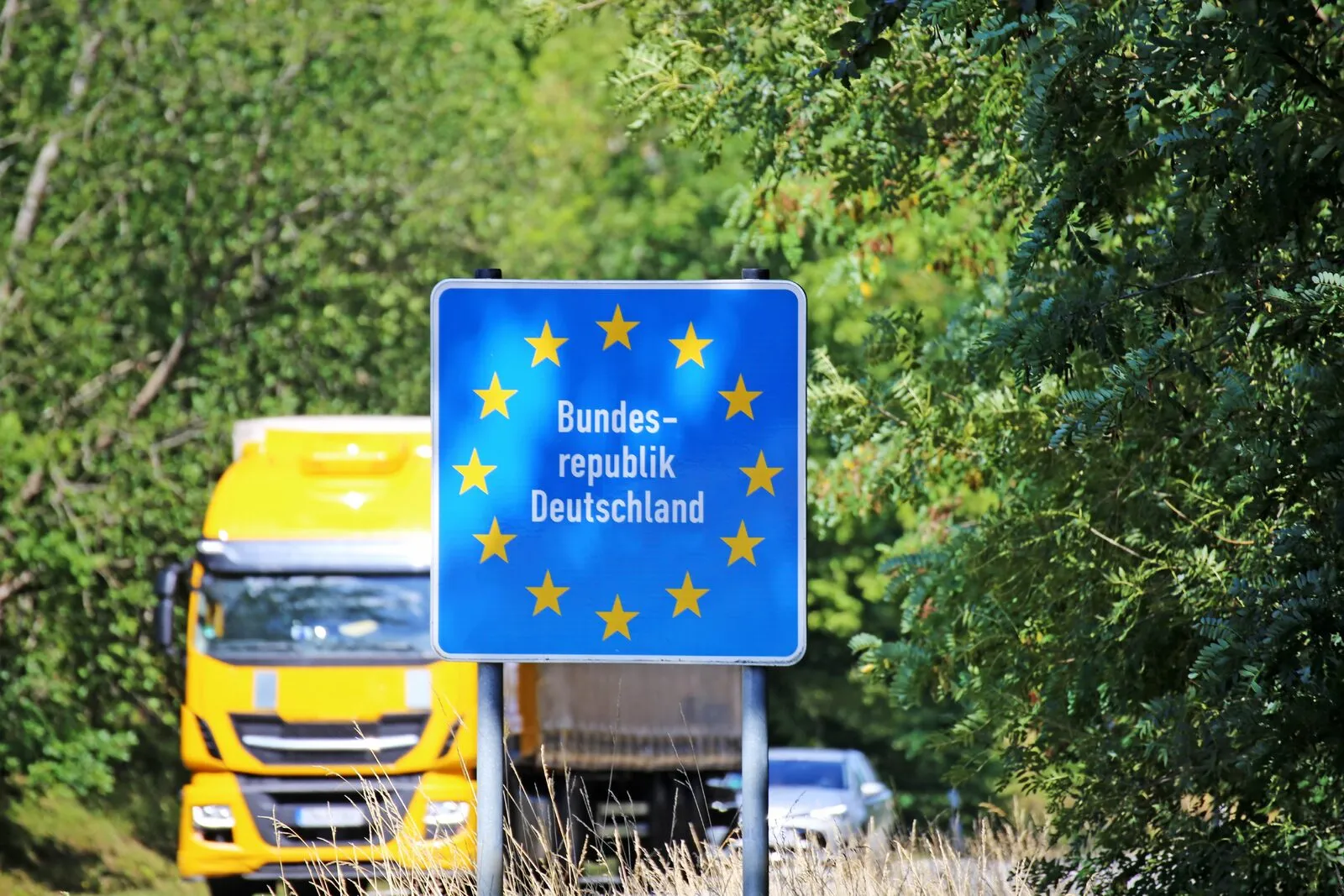
Cleantech Expo, held at Kortrijk Xpo on 23 and 24 September, was the ideal place to find out about the hot topics in recycling. RecyclePro was there and has selected three themes for you in this feature. One of the sessions focused on DIWASS (Digital Waste Shipment System), the European Commission’s official platform for declaring, tracking and documenting cross-border waste shipments. The system is expected to be fully operational by the end of this year, but the current state of play suggests that meeting this deadline will be difficult.
Digitalisation is already well under way in Flanders, too. In 2023, the identification form required for waste shipments within Flanders or between the different regions was digitised. OVAM has approved fifteen systems, which companies are required to use to create an identification form for each shipment. Other documents are also mandatory: the CMR consignment note and, in some cases, a commercial document. Brussels and Wallonia operate differently: they have opted for a traceability document, which can be used in either digital or paper form. However, shipments from these regions to Flanders will have to be managed digitally, as an E-IDF is mandatory there.
DIWASS
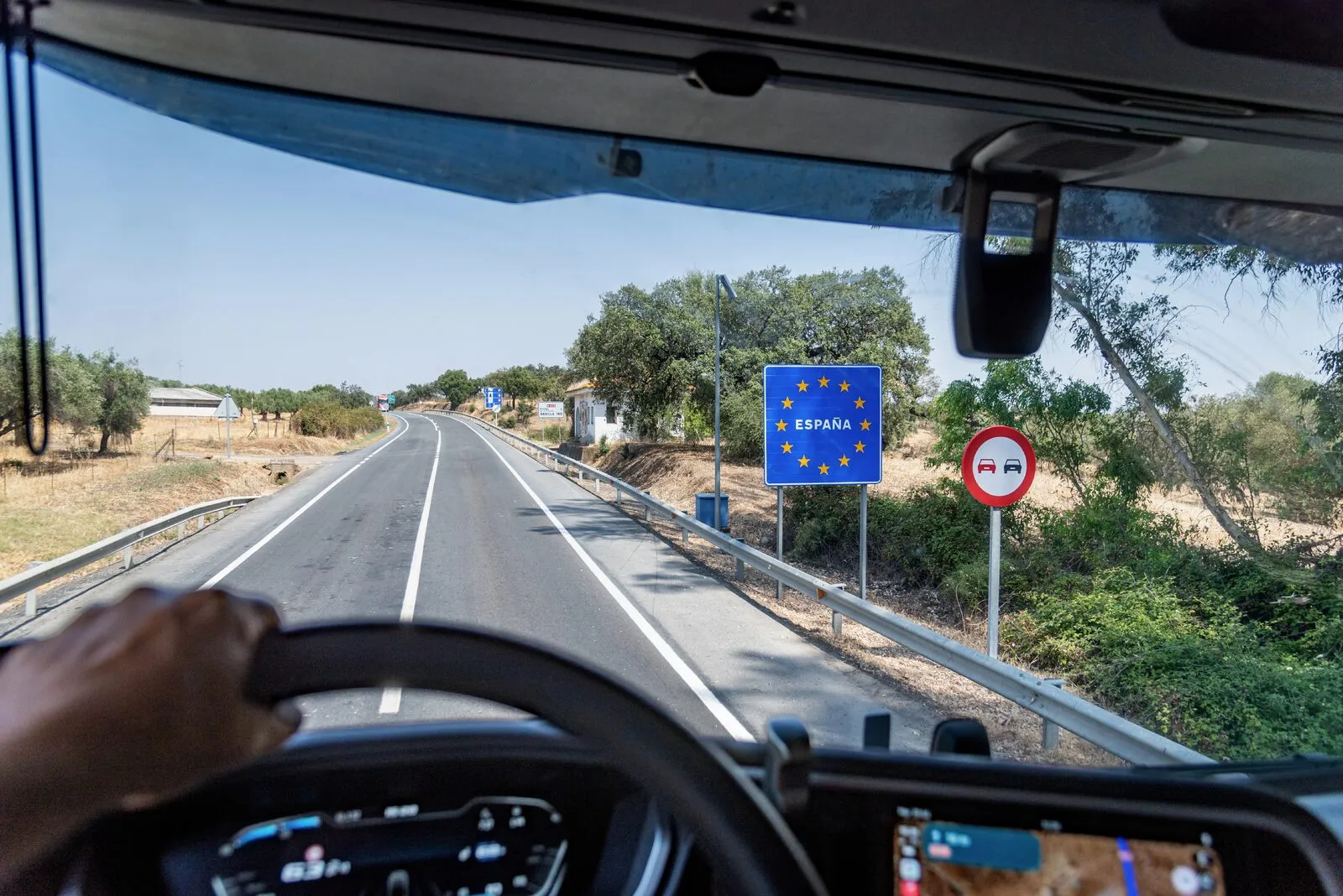
Whenever a waste shipment crosses the border of a Member State, DIWASS must now be used. It is a centralised European platform for the electronic transmission and exchange of information on cross-border waste shipments. The system is intended to replace national notification systems with a single, harmonised digital environment for the whole European Union. It was designed to simplify procedures, improve traceability and make fraud easier to detect. At least, that is the ideal: because of a difficult start, this ambition is still a long way from becoming reality, as we will see.
The system’s legal basis dates back to the 2024 revision of the Waste Shipments Regulation and the 2025 implementing regulation. In the first phase, notifications were digitised on 21 May 2026. Annex VII is also expected to be digitised by early 2027.
A difficult start in May
The system operates across three levels that interact to enable the digital tracking of each individual shipment. At its centre is DIWASS, which can be connected via APIs to the local systems of competent authorities or to companies’ software. In Flanders, notifications are still submitted through OVAM’s EVOA portal. In Brussels and Wallonia, they are entered directly into the DIWASS platform. All parties concerned must first register with DIWASS: waste producers and carriers, as well as recipients and treatment operators. In Flanders, OVAM automatically transferred all individuals and companies already registered with the EVOA portal. In Wallonia, by contrast, registration proved problematic, with long waiting times and an unresponsive administration. Today, four months after the official launch date, notifications should be working properly. Should, because Member States report that the system is still not working as promised. Slow performance, sometimes incomprehensible error messages, inadequate email notifications and poor communication are among the main criticisms.
What about Annex VII?
The deadline for Annex VII had been set for the end of December 2026. However, all the signs suggest that it will be impossible to meet. An extension is being requested because, at the end of September, the test environment was still not fully operational and is not expected to be ready until mid-November. This leaves too little time for both Member States and private software developers to test their APIs digitally and deploy them. The sector therefore expects serious operational problems if the European Commission maintains the current deadline. It is being asked to make digital Annex VII mandatory only from June 2027. A second challenge also remains to be resolved: the much-discussed two-day rule. This requires a shipment to be notified at least two working days in advance. However, the rule is difficult to apply in border regions, to shipments arranged at the last minute or to the return of rejected loads. The two-day period was nevertheless the compromise imposed by the European Commission, with Member States having argued for at least three days. It is therefore up to countries to reopen the issue and request a change to the legislation. National federations have already begun lobbying.
Question about this story? Ask your question
Keep following this
Get an email when a new story is published. No account needed.
- SubjectWaste streams