A strategic issue for steel and metals producers, with far-reaching consequences!
Texte DENUO
Under pressure for many years, Europe’s steel sector is facing a combination of structural and cyclical factors. These include foreign competition, falling demand in some sectors, high energy costs in Europe and the need to decarbonise an industry that remains a major contributor to CO2 emissions.
Indeed, the steel industry accounts for around 5% of the EU’s total greenhouse gas emissions and more than 25% of industrial emissions. Against this backdrop, the sector is now in the midst
Europe’s steel industry under pressure
To date, more than 50% of EU steel production still relies on blast furnaces (BF-BOF), most of them ageing and due for reinvestment or decommissioning before 2035. The transition to decarbonised steel production requires substantial investment in new technologies. These include electric arc furnaces (EAF), which make it possible to use more recycled steel. However, such investment does not immediately guarantee competitiveness against low-cost imports from outside the European Union. Steel production in EAF emits less than 0.4 tonnes of CO2 per tonne of steel in direct and indirect emissions, around 85% less than the BF-BOF process.
Metal recycling, a cornerstone of the circular economy
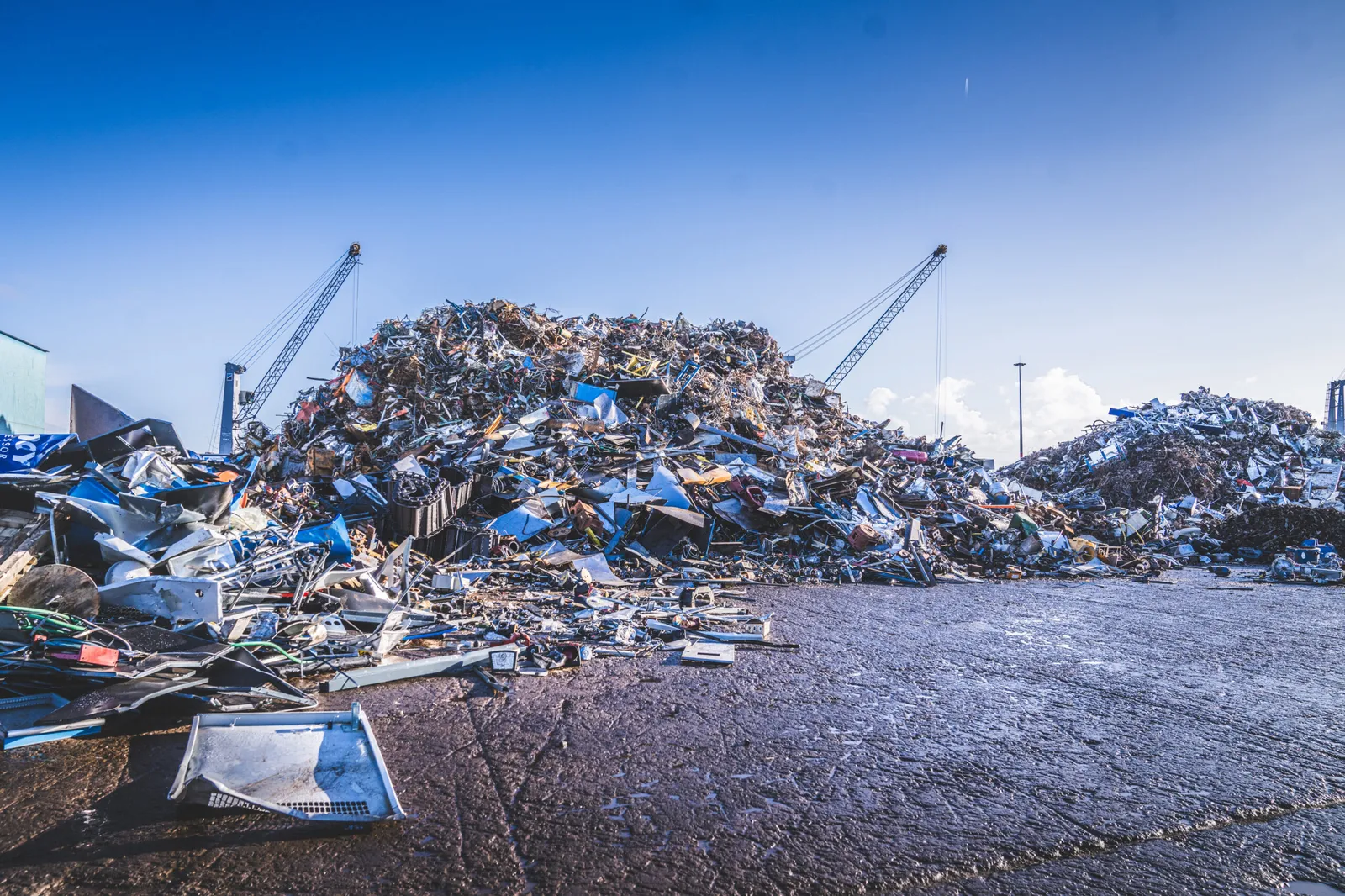
Against this backdrop, metal recycling is emerging as an essential pillar of Europe’s circular economy. Ferrous and non-ferrous metals can be recycled indefinitely without any significant loss of quality, making them highly valuable secondary resources. Depending on its level of purity, at least 80% recycled steel can be used to produce one tonne of steel via EAF. The use of recycled aluminium in production, meanwhile, reduces direct and indirect emissions by more than 90%. One tonne of aluminium can be produced using 100% recycled aluminium. Primary production, by contrast, is heavily dependent on electricity prices, electrolyser investment costs and volatility in the bauxite and alumina markets.
Competitiveness weakened amid geopolitical uncertainty
The negative impact on the competitiveness of these energy-intensive industries is growing over time. This trend is being exacerbated in particular by protectionism and US announcements about the introduction of tariffs. These measures, as volatile as the market uncertainty they generate, have knock-on effects across all the associated value chains. Europe’s steel and aluminium recyclers are an integral part of them. Over the past ten years, steel production has fallen by around 20% and aluminium production by nearly 33%.
The temptation to restrict exports of recycled metals
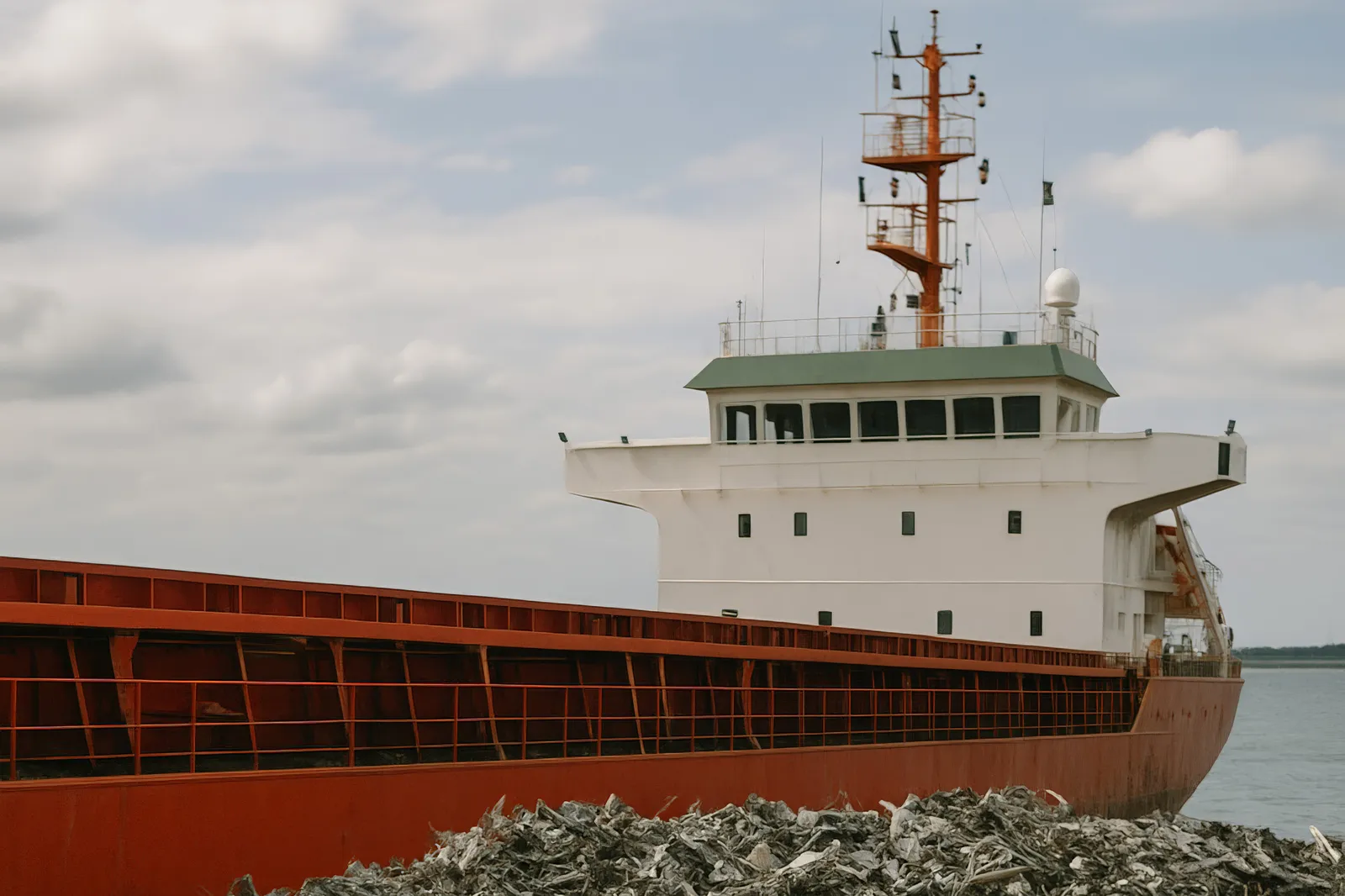
To control production costs, then, is it not easier to manage the cost of some inputs by controlling supply and demand? Ipso facto, steel and aluminium producers are now stepping up pressure on the European Commission to limit exports of these metals’ scrap outside the EU, risking destabilisation of the entire value chain. They argue that there is a structural shortage of these resources, something that has yet to be demonstrated. For many years, however, steel and aluminium producers have benefited from substantial public support to maintain local production in Belgium and other EU Member States.
A European strategic framework in flux
Against this backdrop, in March 2025 the European Commission presented the European Steel and Metals Action Plan (SMAP), a strategic framework for action forming part of a broader approach, namely the RESourceEU plan announced in December last year and focused on sovereignty over materials deemed essential. This strategy complements the Carbon Border Adjustment Mechanism (CBAM), which is intended to prevent carbon leakage through imports, as well as the forthcoming Circular Economy Act (CEA), expected by the end of 2026, which aims to improve the efficiency of secondary-material markets in Europe.
A paradox for the recycling sector
Industry can only welcome the fact that metal recycling is finally being recognised for its true worth. It is also a cornerstone of Europe’s circular economy, helping to significantly reduce greenhouse gas emissions. Paradoxically, however, this same European strategic framework envisages the introduction, in the very short term, of trade defence measures to limit the capacity to export these recycled materials, while seeking to make up for the lack of objective data through a barrage of public consultations with questions that are framed in advance.
Exporting surplus recycled metals that cannot be absorbed by the European domestic market to third-country markets remains, and will remain, essential to ensuring the economic viability of recycling businesses. These businesses already operate in an environment subject to significant financial, environmental and regulatory constraints, and invest in advanced sorting and processing technologies to reduce environmental impacts and ensure that the quality of secondary raw materials meets downstream industrial requirements.
Maintaining market balance and stimulating demand
In conclusion, it is vital to let the market adjust freely to global supply and demand. Inappropriate intervention could weaken the economic balance of the recycling sector, with potentially irreversible consequences for Europe’s industrial ecosystem. At the same time, imports that fail to meet the environmental, social and quality standards applicable within the European Union must be penalised rigorously.
Alongside this, strengthening domestic demand is a key structural lever. Adopting regulatory frameworks that promote the mandatory use of recycled content in products is an effective tool. The proposal on the European End-of-Life Vehicles Regulation, voted on 25 February this year, is a case in point. It sets binding targets for incorporating recycled materials into automotive production. This measure is particularly significant given that the automotive sector accounts for around 18% of European steel demand and nearly 25% of aluminium demand.
Extended to other strategic sectors, this approach would provide lasting support for recyclers’ commercial prospects while strengthening the European Union’s material autonomy.
Question about this story? Ask your question
Keep following this
Get an email when a new story is published. No account needed.
- ThemeRecycling metals and vehicles
- SubjectDenuo