












Business slowdown or disruption following a loss? The underestimated value of business interruption insurance
Texte Maarten Vanhalst, Group Casier Image Shutterstock
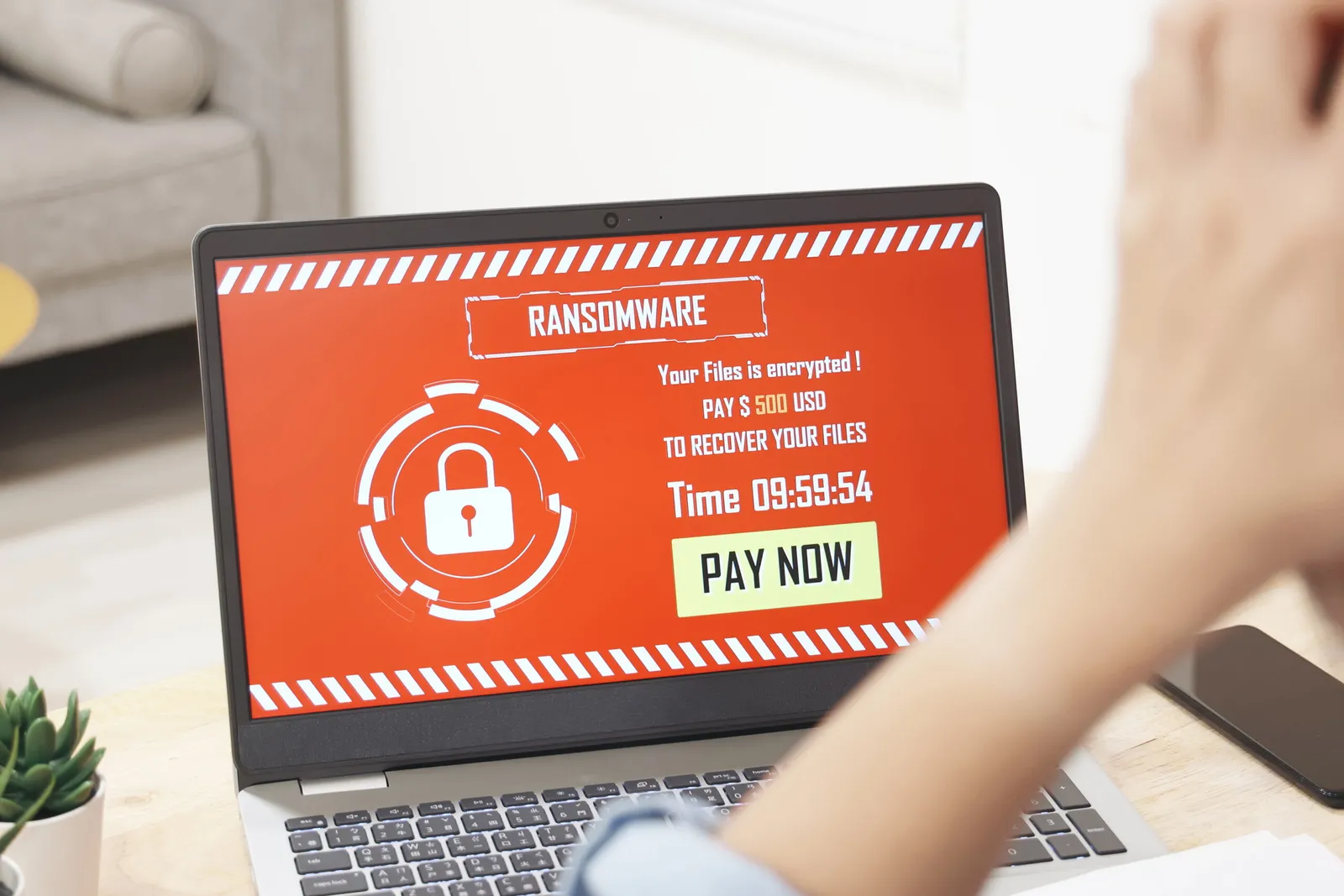
Continuity is everything in the recycling sector. Machines, lorries and facilities cannot simply be allowed to grind to a halt. But what happens when the unexpected strikes? A fire, machinery breakdown or cyberattack can bring your business to a sudden standstill. While direct damage is generally covered, indirect losses may not be, such as lost turnover or ongoing fixed costs. That is where business interruption insurance comes in.
Fire: more than just property damage
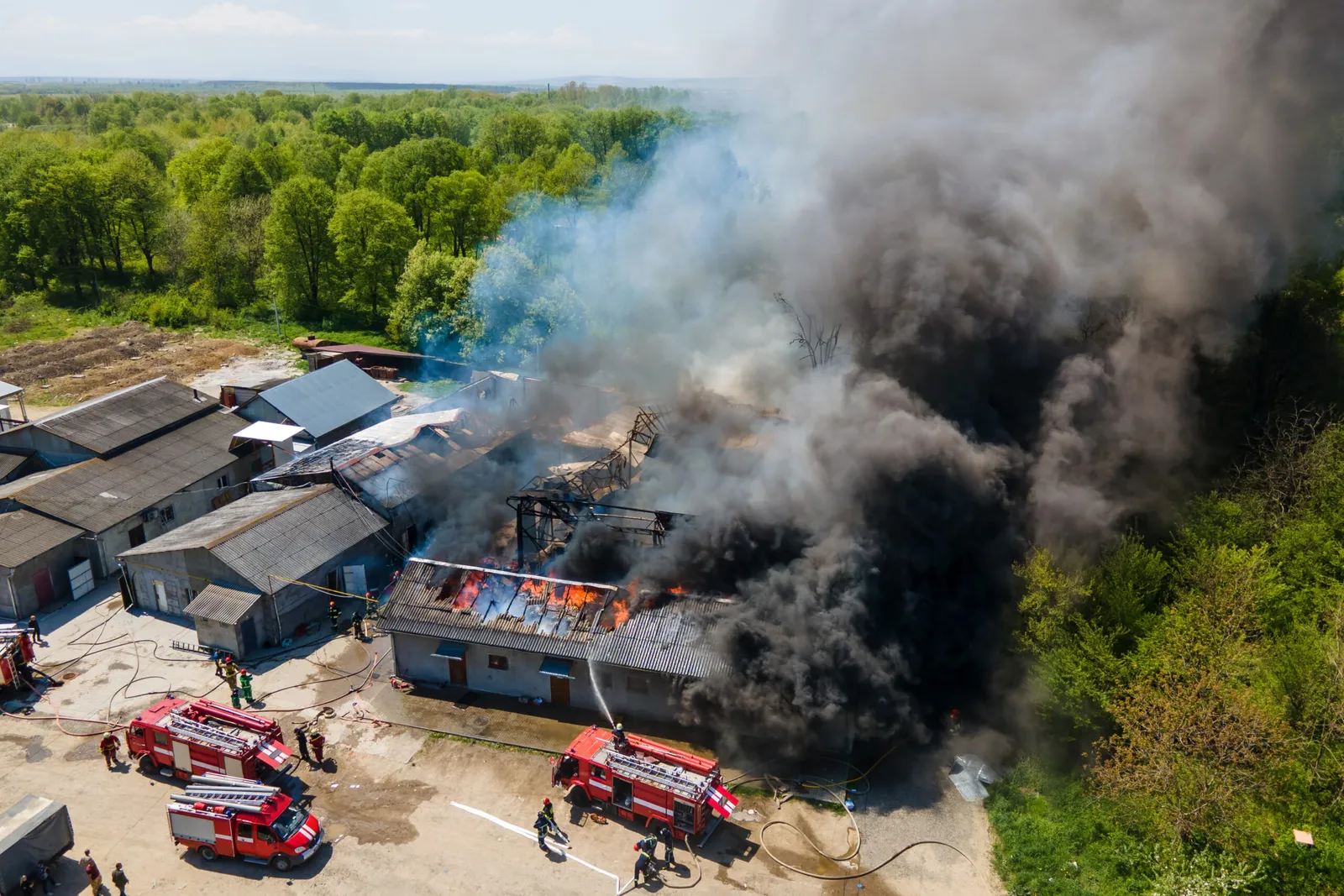
A fire in a sorting line or storage area can have devastating consequences. Even if the site is rebuilt quickly, you could lose weeks or even months of production. In the meantime, customers may look elsewhere, putting contracts at risk. Fire insurance can include optional cover for business interruption. This compensates for loss of gross profit, as well as fixed costs such as rent or loan repayments, electricity contracts and leasing costs. It can also cover the additional costs you incur to limit the drop in turnover, for example by hiring a machine while you wait for a replacement to be delivered.
Machinery breakdown: a silent standstill
Recycling plants often rely on bespoke equipment. A breakdown of your main machine can therefore trigger a chain reaction. Repairs or spare parts may take weeks, or even months, to arrive. With additional cover for business interruption following machinery breakdown, you are also protected against loss of turnover.
Cyberattack: your sector is vulnerable too
More and more recycling businesses are using digital weighbridges, ERP systems and automated, connected processes. A cyberattack can bring your entire operation to a standstill. This could mean encrypted data, idle equipment or even incorrect invoicing. Cyber insurance generally also covers financial losses caused by an interruption to your business, helping to compensate, in part, for any loss of turnover.
What can you do in practice?
- Assess your risks. Which processes are essential? How long can you manage without them?
- Draw up a business continuity plan setting out how to keep critical processes running following a major incident.
- Check your insurance policies. Does your fire insurance also cover business interruption?
- Choose a broker who knows your sector and can help you set realistic levels of cover and waiting periods.
Choose certainty
Business interruption insurance is not an unnecessary luxury, but a lifeline for those who want to be prepared for the unexpected. In a sector where downtime means losses, certainty is invaluable.
Question about this story? Ask your question
Keep following this
Get an email when a new story is published. No account needed.
- ThemePreventing recycling risks
- SubjectNews







