Lessons learned on recycling plasterboard, glass wool and ceramics
Texte Valérie Couplez | Photos (CD)²
If Wallonia is to meet its decarbonisation targets, it will need to increase the reuse and high-quality recycling of construction and demolition waste. The twenty pilot sites in the (CD)² project have already shown the way forward. In this final instalment, we look at the recycling of plasterboard, glass wool and clay bricks with Eléonore de Roissart, R&D Scientist at Buildwise, the project’s lead partner.
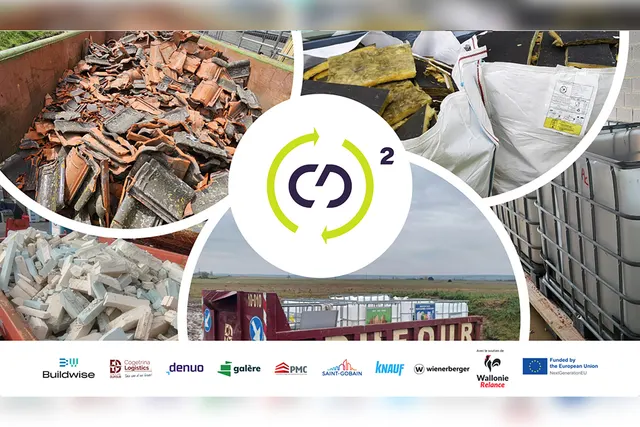
As mentioned earlier, the (CD)² project focused on three main waste streams: plasterboard, glass wool and clay bricks. A further eleven waste streams were also studied in detail: rock wool, cellular concrete, rigid plastics, PIR/PUR, paper and cardboard, flexible plastic film, strapping, as well as the usual materials: wood, metals, inert materials and hazardous substances. For each site, the quantities expected to be removed were estimated by material type, and different collection systems were tested, from containers and big bags to IBC tanks and tipping skips (200 to 1,000 l). A site supervisor carried out checks using digital tools. Communications teams were also on hand. “One important lesson is that it is easier to encourage people working on site to sort waste if they know why they are doing it. If a recycling centre explains why certain materials need to be separated, they are more likely to make the effort,” says Eléonore de Roissart. A second incentive tested on one site was financial. “The manufacturer covered the costs of sorting the waste, while the contractor had to pay for the mixed-waste container.”
Plasterboard
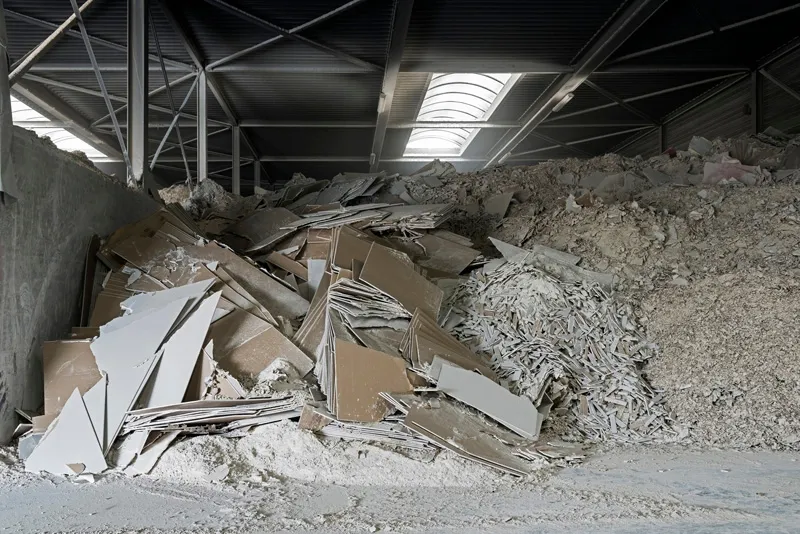
A total of 92 tonnes of plasterboard waste, including boards, blocks and offcuts, was collected from five sites and processed into raw materials for manufacturing new plasterboard by Replic and New West Gypsum Recycling. Construction and demolition waste can be recycled there without distinction. Eléonore De Roissart says: “For the waste to be accepted into existing plasterboard recycling processes, it was important that it contained no inert materials, plastics or PMD.” Note that these were not exclusively demolition sites. “In theory, around 3.5% is lost during installation. But the project showed that this figure can quickly rise to 6%.” An economic analysis found that for a 12 m³ container filled with plasterboard waste, recycling is more cost-effective than collection in mixed-waste containers, up to a certain transport distance. For example, if the nearest mixed-waste container site is 50 km away, the sorting chain remains cost-effective for all sites within a radius of up to twice that distance. The two recycling sites, in Pecq and Kallo, cover more than half of Belgium.
Ceramics
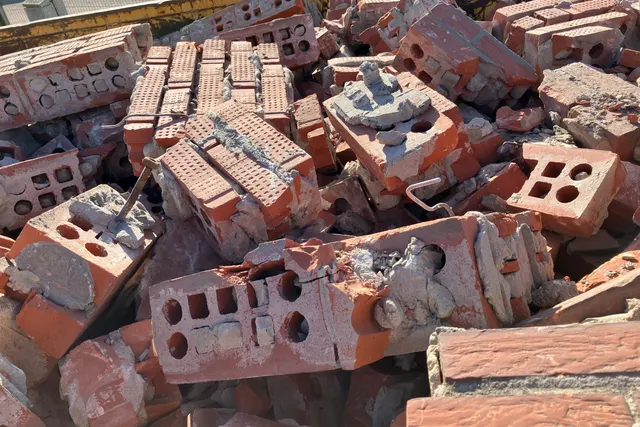
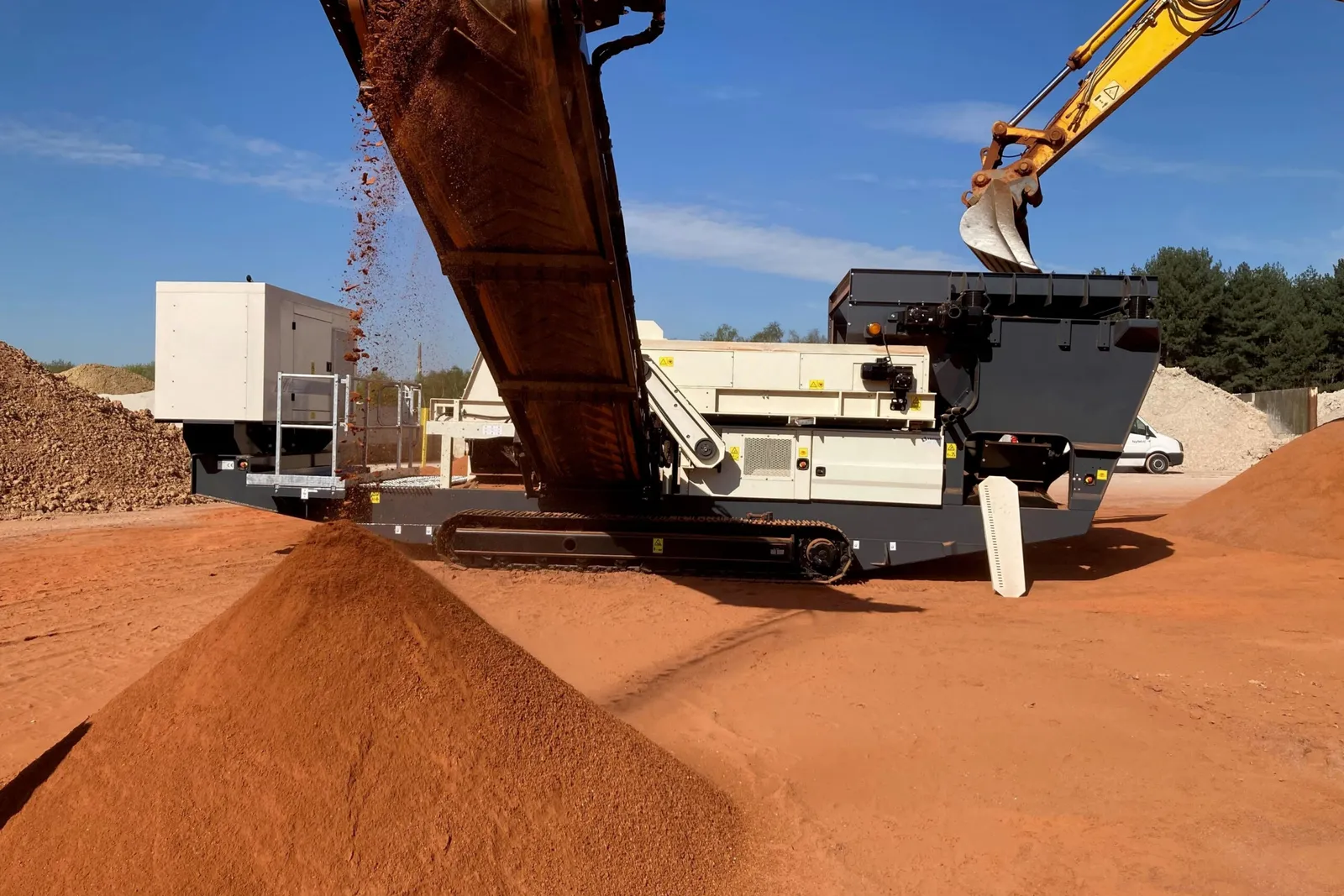
Clay bricks accounted for most of the volume. Materials collected from seven sites, including masonry, roof tiles and clay from tennis courts, enabled 577 tonnes to be recycled. “The most common contaminants are concrete, plastics, wood and metals. Mortar should also be separated from the material as far as possible.” This means more manual sorting is required. A well-sorted container will be collected free of charge by Wienerberger, or even purchased, depending on the quality of the sorting. Sorting roof tiles is more likely to be cost-effective, as no additional sorting operations are needed on site. However, transport costs still need to be compared, as they vary depending on the site location.
Glass wool
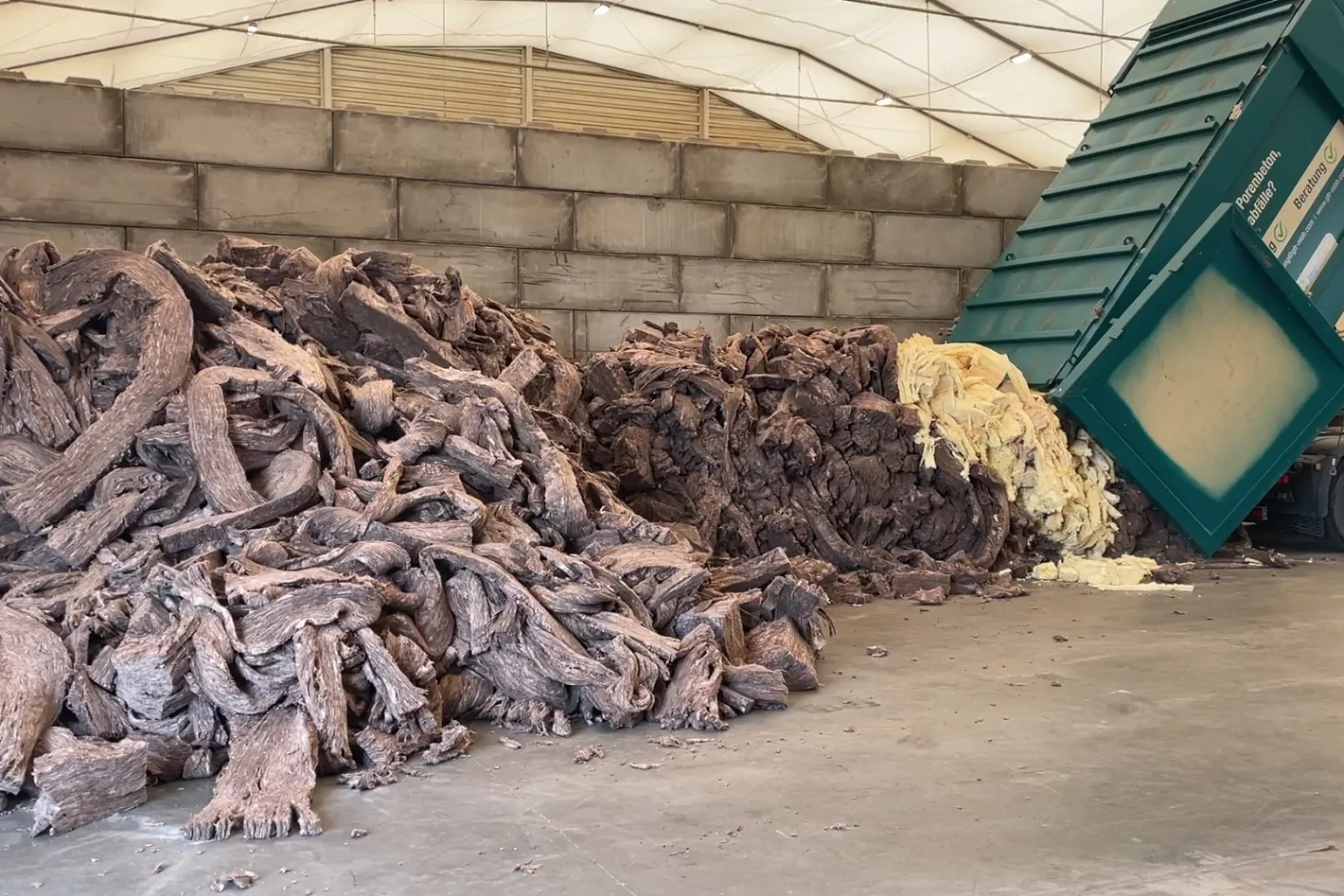
The pilot sites supplied a total of 100 kg of glass wool, which was processed by Knauf Resulation (near Liège). There is also a recycling site in the Netherlands, Isover Saint-Gobain, which accepts only offcuts. Unfortunately, materials from two sites were rejected. “It is important to distinguish glass wool from rock wool. To help with this, Knauf has developed a toolbox, for example, which contractors can use. Materials must also be kept dry at all times. In other words, they should be stored indoors, or the container should be carefully covered with a tarpaulin.” The processing cost for glass wool is around 140 euros per tonne. An economic analysis of these materials is still to be carried out.
Webinars
Interested in the results of the (CD)² project? Buildwise is hosting webinars on 16 and 23 September. It will present all the lessons learned on practical measures that can be implemented on site for sorting and recycling. It will also share tools for monitoring and assessing recycling costs. The webinars will be held in French. You can register via the events calendar on the Buildwise website.
Question about this story? Ask your question
Keep following this
Get an email when a new story is published. No account needed.
- ThemeRecovering construction waste
- SubjectWaste streams