












Composites under pressure
Texte Kris Vandekerckhove | Photos Nederman
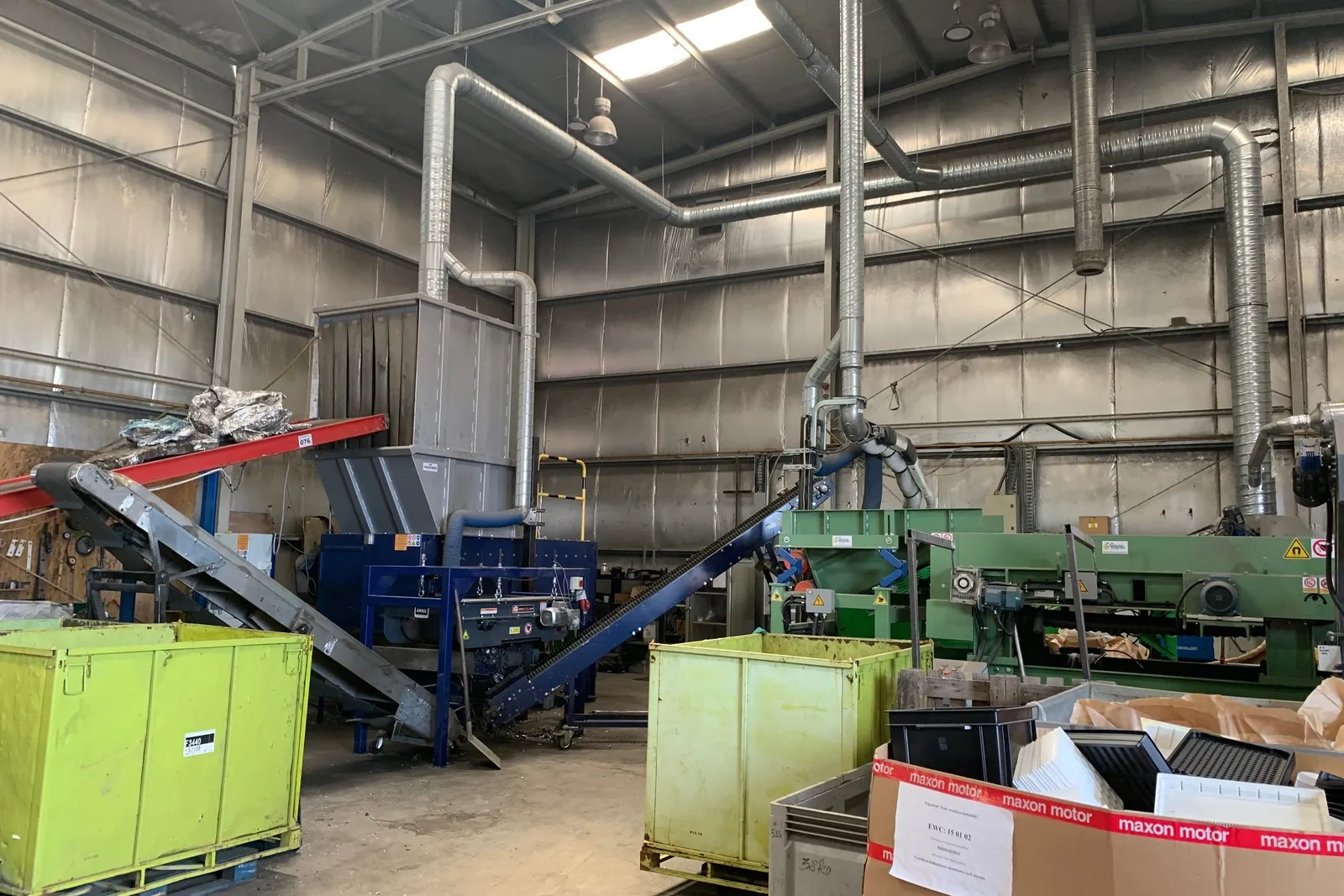
An invisible threat with explosive potential
Composite materials such as glass fibre- and carbon fibre-reinforced plastics are ubiquitous. They are lightweight, strong and durable, making them ideal for applications in aerospace, mobility, wind energy and construction. But processing and recycling them presents a technical challenge that is often underestimated: fine particles. These fine dusts are not only harmful to health, but can also create an explosive atmosphere under certain conditions.
Composites under pressure
Mechanical operations such as sawing, grinding and milling generate huge quantities of fine particles. In recycling, for example during the shredding or reprocessing of composite waste, dust levels are even higher. “It is precisely these barely visible fine particles that pose the greatest danger,” explains Gunther Maes, Commercial Director, Configured Solutions at Nederman. “They can accumulate in machinery, on electrical components or in air ducts. And if the dust is combustible, the risk of a dust explosion becomes real.”

ATEX: more than just a label
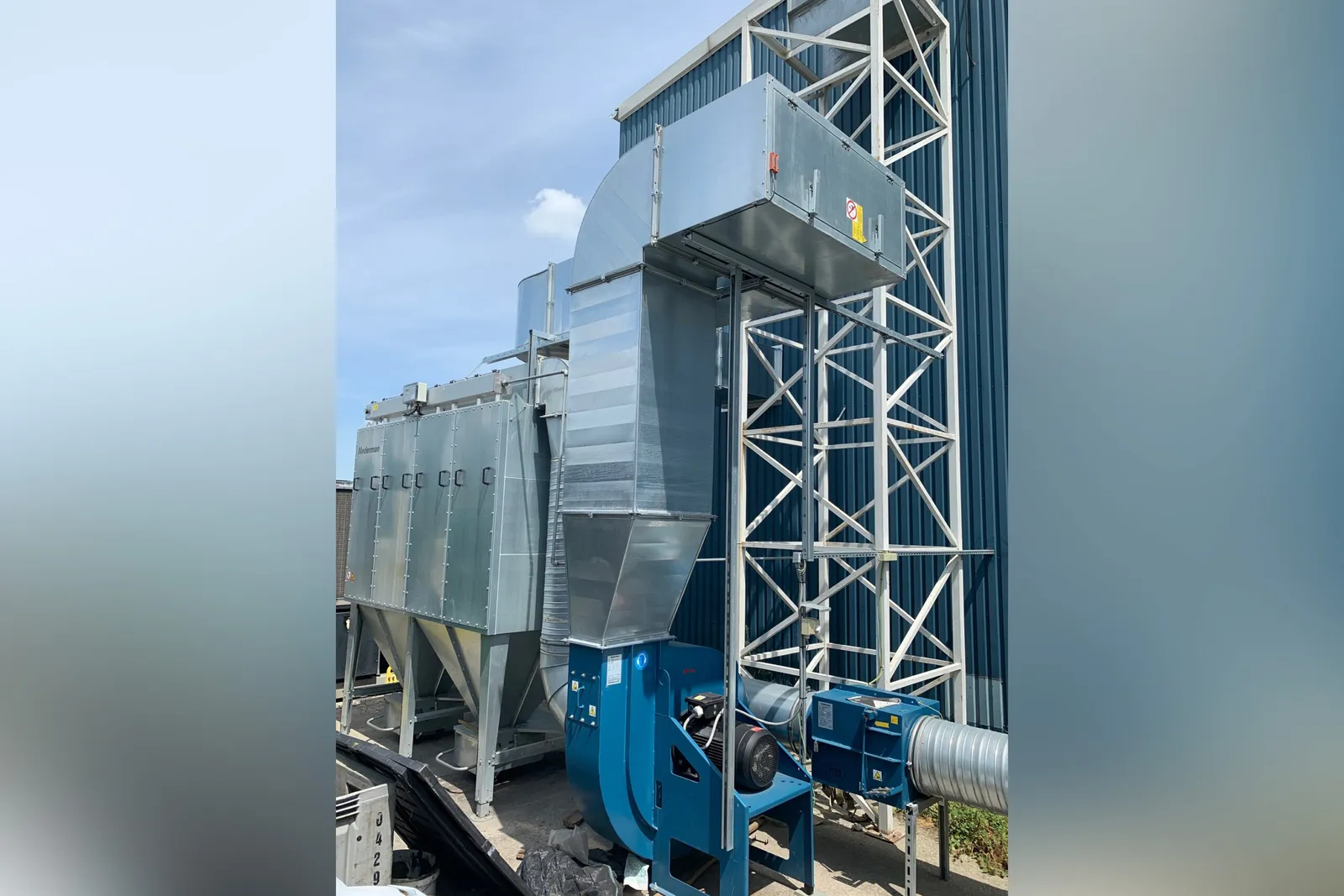
In Europe, these risks are governed by the ATEX directives. They require companies to classify their work areas according to explosion risk (Zone 20, 21 or 22) and take appropriate measures. “Companies often think they are compliant because they have an ATEX-certified extractor,” notes Gunther Maes. “But there is more to it than that. The entire process needs to be assessed: from source capture to filtration technology, and from air transport to discharge.”
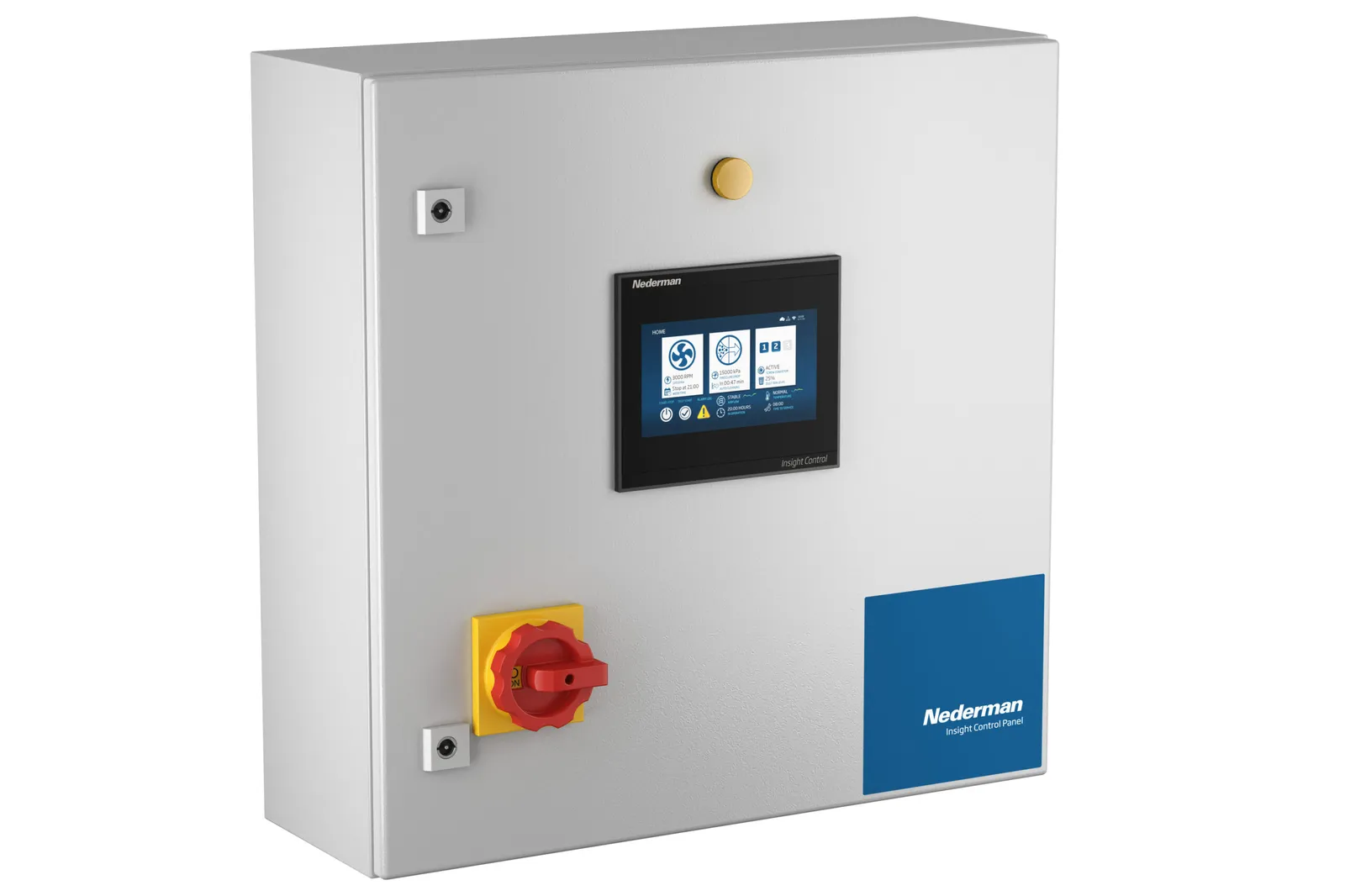
At Nederman, this means designing solutions that extract dust directly at source, combined with explosion-protection components such as non-return valves, explosion vents, antistatic ducting and earthing. Systems such as the MCP SmartFilter are equipped with sensors to monitor flow rates, saturation levels and pressure drop. This ensures not only safe operation, but also energy efficiency.
Composite recycling: complex and layered
Composite recycling is still in its technical infancy. Many initiatives focus on thermoplastics, which can be reprocessed using heat, or on fibre recovery. These processes involve shredding, heating or chemical separation, all of which generate dust, vapours or gases.
“We often find that recycling companies focus on the processing plant, but treat extraction as an afterthought,” explains Gunther Maes. “That is risky. Without a well-designed extraction system, you are literally creating a ticking time bomb. Especially when dealing with large volumes or mixed streams whose exact composition is not always known.”
Work smarter and more safely
Alongside explosion protection, ergonomics and ease of maintenance also play a role. By limiting dust concentrations, machine wear is reduced, air quality for employees is improved and the risk of breakdowns falls. “Every gram of dust you don’t have to clean up saves time and money, and improves safety,” sums up Gunther Maes.
There is another benefit: companies that monitor their dust data can also plan maintenance proactively and optimise energy consumption. Thanks to intelligent modules, extraction only takes place where and when it is needed. “We now offer extraction systems that adapt to actual usage,” explains Gunther Maes. “This is not only sustainable, it also reduces the total cost of ownership.”
Checklist for ATEX-compliant extraction when processing composites:
- Has zone classification (20/21/22) been mapped correctly?
- Are the filtration units explosion-proof?
- Are the ducting and components antistatic?
- Is there earthing and are non-return valves installed?
- Is the system monitored using pressure and dust sensors?
Question about this story? Ask your question
Keep following this
Get an email when a new story is published. No account needed.
- ThemeGiving materials a second life
- SubjectNews







