












Depolluting and dismantling ELVs with surgical precision
Texte Luc Ophals | Photos Braave
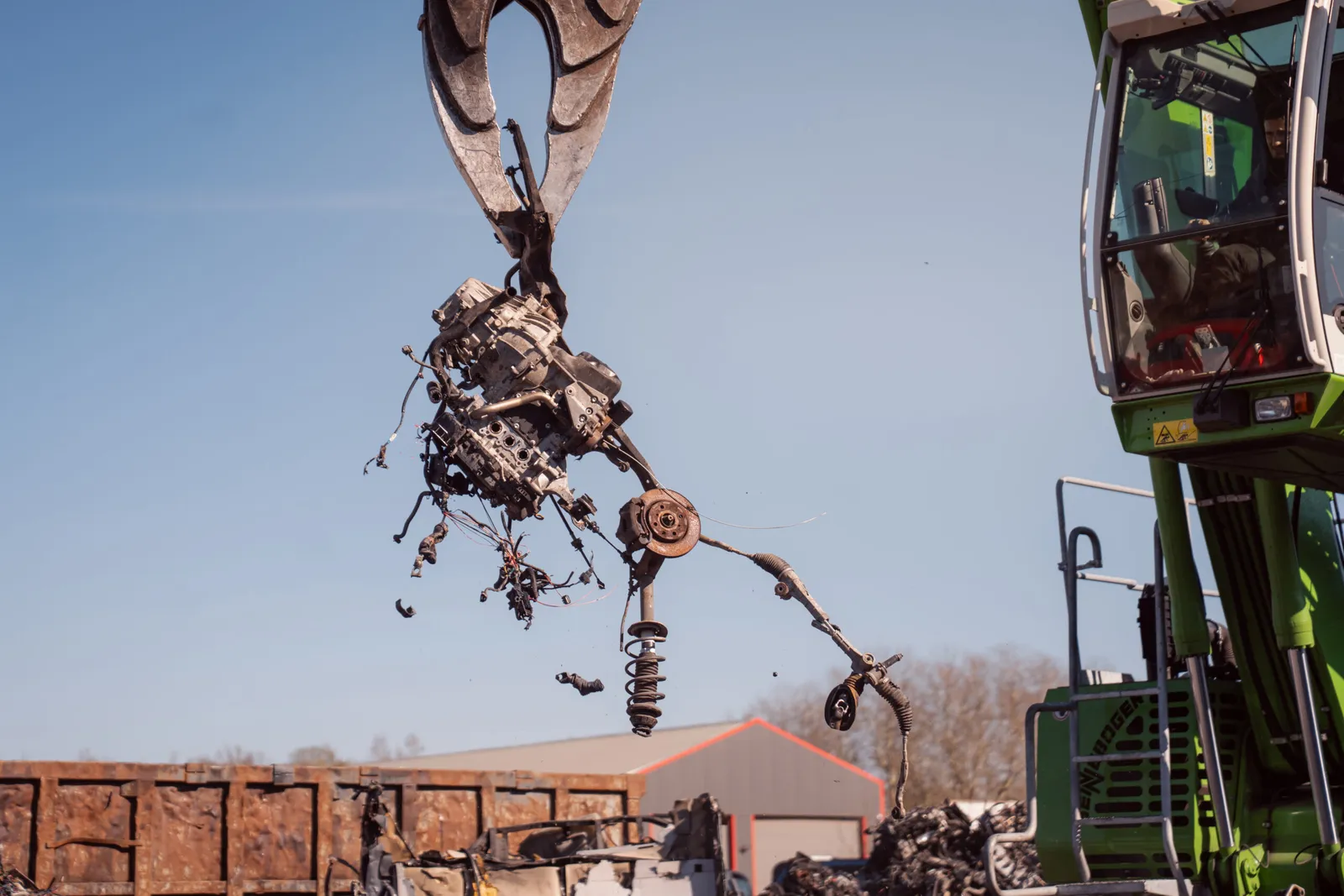
At Recycar, the depollution and dismantling process for end-of-life vehicles is designed to minimise losses as far as possible by recovering and recycling a range of parts and materials. From the swift removal of the wreck to the thorough and efficient depollution of the vehicle, professionals and private customers can also be confident of finding the spare part they need, thanks to a very large and diverse stock. At a lower cost and with short lead times.
Depolluting and dismantling ELVs with surgical precision
“Recycar is an authorised Belgian car scrapyard for the depollution and dismantling of end-of-life vehicles (ELVs). It has been operating since 1993 and is part of the Comet Group,” says Maxime Grosjean, Managing Director of Recycar.
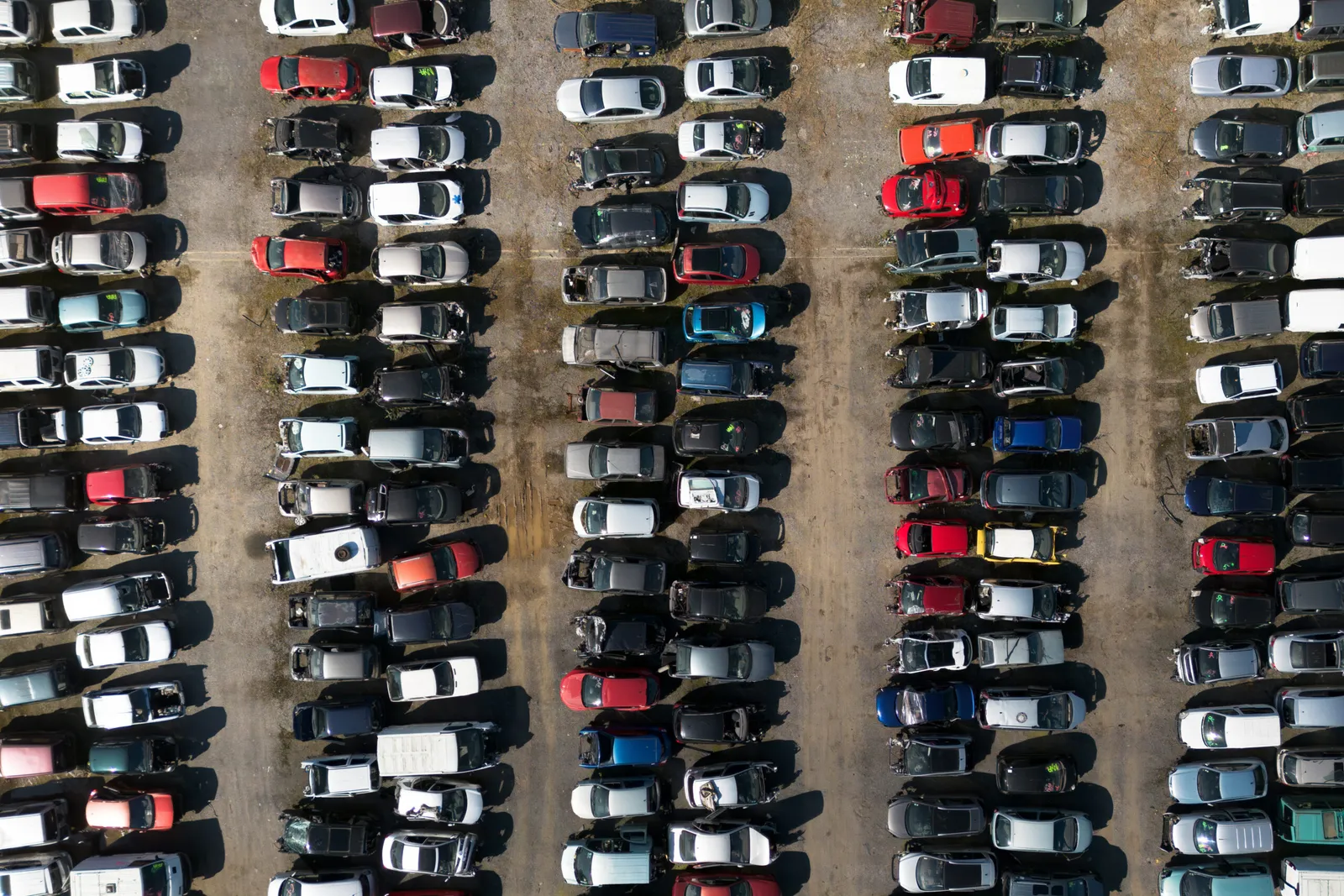
“We operate at two sites: our Châtelet site, which can process around 2,500 vehicles a year, and our French site, Auto2000 in Boussois, some 50 km away. With a larger footprint, the Auto2000 car scrapyard can process around 3,000 to 4,000 vehicles a year.”
Europe’s highest recycling rate
“At Recycar, we do more than collect, depollute and dismantle ELVs. We also feed them into a recovery process through the various subsidiaries of the Comet Group. Before shredding, fluids (screenwash, oil, fuel, coolant and brake fluid) are drained, and batteries, tyres, particulate filters and oil filters are removed. Some bodywork and mechanical parts that are still in good condition can be resold on the used parts market. Once all these operations have been completed, the depolluted shell is sent to the Obourg shredder for material recovery. In the end, we achieve a recovery rate of 98%.”
(function() { const wrapper = document.getElementById(‘related-article-section’); const linkElement = document.getElementById(‘target-link’); const url = linkElement.href; // We try to retrieve the URL fetch(url, { mode: ‘no-cors’ }) .then(() => { // If the fetch does not fail, show the section wrapper.style.display = ‘block’; }) .catch(err => { // If there is an error (e.g. 404 or domain offline), keep the section hidden console.log(‘Link is inactive, section remains hidden.’); }); })(); .related-article-wrapper { max-width: 760px; margin: 40px auto; font-family: ‘Helvetica Neue’, Arial, sans-serif; box-sizing: border-box; } /* Divider styling (both sides) */ .section-divider { border: 0; height: 1px; /* A stylish gradient that is slightly stronger in the middle */ background-image: linear-gradient(to right, rgba(0, 86, 179, 0), rgba(0, 86, 179, 0.5), rgba(0, 86, 179, 0)); margin: 25px 0; } .cta-text { font-size: 15px; color: #444; font-style: italic; margin-bottom: 15px; text-align: center; } .link-preview-horizontal { border-radius: 12px; overflow: hidden; background-color: #fff; box-shadow: 0 4px 12px rgba(0, 0, 0, 0.08); border: 1px solid #e1e1e1; transition: all 0.3s ease; margin-bottom: 25px; /* Space for the bottom divider */ } .link-preview-horizontal:hover { transform: translateY(-2px); box-shadow: 0 6px 20px rgba(0, 0, 0, 0.12); border-color: #0056b3; } .link-preview-horizontal a { text-decoration: none; color: inherit; display: block; } .preview-container { display: flex; min-height: 200px; } .preview-image { flex: 0 0 35%; background-color: #f8f9fa; } .preview-image img { width: 100%; height: 100%; object-fit: cover; display: block; } .preview-content { flex: 1; padding: 24px; display: flex; flex-direction: column; justify-content: space-between; } .category { font-size: 10px; color: #0056b3; font-weight: 700; text-transform: uppercase; margin-bottom: 8px; } .preview-content h3 { margin: 0 0 10px 0; font-size: 19px; line-height: 1.3; color: #1a1a1a; } .preview-content p { margin: 0 0 15px 0; font-size: 14px; color: #555; line-height: 1.6; display: -webkit-box; -webkit-line-clamp: 2; -webkit-box-orient: vertical; overflow: hidden; } .preview-footer { display: flex; justify-content: space-between; align-items: center; font-size: 13px; padding-top: 12px; border-top: 1px solid #f0f0f0; } .read-more { color: #0056b3; font-weight: 700; } @media (max-width: 600px) { .preview-container { flex-direction: column; } .preview-image { height: 160px; } }
Remarkable precision
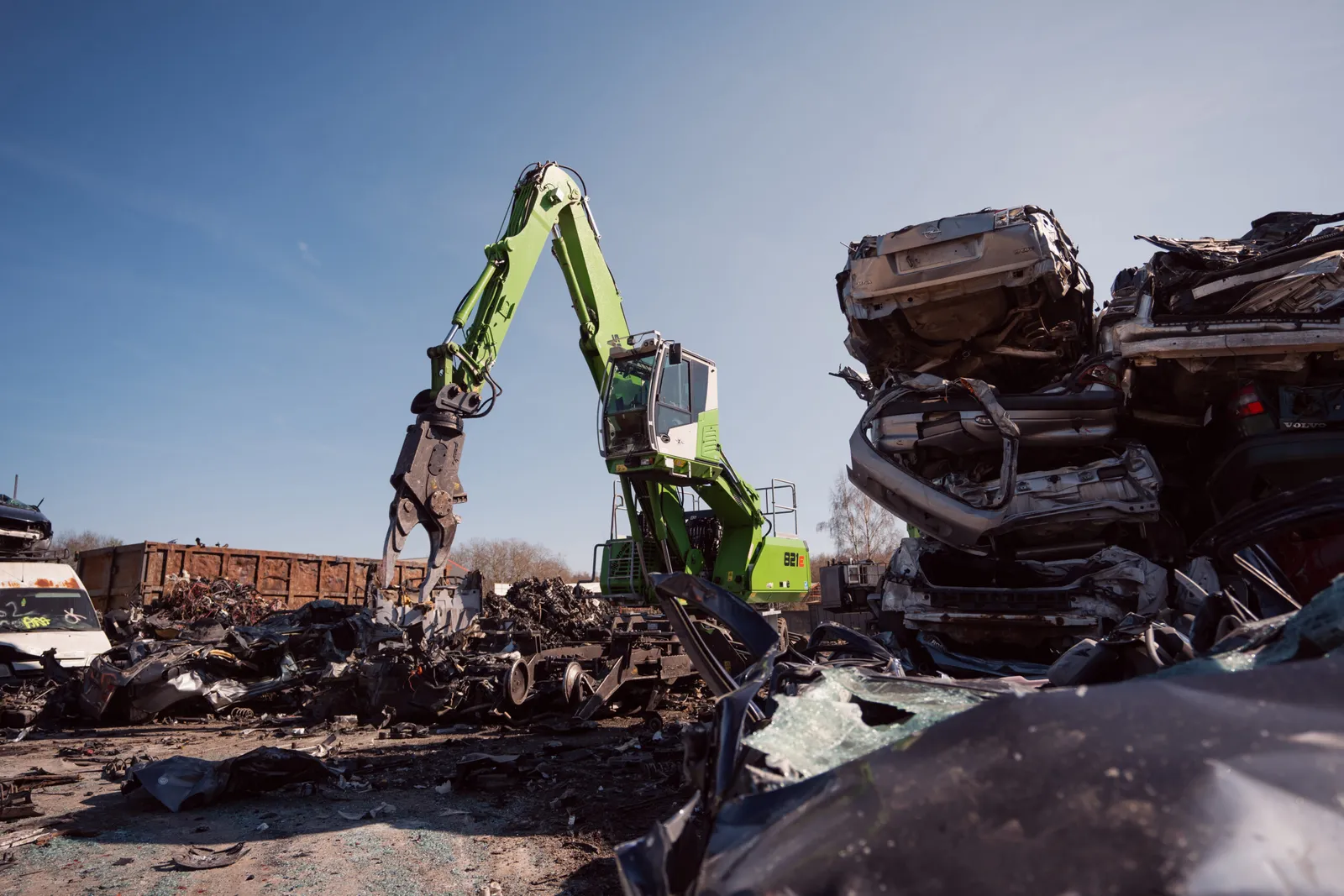
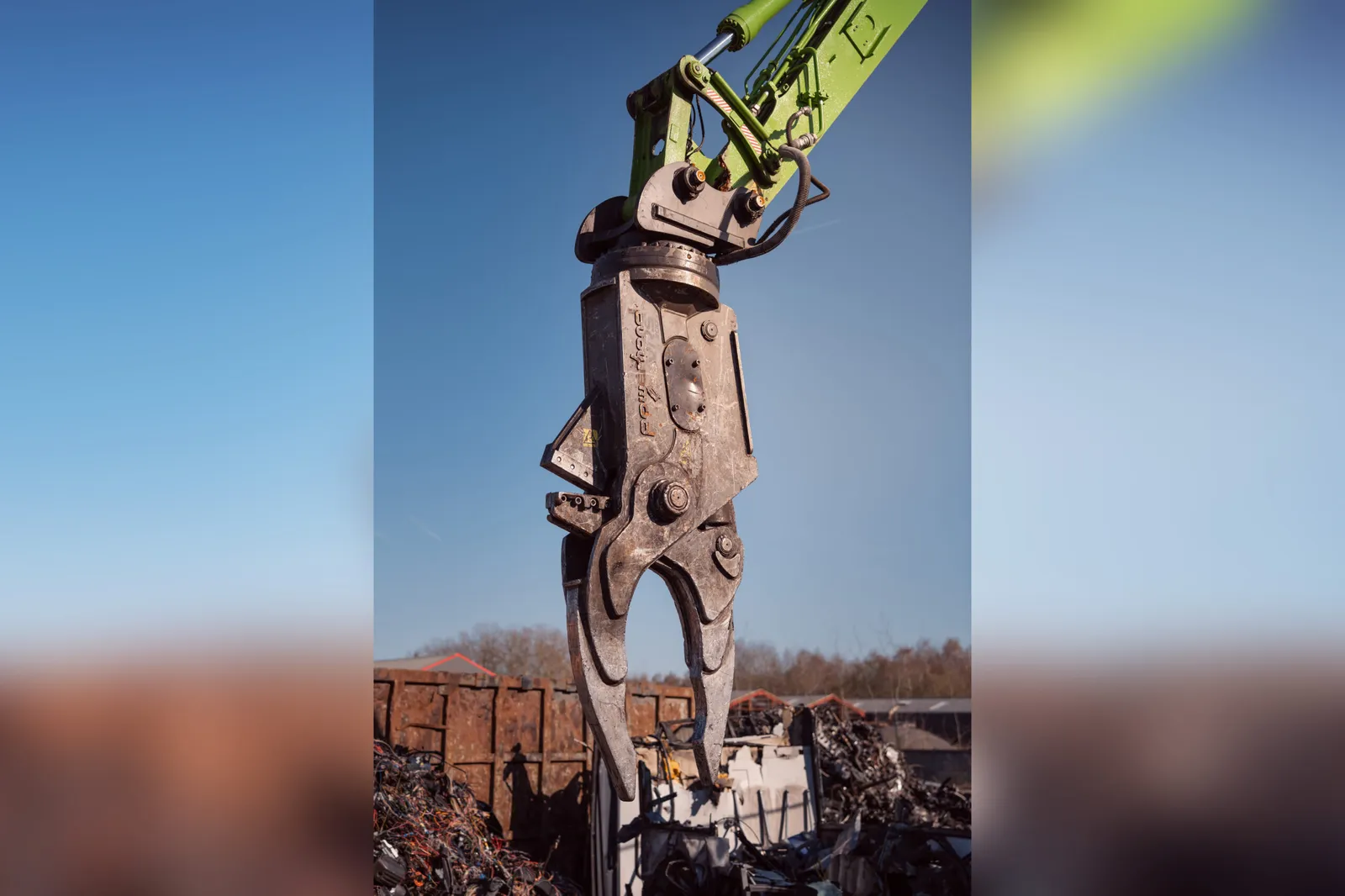
“To achieve the best price for each material category, in 2025 we invested in a Sennebogen 821 ME crane purchased through our partner SMT. Our previous crane, fitted with a simple grab, could only load and unload materials. The new crane allows us to properly separate all recoverable materials. We really do remove everything: engines, wiring, starter motors, catalytic converters, axles, shock absorbers, drive axles and so on.”
“Fitted with Powerhand equipment, the crane has a grapple that separates recyclable components from the car and extracts them precisely. It can also load semi-trailers and move around the site on its solid tyres. So it performs several functions. And because it is mobile, I can easily move it from one site to another, depending on vehicle deliveries and the volume to be processed. For example, we can now process around 50 vehicles a day. The arduous and time-consuming manual sorting is a thing of the past. This new crane really does optimise the entire recycling process.”
A well-oiled partnership
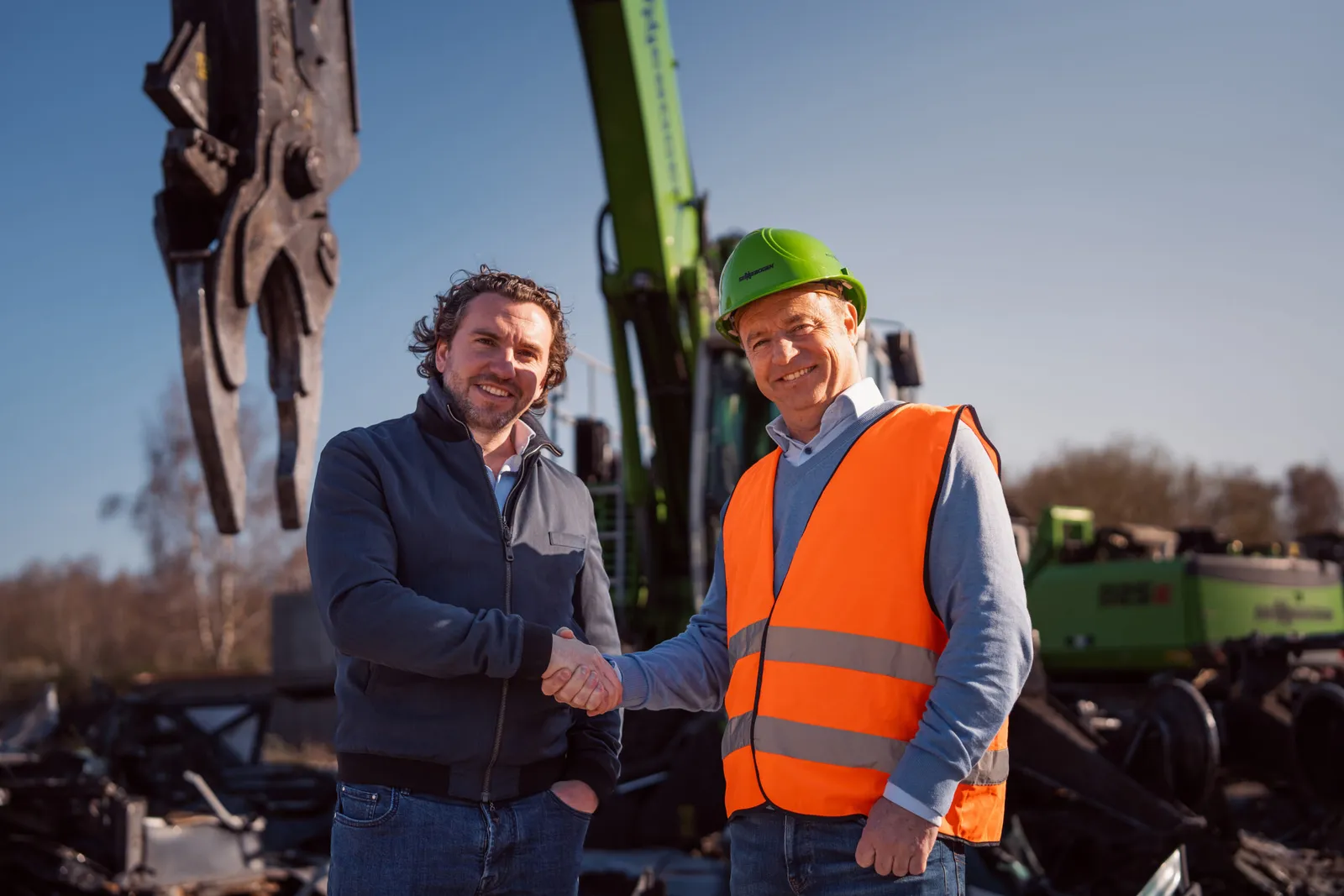
Dirk Philippe, account manager at SMT: “SMT has been working with the Comet Group for more than fifteen years. As for Recycar, Maxime wanted to acquire a crane that was powerful, mobile, reliable and robust, and capable of carrying out tasks with the greatest possible precision. That is what led to the choice of the Sennebogen 821 ME fitted with the Powerhand attachment. It is the first of its kind in Belgium. This machine has plenty of advantages: fuel savings and reduced noise levels, durable mechanics, high lifting capacities, a comfortable MaxCab cabin with safe access and egress and improved visibility thanks to two cameras, one on each side, extended maintenance intervals allowing 4,000 hours of continuous operation, and more. The new crane was delivered in early 2025 and has been running at full capacity ever since, without any problems.”
“Of course, having the best machine in the world is a good thing, but it is no use if it sits idle for long periods. In that respect, SMT’s after-sales service is very responsive and professional. It protects us from any nasty surprises. And in use, the recycling process is genuinely optimised while safeguarding my staff’s health,” concludes Maxime Grosjean.
Een zakelijke vraag aan SMT Belgium NV/SA? Get in touch
Companies in this story
Keep following this
Get an email when a new story is published. No account needed.
- ThemeRecycling metals and vehicles
- SubjectNews
- CompanySMT Belgium NV/SA







