From prevention to recycling: a responsible transition for Wallonia
In Wallonia, the environmental transition is based on a simple conviction: managing our resources better starts with consuming less. Sufficiency is not a joyless word: it is a clear-sighted, collective and practical choice in the face of dwindling raw materials, diffuse pollution and increasingly fragile ecosystems. Our responsibility is to design policies that support this movement, from waste prevention to recovery, while promoting more considered use of our land, air and water.
Take textiles, an emblematic example of our overconsumption. Behind a cheap T-shirt lie thousands of litres of water, dyes, transport and tonnes of synthetic fibres that sooner or later pollute our waterways. Today, the sector is in deep crisis: since separate collection became compulsory on 1 January 2025, the few available outlets have been saturated and operators have been put under pressure. That is why the Walloon Government has taken measures to increase pre-sorting storage capacity, introduce compensation per tonne sorted and exempt all registered operators active in the used-textile reuse sector from incineration tax. These emergency decisions are part of a long-term approach: preparing for the introduction of Extended Producer Responsibility (EPR) for textiles.
This gradual shift towards greater responsibility has already taken hold in several sectors, and can also be seen as an opportunity. In plastics recycling, Wallonia has invested in efficient local recycling streams capable of processing tens of thousands of tonnes of PET a year and producing food-grade material. These investments enable Belgium to achieve a recycling rate of more than 75% for collected plastic packaging, while reducing our dependence on foreign markets.
“Promoting responsibility without stigmatising, regulating without holding back: that is the approach I stand by.”
But recycling also means sorting correctly. Too often, batteries, gas cylinders or textiles end up in the wrong waste stream, with serious consequences: fires at sorting centres, injuries and loss of materials. These incidents remind us that prevention starts with sorting. Information campaigns and projects to improve safety at Recyparcs are in full swing, but the challenges remain enormous and are growing. The Region is pursuing this local policy at European level and supports the implementation of the European Batteries Regulation to improve the traceability and safety of these products.
Our responsibility extends beyond waste to the resources essential to life. The Regional Water Resources Plan 3.0, now being rolled out, embodies this integrated vision: interconnecting networks to secure supply, improving the quality of water bodies and helping major consumers use water more sparingly. This transition requires everyone to take part on an equitable basis. The true-cost system, whether for water used in industry or for waste, must ensure that every citizen and every business contributes in proportion to their use. Based on the polluter-pays principle, this approach is not punitive: it guarantees fairness and efficiency.
Promoting responsibility without stigmatising, regulating without holding back: that is the approach I stand by. Wallonia has always been able to combine environmental ambition with social innovation. By supporting sustainable sectors, modernising environmental taxation and embedding sufficiency in our everyday habits, we are building a resource economy that is circular, inclusive and proud of its local roots.
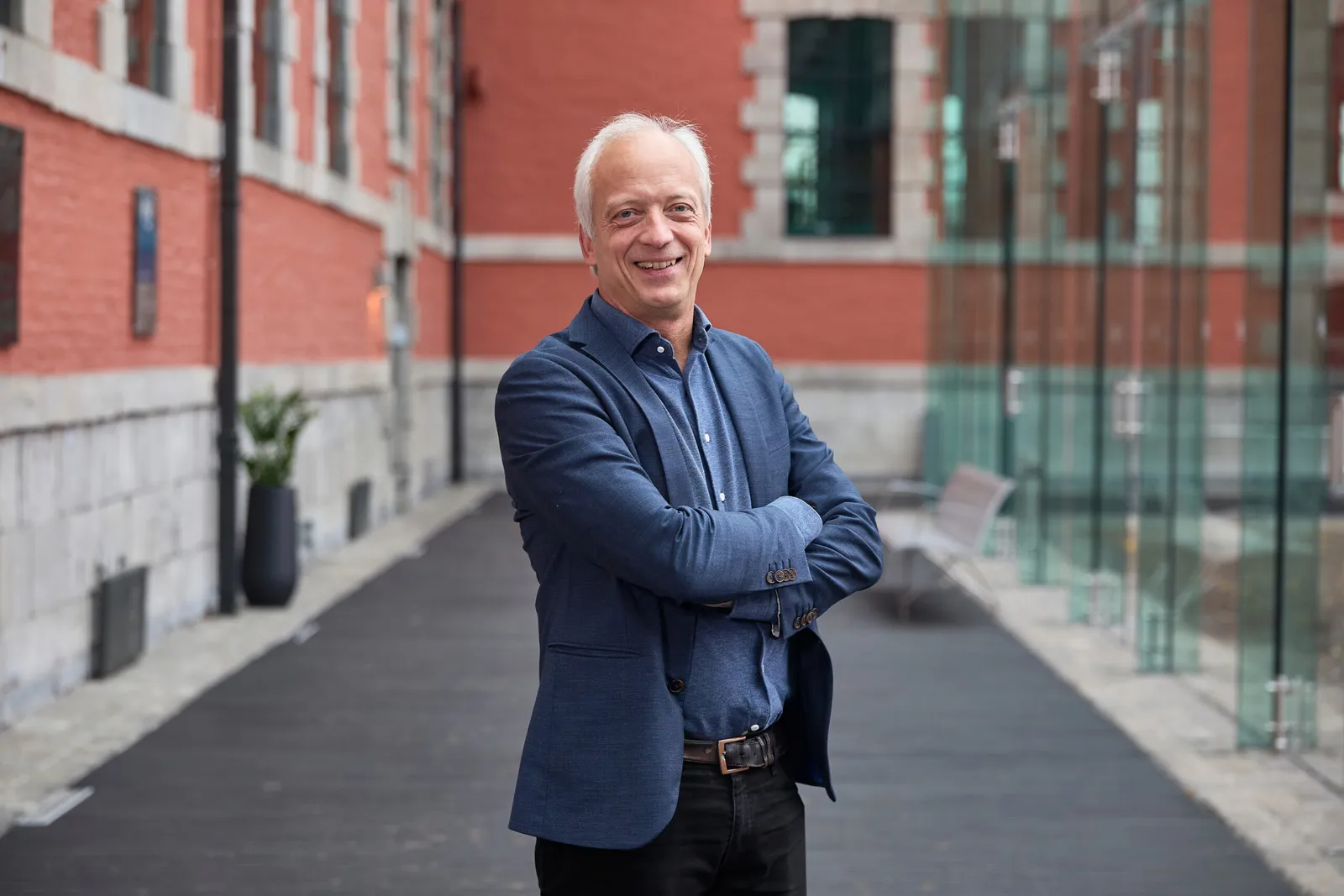
Yves Coppieters,
Walloon Minister for the Environment
Question about this story? Ask your question
Keep following this
Get an email when a new story is published. No account needed.
- ThemeDecontaminating waste and soil
- SubjectOpinion