












IFAT Munich 2026: circularity as a driver of competitiveness
Texte Kris Vandekerckhove / Van Ekeris Expo Service | Photos Van Ekeris Expo Service
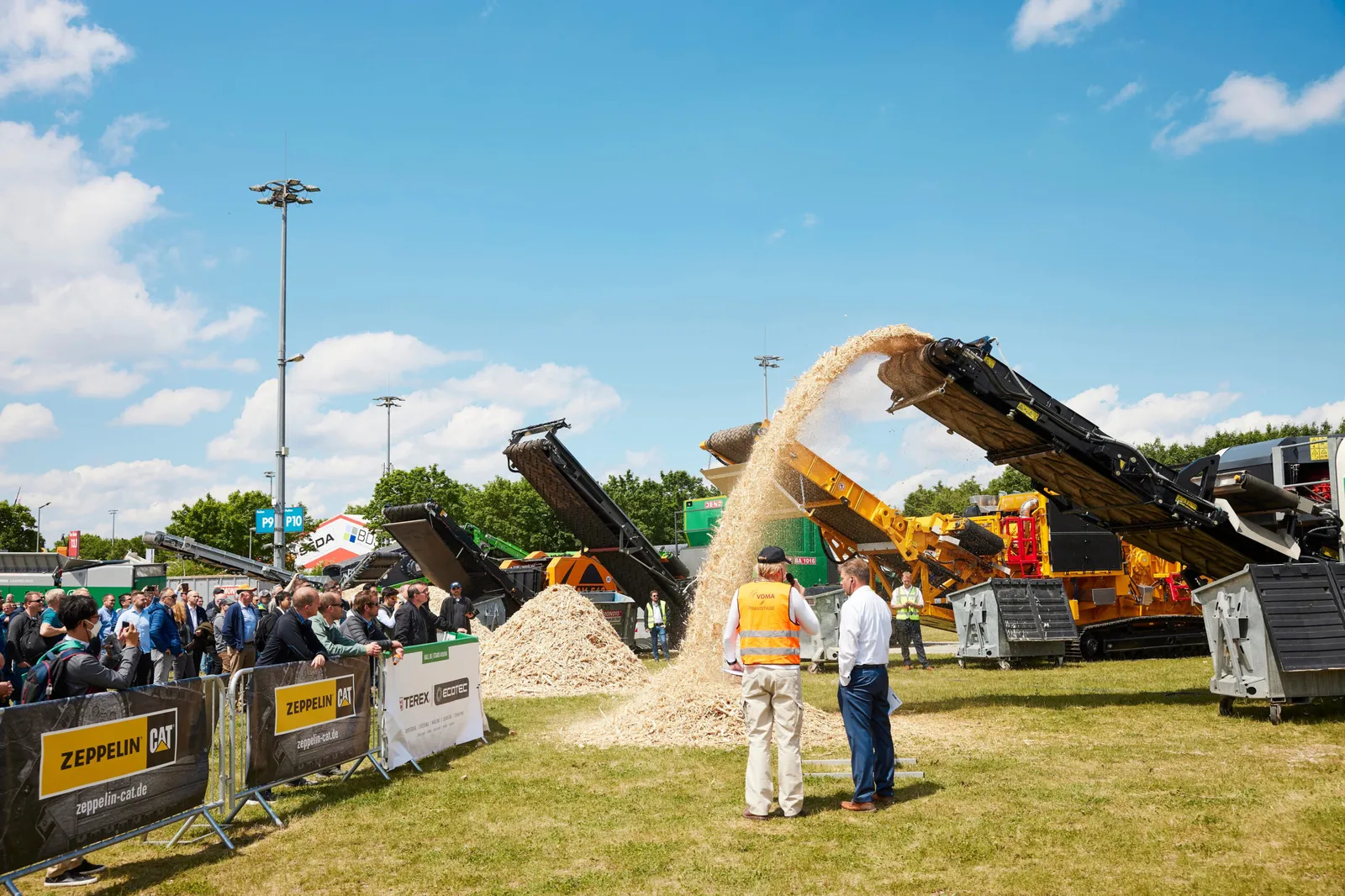
From 4 to 7 May 2026, IFAT Munich will celebrate its 60th anniversary. For the occasion, the world's leading trade fair for environmental technologies is not content to look back on six decades of innovation: it is setting out its ambitions for the future.
With an optimised format, a renewed positioning and a sharper thematic focus, IFAT Munich confirms its role as an international platform dedicated to solutions for water, recycling and the circular economy.
A four-day format for greater efficiency
From 2026, the show will be shortened from five to four days and will now run from Monday to Thursday. The decision follows a thorough evaluation carried out in consultation with exhibitors and industry organisations. The aim is twofold: to make the show more efficient and to make better use of participants' time and resources.
At a time when companies are scrutinising their spending on travel, logistics and event participation ever more closely, the return on a trade fair presence is becoming essential. Opening hours remain unchanged, ensuring that time spent on the exhibition grounds is used to the full.
A new name, a clear message
In 2026, the show will also adopt a new name: IFAT Munich, Solutions for Water, Recycling and Circularity. This change reflects the sector's strategic priorities more explicitly. The challenges of today, dwindling resources, geopolitical tensions, fragile supply chains and climate change, are closely interlinked. Security of supply, ecological resilience and economic competitiveness can no longer be addressed separately. Closing material cycles is no longer a choice but a strategic necessity for Europe's economies.
IFAT stresses, however, that circularity alone is not enough. Building sustainable infrastructure relies on the interplay of different technologies and approaches: efficient water and wastewater management, waste recovery, digital tools, logistics innovation and cross-sector cooperation.
Sustained growth despite a strained economic climate
The figures confirm the growing importance of environmental technologies. Five months before the show opens, registrations are already up 10% on the previous edition. More than 3,000 exhibitors from over 60 countries are expected, spread across roughly 300,000 m² of exhibition space, covering 18 halls as well as extensive outdoor areas.
Another strong signal is the growing interest from policymakers, the scientific community and business. In a climate marked by economic stagnation in several parts of Europe, the environmental technology sector continues to grow and is an important pillar of industrial competitiveness and resource sovereignty.
Knowledge transfer and innovation at the heart of the show
As in previous editions, knowledge sharing and international networking take centre stage. The 2026 programme will be built around three themed stages.
The Blue Stage will focus on water resources, wastewater reuse, network maintenance and climate-resilient infrastructure. The Orange Stage will emphasise the circular economy, resource efficiency, material flow management, logistics, mobility, and technologies for municipal services and waste management. The Green Stage will give exhibitors a space to present their innovations and solutions in an interactive format.
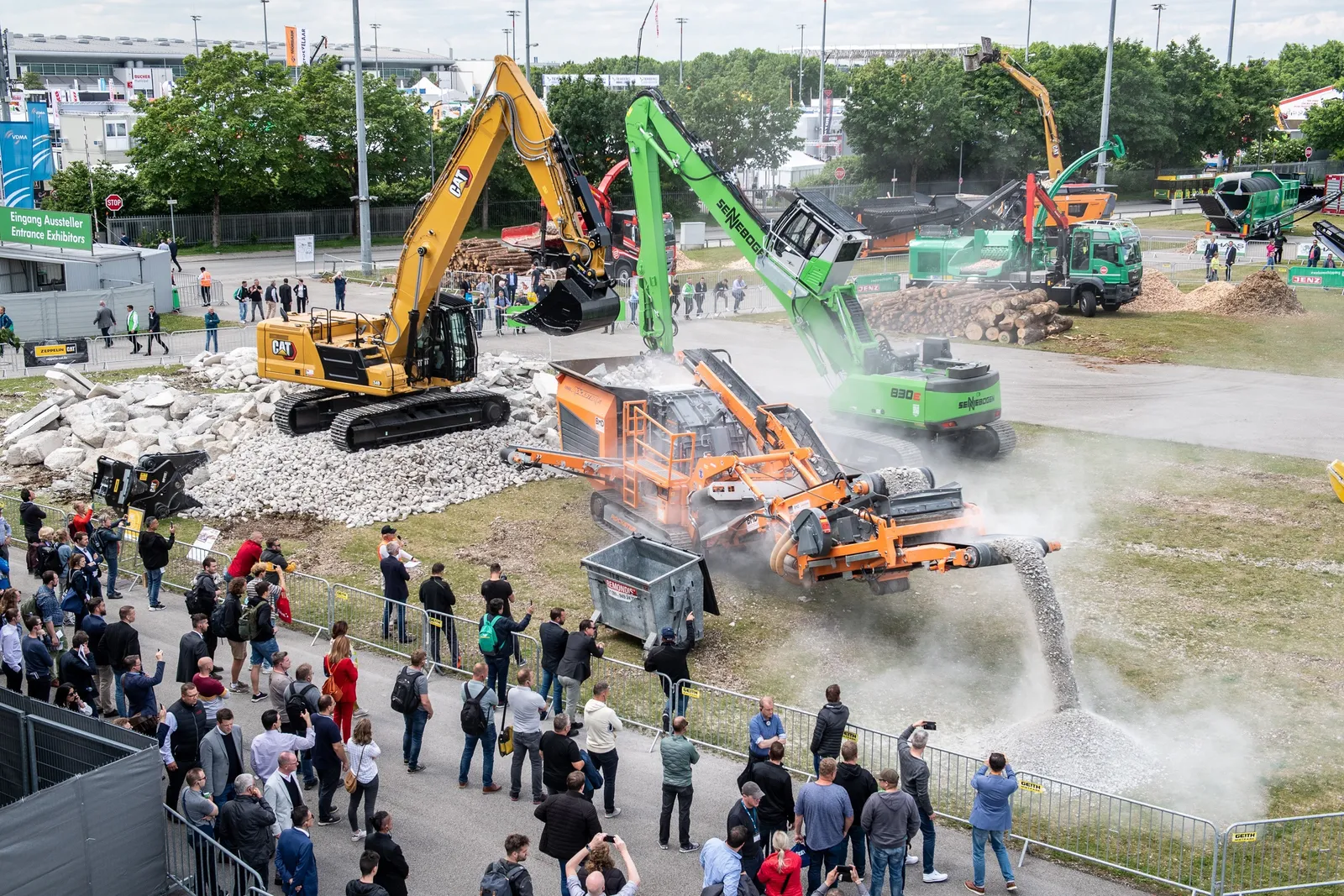
The programme will be complemented by themed guided tours, special areas, live demonstrations and technical competitions. The Startup Area will showcase innovative models of collaboration and emerging solutions to accelerate the ecological transition.
With this combination of technical expertise, industrial innovation and international dialogue, IFAT Munich 2026 positions itself as a major catalyst for the transition to a circular, resource-efficient economy. Sixty years after its founding, the show remains not only a mirror of a sector in transition but also an active driver of transformation.
Question about this story? Ask your question
Keep following this
Get an email when a new story is published. No account needed.
- ThemeStrengthening recycling competitiveness
- SubjectNews







