












From recycling to green energy: Deceuninck's sustainability strategy in action
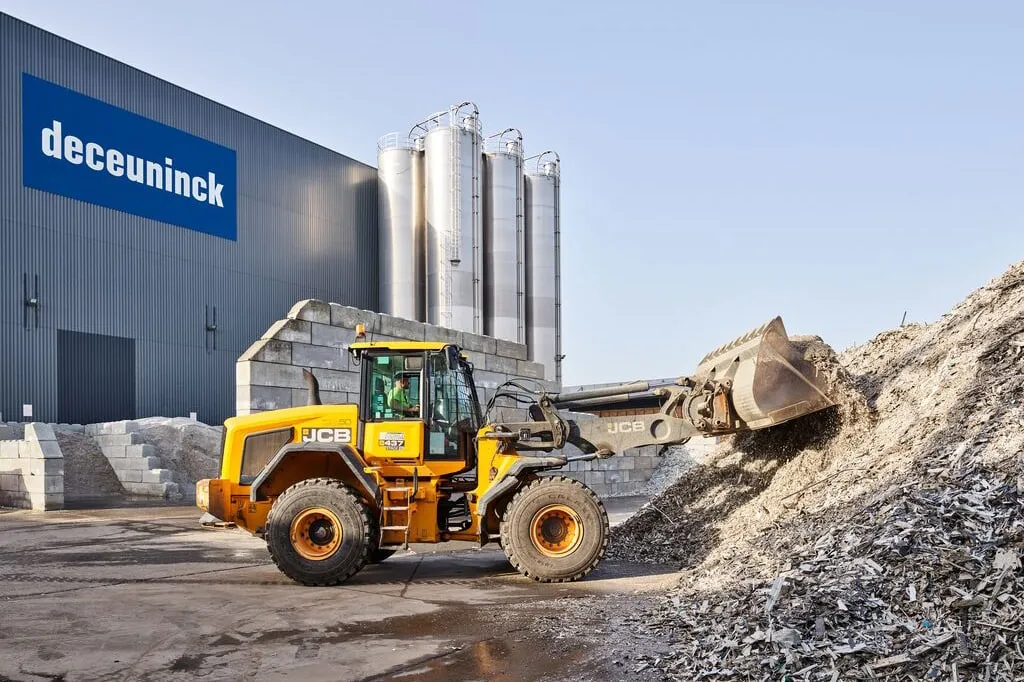
The milestone of 100,000 tonnes of recycled windows has been reached
Aware of its environmental impact, window and door manufacturer Deceuninck is strengthening its commitment to sustainability more than ever. The company is focusing on material reuse, waste reduction and limiting its CO2 emissions. Through a series of initiatives, Deceuninck is actively contributing to a more environmentally friendly future.
Using recycled materials: a virtuous circle
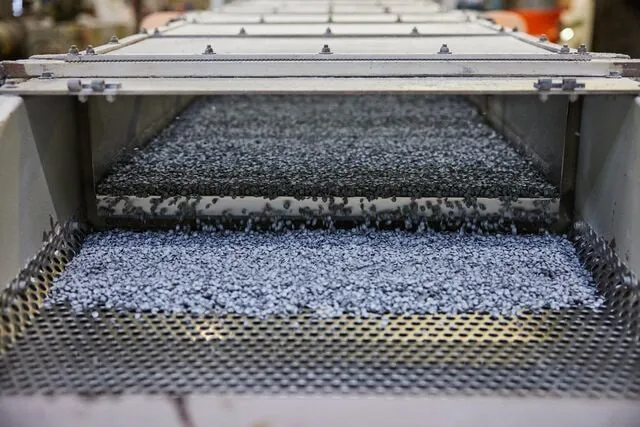
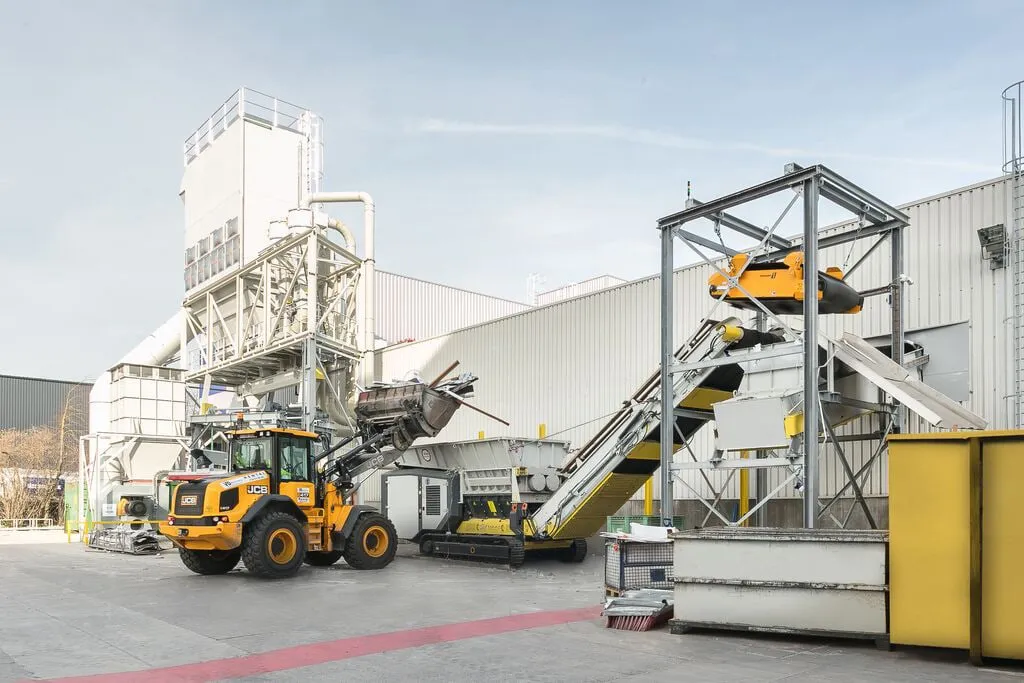
At Deceuninck, recycling is not limited to simply collecting materials. The company is committed to processing and reusing recycled material, thereby closing the loop on PVC waste recycling. For several years, Deceuninck has been recovering post-consumer waste through partnerships with collection centres in Belgium. This initiative has been extended with the GoBag solution, a practical service that makes it easier for installers to collect waste in large bags designed specifically for the purpose. The system collects around 70 tonnes of waste every month.
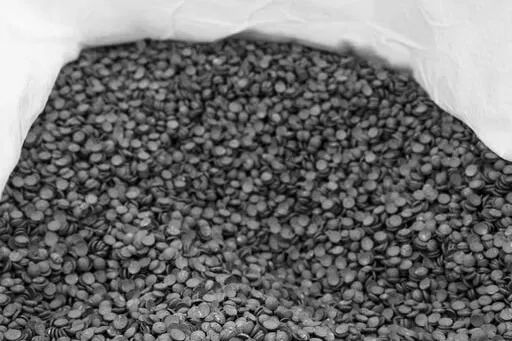
By recovering material from demolition and renovation work, Deceuninck is increasing the capacity of its own recycling plant, which can process up to 40,000 tonnes of material a year. That is equivalent to around two million windows that end up neither in landfill nor in an incinerator. What is more, PVC can be recycled up to eight times without losing its mechanical properties. With an average lifespan of 35 years, a PVC product can therefore theoretically last 280 years.
"By increasing our maximum recycling capacity and installing three new pelletising lines, we have passed an important milestone: 100,000 tonnes of recycled windows. Our profiles now contain 15% recycled material, and for the project market we have even launched the Phoenix profile, made 100% from recycled material. Every day, we are taking another step towards a future in which the use of recycled materials becomes the norm," explains Celine De Waele, Group Sustainability Manager at Deceuninck.
Reducing greenhouse gas emissions
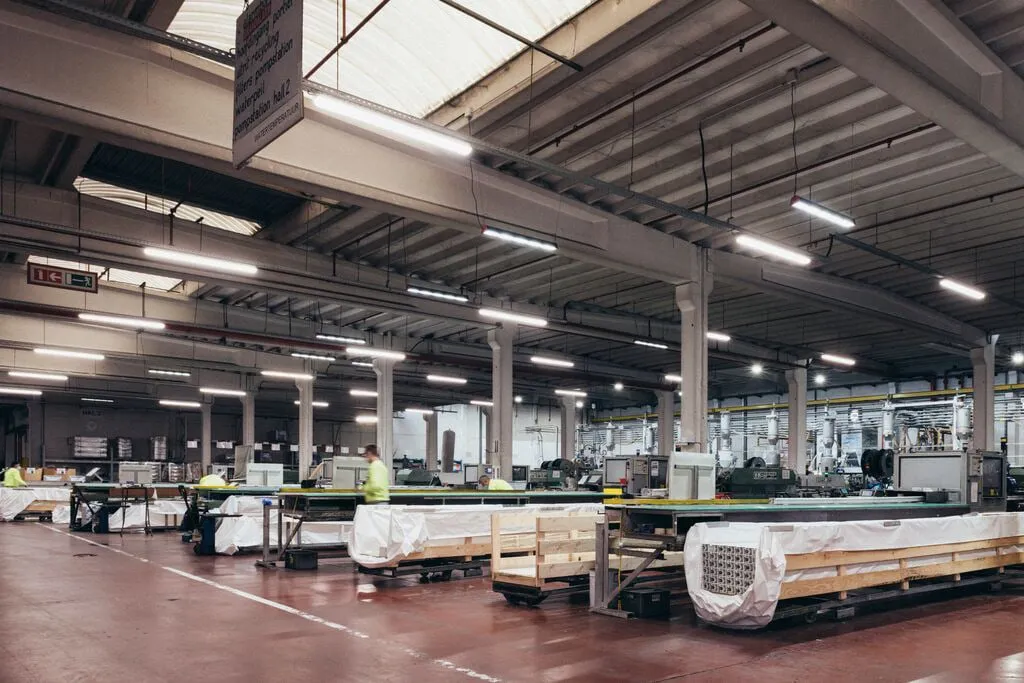
Deceuninck has set ambitious targets for reducing its greenhouse gas emissions, approved by the Science Based Targets initiative (SBTi). By 2030, the company aims to cut its direct emissions and those linked to purchased energy by 60%, compared with the 2021 baseline year. It has also committed to reducing indirect value chain emissions by 51.6% per tonne of production over the same period. The ultimate goal is to achieve net-zero emissions by 2050.
"We are on track to meet our targets. Last year alone, we avoided 37,000 tonnes of CO2 emissions, equivalent to the annual consumption of nearly 4,900 Europeans," says Celine De Waele.
Energy management: betting on renewables
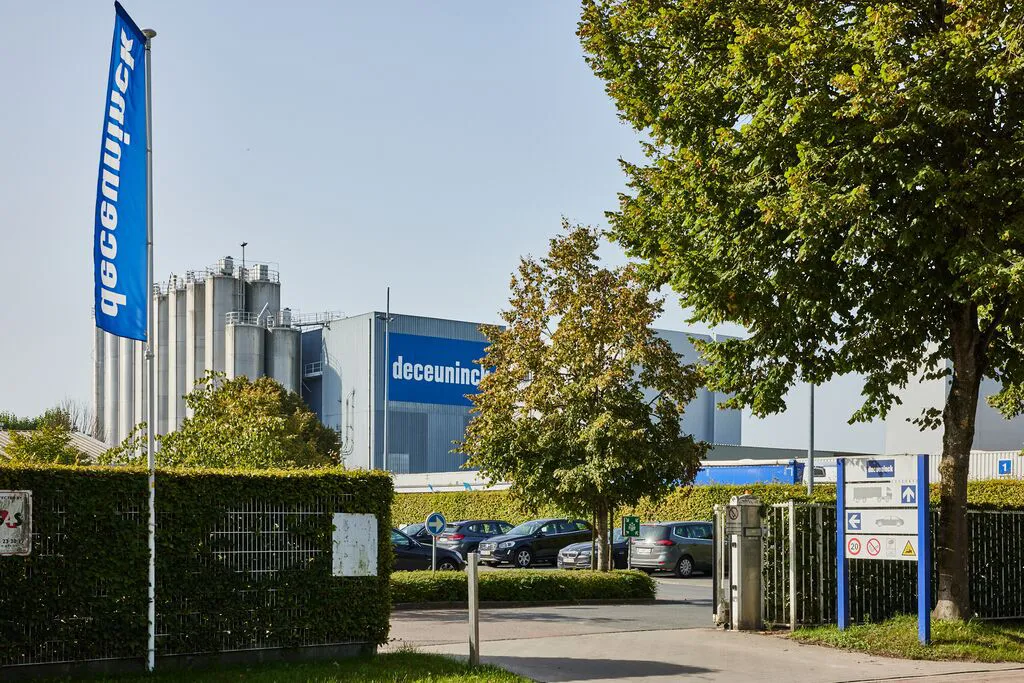
In addition to its recycling and emissions-reduction initiatives, Deceuninck is also investing in green energy. In 2023, the company installed 7,360 new solar panels at its headquarters in Gits, bringing the total to 10,140 panels. These installations cover around 20% of the company's local energy needs, equivalent to the annual consumption of 900 Flemish households.
"Sustainability is an integral part of our DNA. By investing in recycling, emissions reduction and product innovation, we are not only building a sustainable future for our company, but also contributing to a better world for future generations. Every window counts in our mission for a greener planet," concludes Celine De Waele.
Question about this story? Ask your question
Keep following this
Get an email when a new story is published. No account needed.
- ThemeStrengthening recycling competitiveness
- SubjectNews







