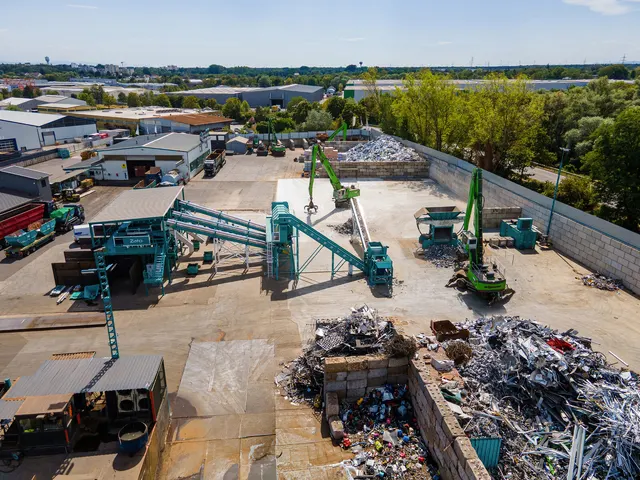
Urgent need for recycled plastics in the European automotive industry

The automotive industry is one of the largest users of plastics in Europe, relying on these materials to improve vehicle safety, support electrification, reduce emissions and make cars lighter. However, around 80% of plastics from end-of-life vehicles (ELVs) are either landfilled or incinerated, representing a massive loss of valuable resources and a significant environmental burden. This situation is a stark reminder of the inefficiency of our systems and highlights the urgent need for change.
The current state of the European plastics recycling industry is alarming. Plastics recyclers are struggling to stay in business because of weak demand and low prices. To ensure their viability, EuRIC has repeatedly called for ambitious mandatory recycled-content targets for plastics in vehicles.
Setting these targets is crucial to the survival of the European plastics recycling industry. By creating clear demand for recycled materials, the EU can encourage investment to increase the volume of material available for recycling, boosting plastics recycling and, in turn, the use of high-quality recycled materials.
What do we need in practice? We need the European Commission to set a minimum target of 25% recycled content for plastics in vehicles, with at least 25% coming from closed-loop recycling. This would finally help move the industry away from fossil-based materials!
The Joint Research Centre (JRC) supports this approach, saying that a 25% target would strike a balance between ambition and practicality. Such a target would give manufacturers clear guidance for planning while keeping costs at a reasonable level.
Imagine a future in which carmakers design their vehicles with recycling in mind, ensuring that valuable materials are reused rather than wasted.
However, achieving this target requires strong support from policymakers. If targets are weakened or delayed, this could create market uncertainty and deter the investment needed for innovation and growth in the recycling industry. Needless to say, if recycled-content targets are reduced or diluted, it will not be possible to achieve the 30% recycling rate for waste plastics proposed by the Commission. A stable policy framework is essential to encourage investment in new recycling technologies and increase plastics recycling rates.
Fair competition in the recycling market is also crucial. This requires robust certification processes for recycled content that focus on environmental and social standards, ensuring a level playing field.
To keep up the race towards circularity and ensure the viability of the European plastics recycling industry, European legislators must take decisive action. Weakening or postponing ambitious targets for recycled plastics in vehicles would jeopardise the vision of a green Europe, at a time when the EU needs, more than ever, resilient material supply chains.
Julia Ettinger
Secretary-General, EuRIC
Question about this story? Ask your question
Keep following this
Get an email when a new story is published. No account needed.
- ThemeRecycling metals and vehicles
- SubjectOpinion