Circular economy: let’s build momentum
Two years after the adoption of the Circular Wallonia Strategy, the first Walloon strategy dedicated to developing the circular economy in the region, the results are mixed. The strategy has helped give rise to many promising initiatives, but some actions have been weakened by a lack of coordination and consistency when they involved several ministries, insufficient involvement of on-the-ground stakeholders, or a lack of prioritisation. We have also observed a dispersal of human and/or financial resources across actions with widely varying environmental impacts.
The ambition to develop the circular economy is confronted with legislative and administrative realities. When it comes to the circular economy, a “waste” mindset still largely prevails, giving rise to numerous practical difficulties. For example, when waste ceases to have waste status (“end of waste”), the obligation to declare the quantity placed on the market still applies.
Another example of this lack of consistency is that it is impossible to “downgrade” waste, even when the operator no longer wishes to discard it. A product or material that is cleaned externally so that it can be returned and reused in-house for the same purpose, with a continuous traceability system, is still considered “waste”. Finally, developing the circular economy also raises the issue of unwanted substances, once permitted but no longer allowed, which are found in end-of-life products and could potentially end up in new applications if those products are recycled.
The Circular Wallonia Strategy remains necessary. It has kick-started the development of the circular economy in the region, but now it is time for action: legislative and administrative barriers must be removed. Authorities and businesses need to work together to find solutions and ensure they are implemented. A good first step would be to jointly identify priority measures or material flows where positive action can deliver rapid benefits at a positive return and with minimal societal cost.
We propose a number of ways forward. Some provisions of the “waste” decree should be reviewed to facilitate the circular economy within and between businesses. It is also essential to allow product status to be assigned when an operator can regenerate its product for in-house reuse, on the basis of its own traceability process.
Industrial-scale pilot projects should be easier to develop, without necessarily requiring a permit amendment. To this end, the opportunities offered by “regulatory sandboxes” under European legislation must be made operational in Wallonia without delay.
The circular economy will develop in Wallonia if the framework in place allows businesses to exercise and deploy their full capacity for innovation and adaptation. This is a genuine opportunity, and many businesses have already recognised it. We are counting on a supportive administration and effective, pragmatic political decisions to create a fully favourable environment.
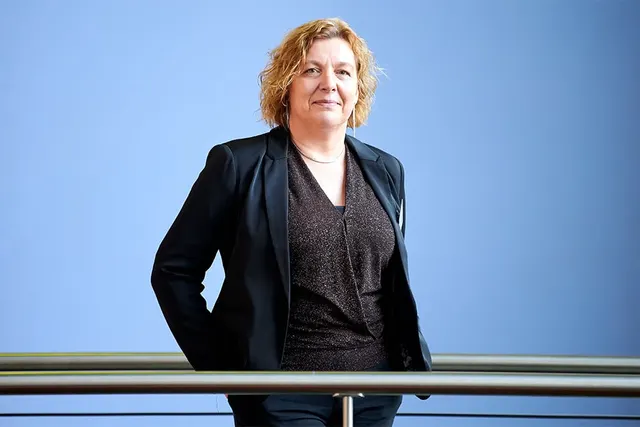
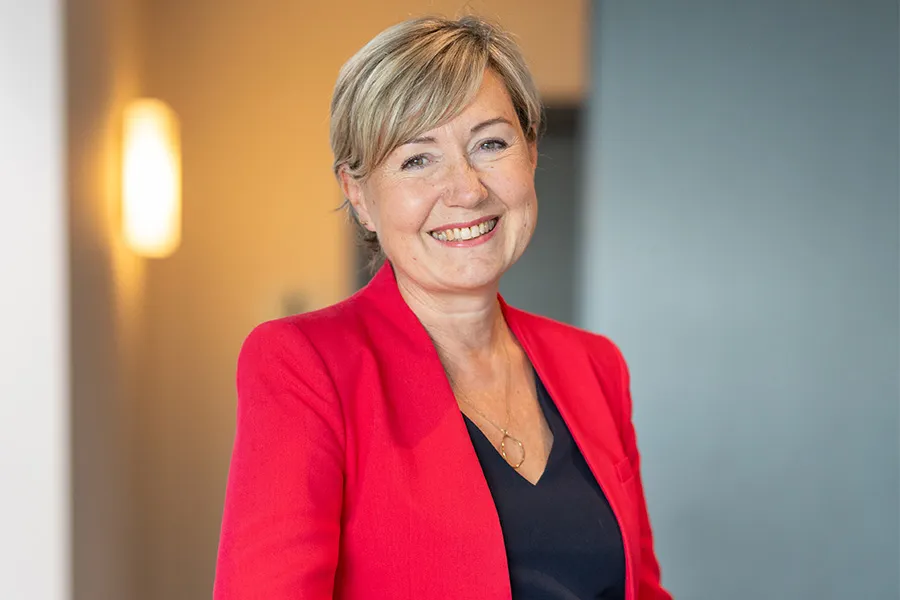
Cécile Neven, CEO of UWE
Question about this story? Ask your question
Keep following this
Get an email when a new story is published. No account needed.
- SubjectOpinion