“What I love is the variety of the work”
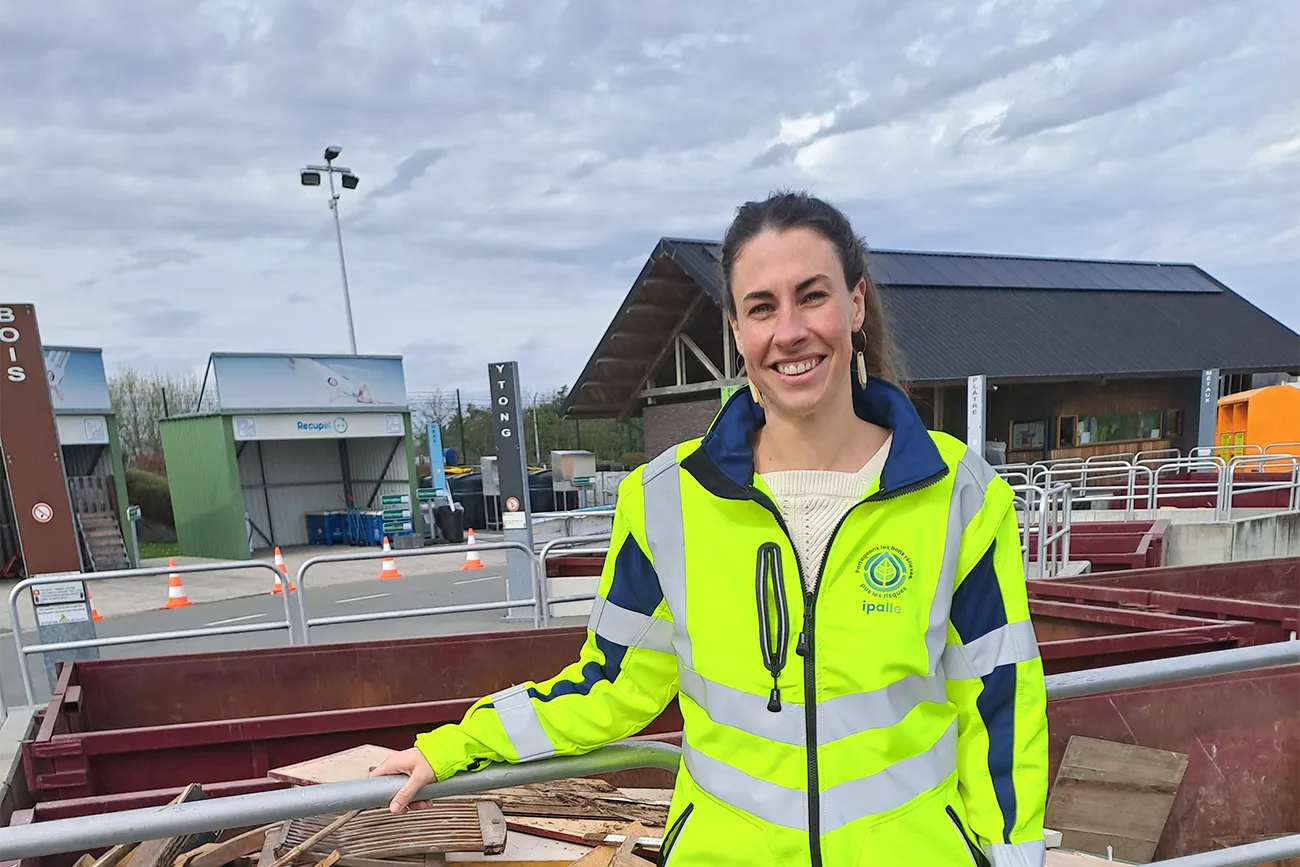
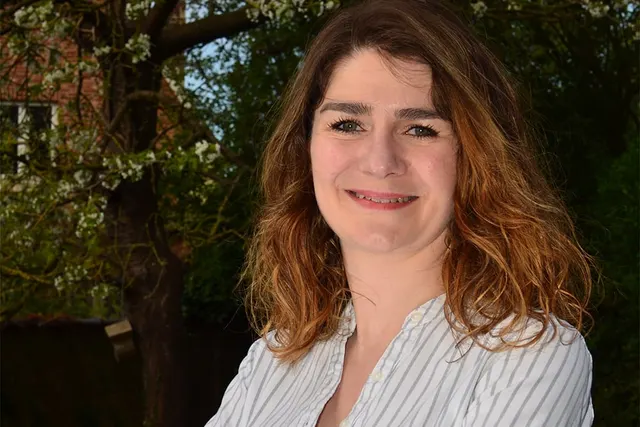
The recycling sector is still too often seen as a man’s world, although that is becoming less and less true. More and more women are finding jobs and making their mark in waste collection and treatment. We are delighted to introduce them to you in detail. In each issue, we invite a woman from the sector to talk about her work and what makes it so rewarding. For our first issue of the year, we hear from Louise Demasure, Project Engineer in Research & Development at IPALLE.
With a degree in bioengineering from the University of Gembloux, Louise Demasure used her final-year project as an opportunity to venture abroad, travelling to the Republic of Moldova to work on the rehabilitation of a landfill and the introduction of door-to-door collection on behalf of SPAQuE. The Suez group then sent her to Morocco as a VIE (international volunteer in a company), where she was responsible for biowaste management and developing the client portfolio. Back in Belgium, she joined Ipalle in 2017. “I’m 35 and still fairly new to recycling, but there’s no doubt that working abroad has given me the chance to engage with other cultures and approaches, and learn from them. It also allows you to look at the sector with fresh eyes. What’s more, travelling to a country in Eastern Europe or the Maghreb made me aware of the differences that can exist between men and women. There’s still a long way to go here, but Belgium, with its long history of cultural diversity, is ahead of other countries,” says Louise.
A variety of tasks and a multidisciplinary approach
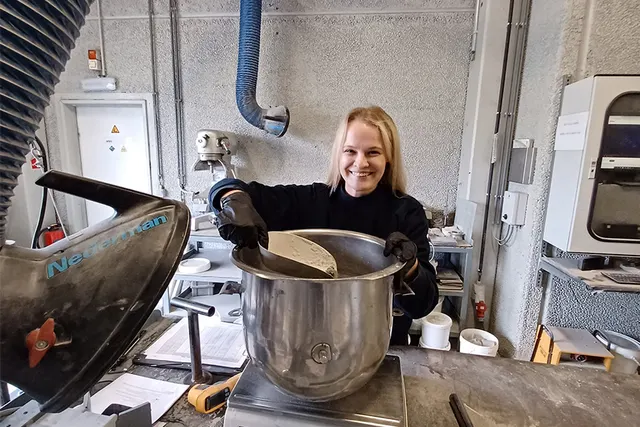
At Ipalle, Louise manages projects in the circular economy division. More specifically, she is responsible for developing new waste streams and improving existing ones, monitoring technical developments in the sector, and even overseeing the entire construction of a Recyparc. “What I love is the variety of the work. You can’t know every aspect of the job, but you learn something every day. Looking at a particular aspect with fresh eyes gives you the chance to question existing procedures and consider whether they are still relevant as the sector evolves,” she explains. She adds: “Ipalle is sometimes seen as being solely responsible for waste treatment, even though our remit also includes wastewater treatment at our 51 wastewater treatment plants and energy, for example through our 2 wind farms. We also manage the operation of the technical facilities needed to carry out our various tasks. This multidisciplinary approach is clearly one of Ipalle’s strengths.”
Prioritising dialogue and collaboration
At Ipalle too, the workforce is becoming more gender-balanced in the field. “My generation faces less of a shift in attitudes between men and women than previous generations did. There’s still progress to be made, but it’s no longer a daily battle. It’s more a matter of personality, open-mindedness and accepting different cultures. In reality, we all complement one another,” says Louise. “If major efforts are needed, they are more likely to be in academia, where waste and recycling are under-represented. Courses focus too little on practical applications. And in keeping with the principle that ‘the best waste is waste that does not exist’, we should talk more about consuming less, eco-design for recycling and reuse, and adding value to secondary materials. Consuming less is clearly essential given the current and future climate and environmental challenges. By choosing to work on the ground, I can contribute to making things happen in the best possible way,” she concludes modestly.
Question about this story? Ask your question
Keep following this
Get an email when a new story is published. No account needed.
- SubjectWoman in the spotlight