Understanding each other better and working together
Texte Luc Ophals | Photo Marie Van Breusegem
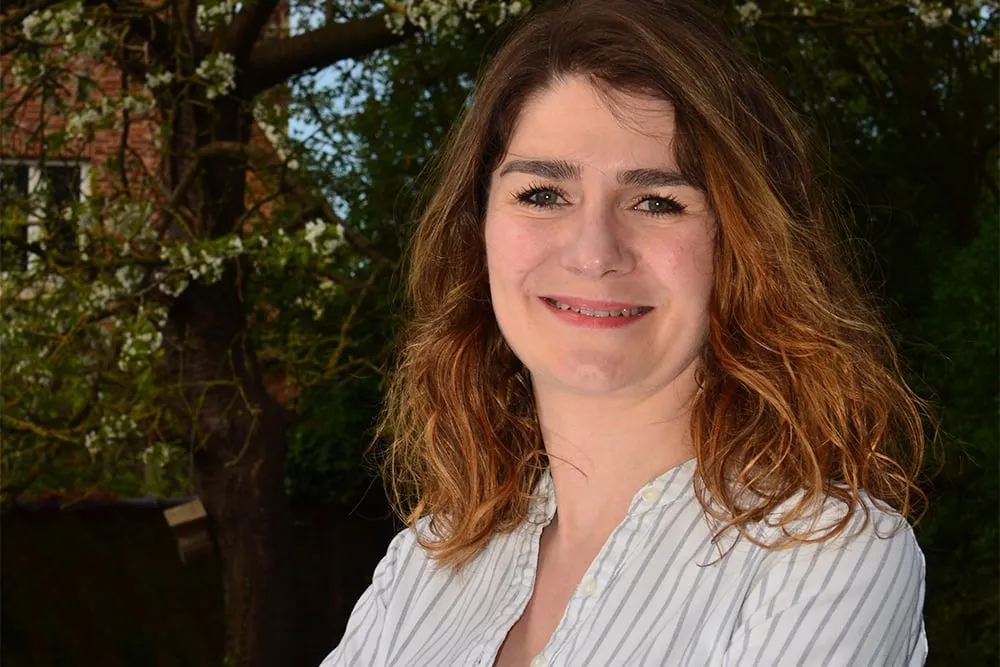
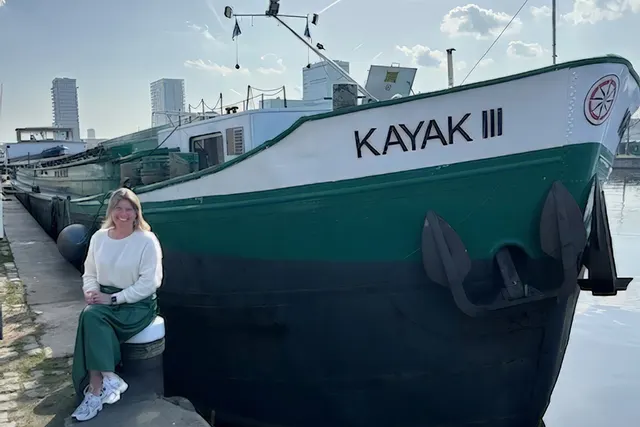
The recycling sector is still too often seen as a man’s world, although this is becoming less and less true. More and more women are finding jobs and building careers in waste collection and treatment. We are delighted to introduce them to you in detail. In each issue, we invite a woman working in the sector to talk about her job and what makes it so rewarding. For the first issue of the year, we hear from Marie Van Breusegem, Sustainability & Circular Economy Senior Advisor at Comeos.
A qualified lawyer, Marie Van Breusegem quickly developed an interest in environmental issues. After her first role as a lawyer at the COBEREC federation (editor’s note: now part of DENUO), she joined metal recycling company Stevens Recycling, where she took on the challenge of launching an electronic equipment recycling operation. “It was an excellent hands-on experience,” she tells us. A few years later, a career opportunity took her to Comeos. “At Comeos, I am responsible for waste-related matters, but from a different perspective this time, as we represent companies that market products and have extended producer responsibility. I sit on the boards of several management organisations, so I am exposed to the realities of both worlds,” says Marie.
Lack of understanding and misinformation
There is no doubt that everyone is aware of the climate challenges and that all stakeholders, recyclers and producers alike, recognise the need to promote a more sustainable, genuinely circular economy. Yet it is clear that much more effort is still needed to improve communication and dialogue on both sides of the divide. Marie explains: “People working on the ground tend to think that producers are not sufficiently aware, or not aware at all, of environmental issues. But nothing could be further from the truth. Producers understand the challenges and care about end-of-life recyclability. However, they also face financial and technical challenges that need to be taken into account when setting up the best possible recycling system. Take mattresses, for example. The Denuo federation is right to advocate eco-modulation based on product recyclability. A different fee structure obviously provides an incentive to change a product, but it is also worth noting that it is unrealistic to expect a producer to adapt to just one local market. The situation needs to be analysed on a larger scale, at European level, for example.”
A man’s world? Less and less so.
Marie says she has never noticed any significant difference in how female and male staff are treated. “It is true that recycling is seen as a fairly physical, somewhat rough and dirty world. At least, that was the image it had a few years ago. But things have changed considerably. The sector is moving towards a more positive image. Yet whether at Stevens Recycling or Comeos, there is nothing to suggest that women do not belong. On the contrary, I have noticed that more of Comeos’s member companies have women in charge of sustainability. What I regret is the attitude of some political leaders, who continue to associate producers with the idea of being wicked polluters. When you see the commitment, the efforts and the resources the retail sector is putting into promoting sustainability, it becomes clear that this mindset needs to change,” she concludes.
Question about this story? Ask your question
Keep following this
Get an email when a new story is published. No account needed.
- SubjectWoman in the spotlight