The recycling industry responds to the proposal
Texte Valérie Couplez | Photos EuRIC et iStock
A call to include the recycling sector in extended producer responsibility
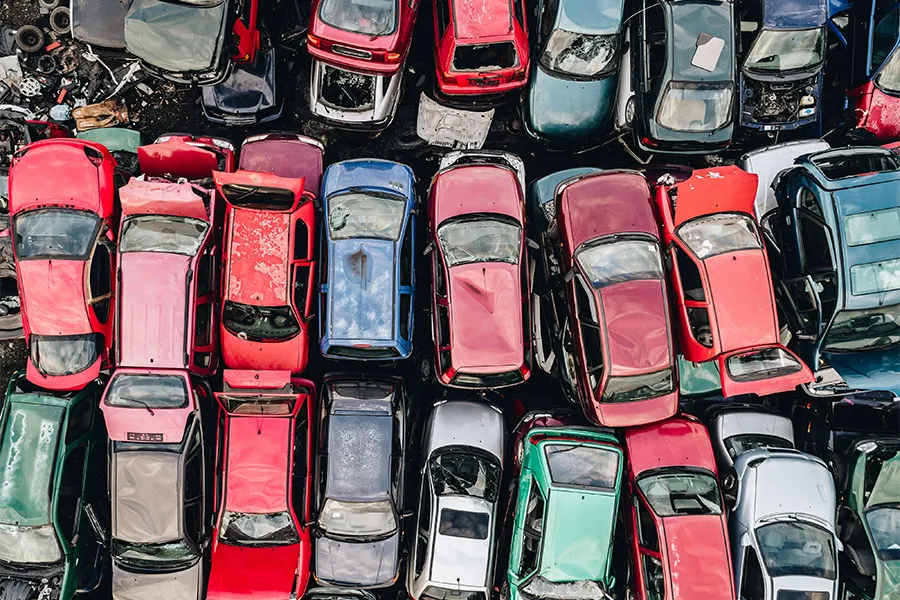
The electrification of the automotive industry and its move towards greater sustainability will also affect the recycling sector. In its proposal to adapt the rules on end-of-life vehicles, the European Commission is also explicitly calling for a change to the approach taken by our sector to date. Olivier François, president of EuRIC and Market Development Officer at Galloo, explains how these developments are viewed.
Mr François first wants to emphasise that there was already fruitful cooperation between the legislative bodies and the industry. “Both sides have done a huge amount of work to identify the changes needed to close the vehicle recycling loop more effectively.”

Plastics: 6 kg recycled in a closed loop
When the final texts were being revised, a number of points of concern remained unresolved for Mr François. “A recycled content requirement for plastics is very important in the long term. Our industry has been recycling plastics from vehicles for thirty years. We have considerable expertise in this area. In fact, what is lacking is demand. There have already been pioneers, such as Renault, which has been using recycled polypropylene in its new vehicles for years. But until now, we have been too dependent on the price of oil. We resolved the quality issues years ago.” However, Europe’s additional requirement to close the recycling loop for a quarter of this 25% recycled content looks set to be a challenge. “That means around 6 kg of plastics in new vehicles will have to come from plastics first recovered from end-of-life vehicles and then recycled. Our industry can rise to this challenge, provided we continue to build on our expertise
in this area.”
Making better use of steel
No specific targets have yet been set for steel, aluminium, magnesium or rare earths. However, car manufacturers are being asked to state the quantities of these materials present in each vehicle. “This change should help boost steel recycling and the use of recycled steel in vehicles. Given that steel makes up 75% of a vehicle, taking action on this material seems an excellent starting point for progress towards decarbonisation. The Americans have already shown that it is possible. In the United States, steel production is already based on around 70% recycled metals. In Europe, we are still stuck at 50%. Our steel mills also have a role to play.”
Involving the recycling industry in EPR
At the EuRIC conference, the most controversial topic was undoubtedly the additional dismantling requirements. “At present, the recycling sector bears 88% of the costs of treating end-of-life vehicles. Our industry has managed to meet the targets on time: recycling 85% and recovering 95% of the vehicle. We owe these results in part to our investment in dismantling and post-shredder technology. It is an achievement we can be proud of. Today, we are concerned to see control over the organisation and implementation of end-of-life vehicle treatment increasingly handed to manufacturers. This is precisely because it means taking on extended producer responsibility on an individual rather than collective basis. In Belgium, however, we are showing that the collective approach is viable through the organisation Febelauto, which also includes representatives of the recycling industry. A collective approach would support future investment by increasing confidence.”
Effective inspections
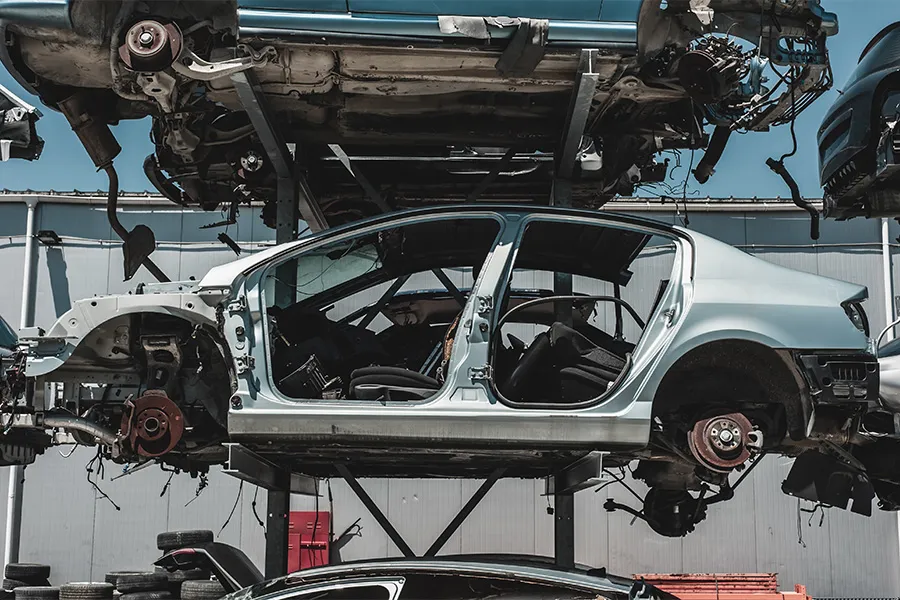
The final point Mr François wants to address concerns inspections to verify that vehicles are genuinely end-of-life, in order to tackle illegal exports. “We are pleased that the Commission has added this to the regulation. However, if 5 million cars disappear from the radar, it is mainly because public authorities are not doing their job properly. All the rules needed to prevent this fraud are already in place. Inspections do take place. But in practice, they are systematically carried out at legal facilities, which do at least everything possible to ensure that transactions comply with the rules. Will the new regulation encourage public authorities to identify illicit organisations? Because that is precisely where traceability often breaks down.”
Question about this story? Ask your question
Keep following this
Get an email when a new story is published. No account needed.
- ThemeRecycling metals and vehicles
- SubjectWaste streams