The challenges of end-of-life tyres
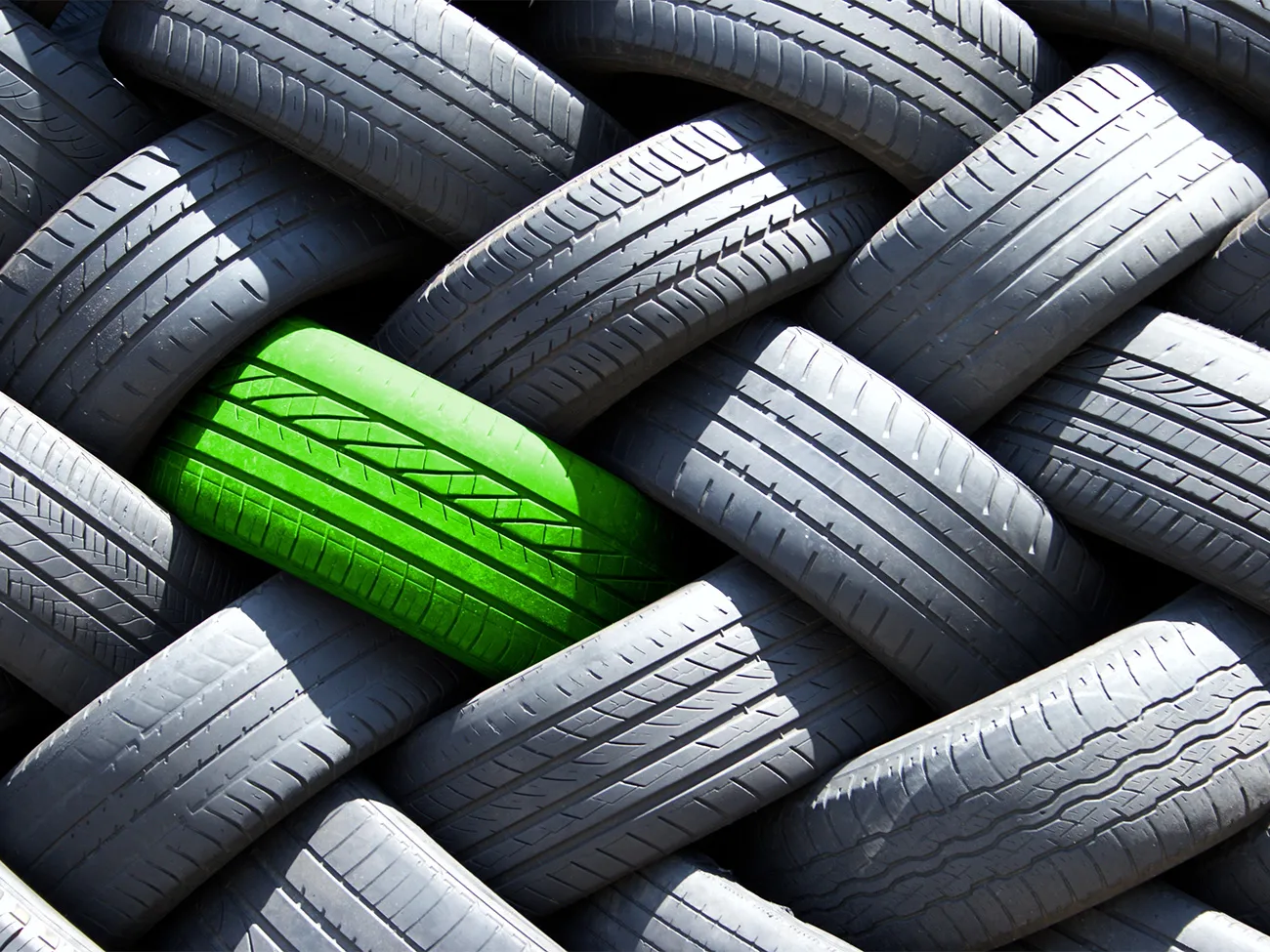
We are still a long way from fully circular tyres. Yet, there is already plenty that can be put to good use. RecyclePro went on the ground to assess the situation and find out what the biggest challenges are for end-of-life tyres. Interview with Pieter De Saedeleir of Alfamet.
The exact date of its founding has been lost in the mists of time, but one thing is certain: Pieter De Saedeleir is the fifth generation to work at Alfamet. The family business, based in Dendermonde since 1985, has had circularity in its DNA from the outset. First as a textile waste collector, later as a scrap metal dealer, and now also as a tyre recycler. “We made the switch around the turn of the millennium. Faced with fierce competition and falling scrap volumes, local operators have only two options. Either grow substantially to survive, or find a complementary waste stream.” Alfamet chose the latter. “Tyre recycling is a niche market in Belgium. Tyres also add up to a substantial tonnage, while the storage volume after processing is fairly limited.
Size reduction to suit the customer
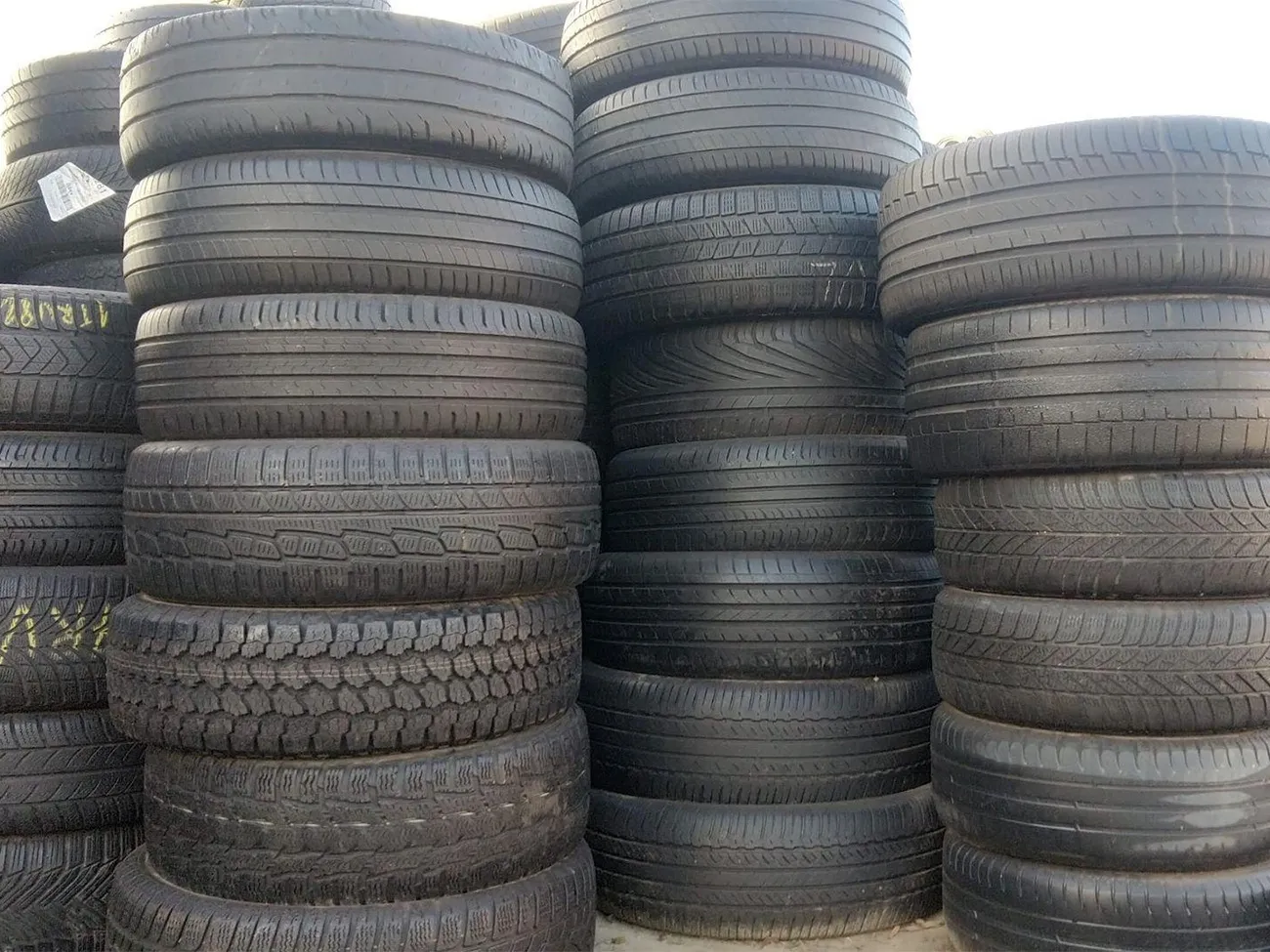
Used tyres come to Alfamet and its 22 employees mainly via tyre depots. De Saedeleir explains how they work: “We start by sorting the tyres for reuse or recycling. We send those destined for the recycling market directly to other processors, or reduce them to size according to the customer’s requirements by shredding or cutting them. The final processing required to prepare tyres for reuse is largely carried out abroad. Most of what we collect and process is therefore exported. There, it goes on to be turned into powders and granules for rubber tiles, shock absorption on athletics tracks, rubber wheels and so on. Alfamet’s central location in Flanders’ economic heartland, combined with easy access to the port of Antwerp, is a major advantage. But it is above all the focus on service that sets the company apart. “We are not afraid to take on a challenge to help our customers and suppliers. We also focus as much as possible on reuse and recycling. That is good for the environment, and it also means we pay less in environmental taxes,” says De Saedeleir.
Volumes fell because of COVID-19
One of the main challenges last year was the coronavirus pandemic. De Saedeleir: “Fewer kilometres on the road also mean less tyre wear. We saw our volumes fall markedly, by around 15%. We hope to return to pre-crisis levels in early 2022. But once we have recovered that 15%, the limited sales opportunities for recycled rubber that exist today will once again play a bigger part.
More initiatives needed
A second challenge, according to De Saedeleir, is Recytyre’s monopoly position in the market. “As the management body for end-of-life tyres, it collects the environmental contribution to fund the separate collection of tyres. However, the organisation itself marketed used tyres for years, putting tyre recyclers such as us at an unfair competitive disadvantage. This led to a serious breach of trust. What is more, from 2022 it wants an even stricter system that would prevent us from selling used tyres ourselves, and instead limit us to receiving a fixed processing fee according to its requirements and stipulations. That would spell the end of the free market, when what we need is more initiatives.
Keep raw materials in Europe
Today, a lot is exported to Asia. “From an environmental point of view, it is unacceptable to ship waste/raw materials halfway around the world and then see finished products sometimes shipped back to Europe by sea. Reducing our reliance on Asian processing and keeping raw materials in Europe can only bring benefits in every area imaginable, including employment, the environment and the economy. In my view, a healthy investment climate would create far more added value for the end-of-life tyre sector than, for example, subsidies or the Green.er fund, which is largely managed by people working at Recytyre.”
Question about this story? Ask your question
Keep following this
Get an email when a new story is published. No account needed.
- SubjectWaste streams